Japan condemns Russian statue depicting Soviet soldier destroying imperial crest
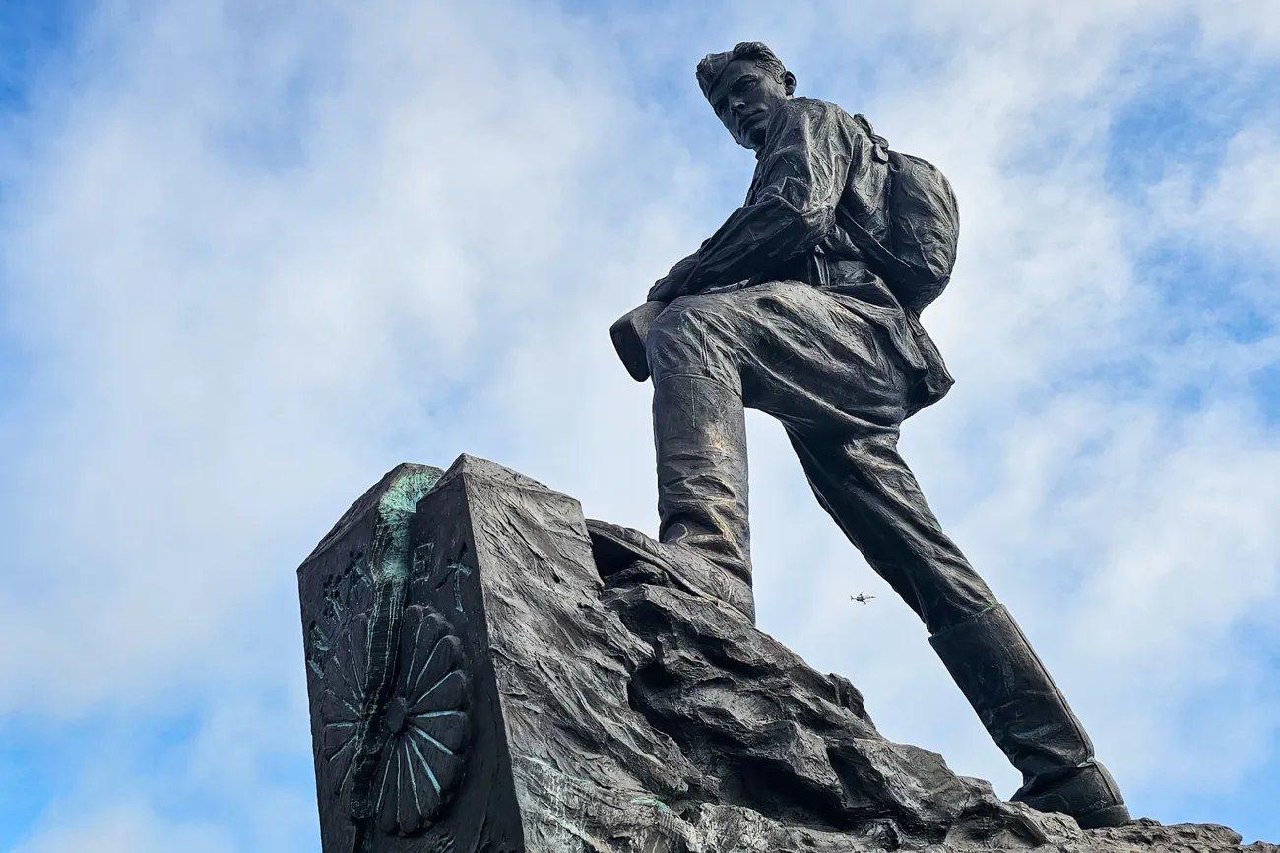
What happened
Russia unveiled a statue in Khabarovsk showing a Soviet soldier destroying a stone marker bearing Japan's imperial chrysanthemum crest. The monument was installed ahead of Russia's renamed holiday, 'The Day of Victory over Militarist Japan.' Japanese Prime Minister Takaichi responded by calling the statue 'completely unacceptable' and demanded its removal. The unveiling follows Putin's recent visit to Russian-held islands off Hokkaido that Japan also claims, marking an escalation in symbolic friction between the two countries.
Context and assessment
The statue installation reflects deepening bilateral tensions rooted in overlapping territorial claims and Japan's alignment with Western sanctions. The Southern Kuril Islands, which Putin visited last month, remain disputed between Russia and Japan decades after World War II. Japan imposed economic sanctions on Russia following the 2022 Ukraine invasion, straining relations further. The timing and symbolic nature of the monument—coinciding with a rebranded Russian victory holiday—suggest a deliberate effort by Moscow to assert historical claims and test Japan's response capacity during a period of broader geopolitical realignment in the Indo-Pacific.
Sources and confidence
The report originates from Telegram channel @ClashReport. With a single source and no cross-confirmation noted, confidence remains moderate. The claim is consistent with Russia's pattern of commemorative escalation and Putin's recent diplomatic messaging in the Far East. Higher confidence would require corroboration from Japanese government statements, Russian official sources, or visual confirmation of the monument.
Location
Khabarovsk is located in Russia's Far Eastern Krai, approximately 800 kilometers northeast of Vladivostok on the Amur River. The settlement sits roughly 1,400 kilometers northwest of the disputed Kuril Islands. Khabarovsk serves as a major Russian administrative and cultural center in the region, making public monuments there politically significant for domestic and regional messaging.
▶ View this event on the live map
Intel Mapper aggregates open-source reports from monitored Telegram and X channels, geolocates them, cross-checks duplicates across sources and assigns a confidence score. Entries are updated as new confirmations arrive. Read how we verify events.