USS Abraham Lincoln carrier strike group completes 286-day deployment, returns to San Diego
What happened
The USS Abraham Lincoln carrier strike group concluded a 286-day deployment, having spent over 200 days operating in the Iran combat zone. The strike group made its first port call in Pattaya, Thailand, on September 7, 2026, where approximately 5,000 sailors went ashore for a five-day crew rest. According to reports, the sailors spent an estimated $3 million during their time in port. The carrier is now proceeding to its homeport in San Diego, California, completing one of the longest carrier deployments in recent years.
Context and assessment
Extended carrier deployments to the Middle East have become routine for the U.S. Navy as it maintains persistent presence in the Persian Gulf and surrounding waters amid regional tensions involving Iran. Over 200 days of operational activity in the Iran combat zone reflects the intensity of current U.S. naval posture in the region, including air operations, escort missions, and counter-drone operations. Extended sea rotations of this length strain crews and require maintenance windows; the Thailand stopover provided essential rest before the final transit home. The deployment length underscores continued American commitment to regional security architecture despite force management challenges.
Sources and confidence
Reported by Telegram channel @ClashReport. Single source reporting limits independent verification; confidence score of 7.0 reflects the routine nature of carrier movements and typical reporting on U.S. naval operations. Confirmation from official U.S. Navy sources or multiple independent channels would strengthen confidence. Additional details on specific operational activities during the deployment could be cross-checked against naval announcements.
Location
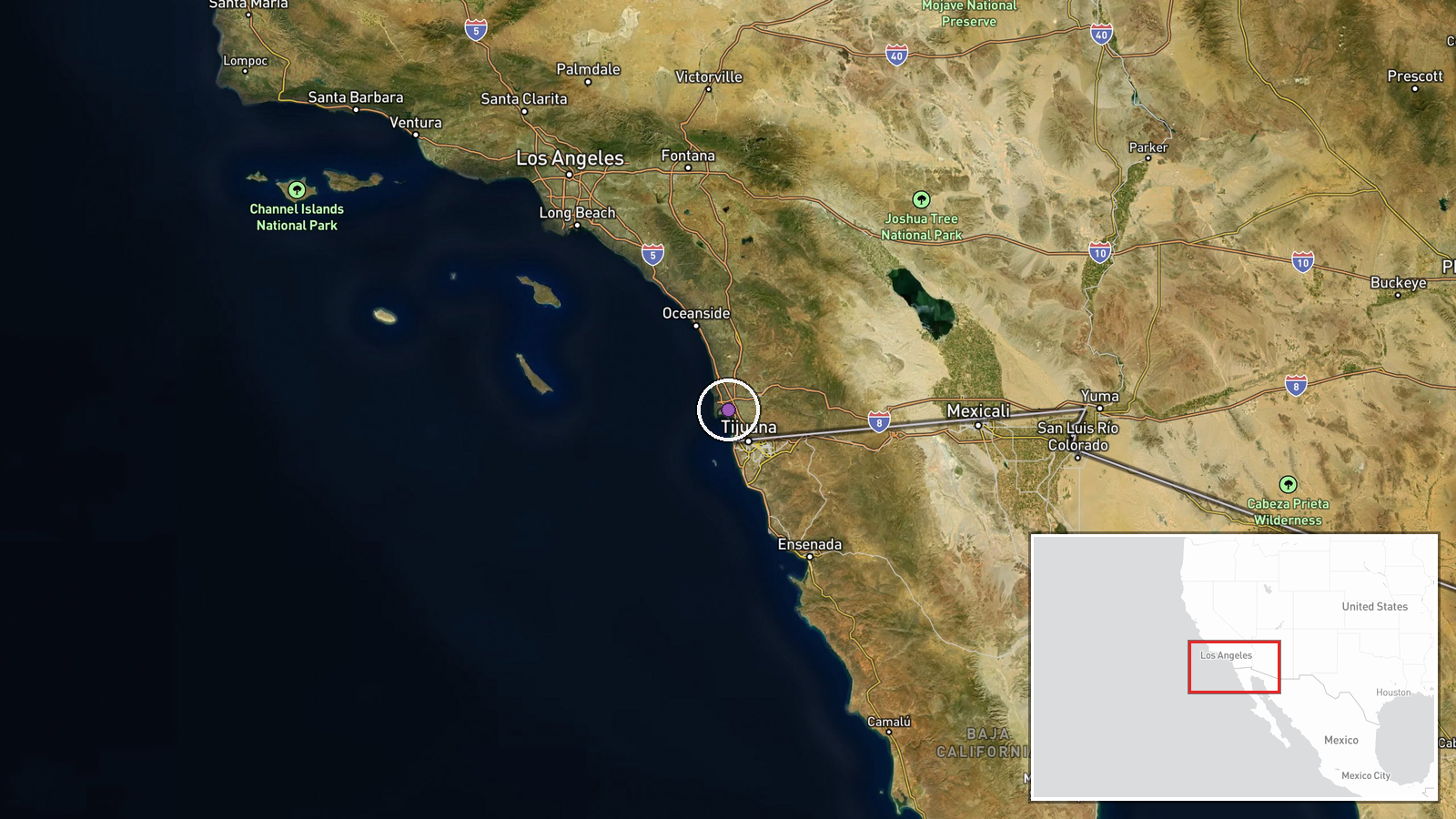
San Diego, California, United States (homeport destination). The carrier completed operations in the Iran combat zone (Persian Gulf region and surrounding waters) before transiting through Thailand for crew rest in Pattaya. San Diego is the primary naval base for U.S. Pacific Fleet carrier operations on the west coast.
▶ View this event on the live map
Intel Mapper aggregates open-source reports from monitored Telegram and X channels, geolocates them, cross-checks duplicates across sources and assigns a confidence score. Entries are updated as new confirmations arrive. Read how we verify events.