Ukrainian official reports Shahed drone approached Zelensky's aircraft over Moldova
What happened
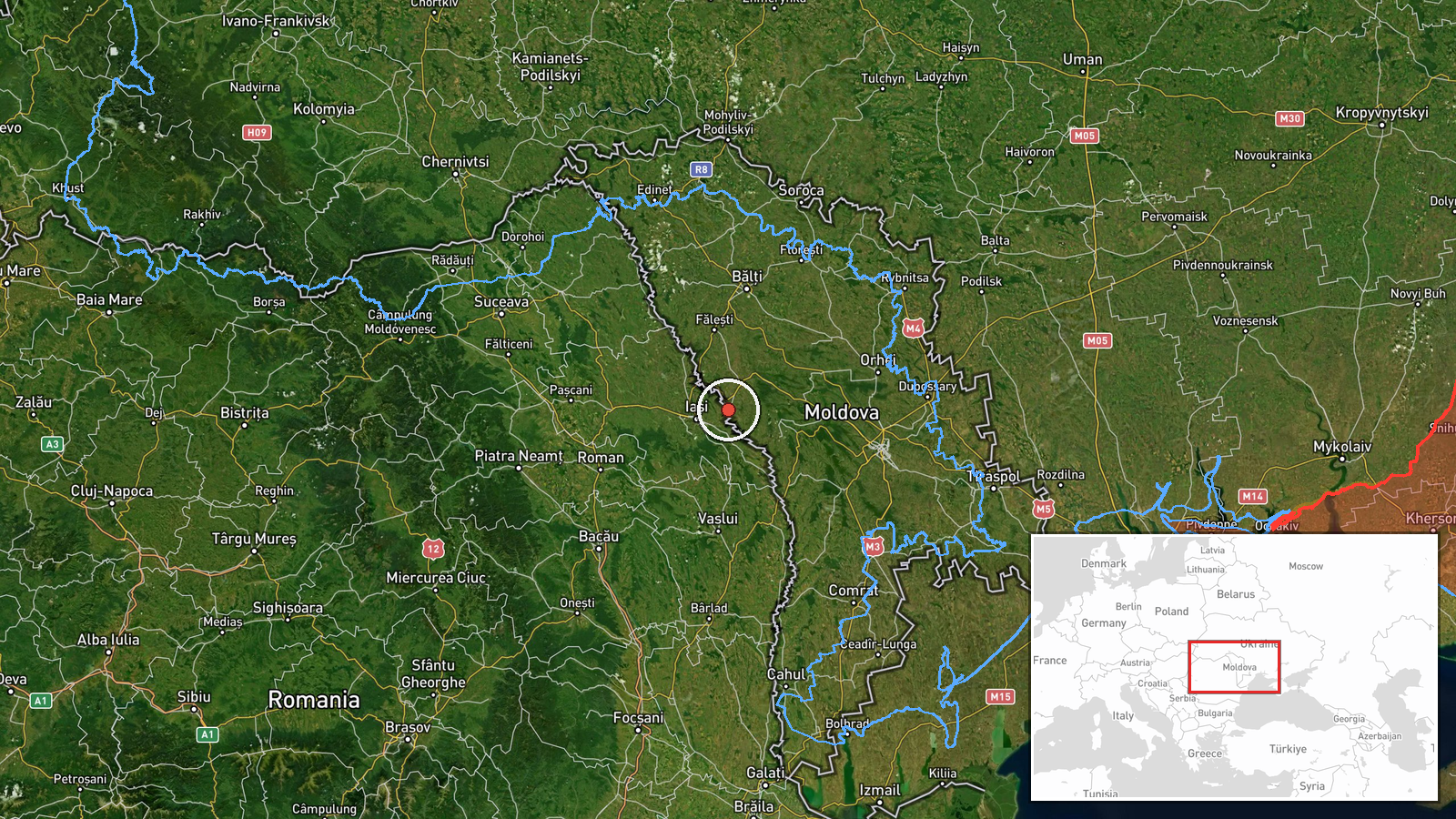
A Ukrainian official reportedly stated that a jet-powered Shahed-type attack drone came in close proximity to President Volodymyr Zelensky's aircraft while operating in Moldovan airspace near Ungheni on 10 September. The report indicates no direct strike occurred. The incident prompted closure of the airspace in the area and initiated an investigation. The account was made public via Telegram and attributed to Ukrainian sources monitoring the incident.
Context and assessment
The incident reflects the sustained threat posed by Russian drone operations across the border into Moldova and near critical Ukrainian leadership assets. Shahed drones, supplied by Iran to Russia, have become a routine feature of Russian strikes deep into Ukrainian territory and adjacent airspace. Moldova's airspace, though officially neutral, has repeatedly become a vector for Russian drone transits toward Ukrainian targets. An approach to presidential aircraft signals either an attempt on a high-value target or an incidental crossing during broader drone strikes. Such incidents underscore Russian willingness to project drone operations into neighboring neutral territory and the operational risk accepted by Ukrainian leadership during travel.
Sources and confidence
Single-source report via Telegram channel @ClashReport citing a Ukrainian official statement. No cross-confirmation from independent observers, NATO sources, or Moldovan authorities is noted. Confidence score of 7.0 reflects official Ukrainian attribution but absence of corroborating imagery, radar data, or third-party verification. Direct Moldovan or NATO confirmation would raise confidence; retraction or contradictory detail would lower it.
Location
Ungheni, Moldova, a settlement on the Prut River forming the border between Moldova and Romania. Located approximately 120 km northwest of Chişinău. The proximity to the Ukraine-Moldova border and established drone transit corridors makes it consistent with Shahed overflight patterns observed in recent months.
▶ View this event on the live map
Intel Mapper aggregates open-source reports from monitored Telegram and X channels, geolocates them, cross-checks duplicates across sources and assigns a confidence score. Entries are updated as new confirmations arrive. Read how we verify events.