US confirms Saudi pipeline pump stations damaged in September 10 drone attack
What happened
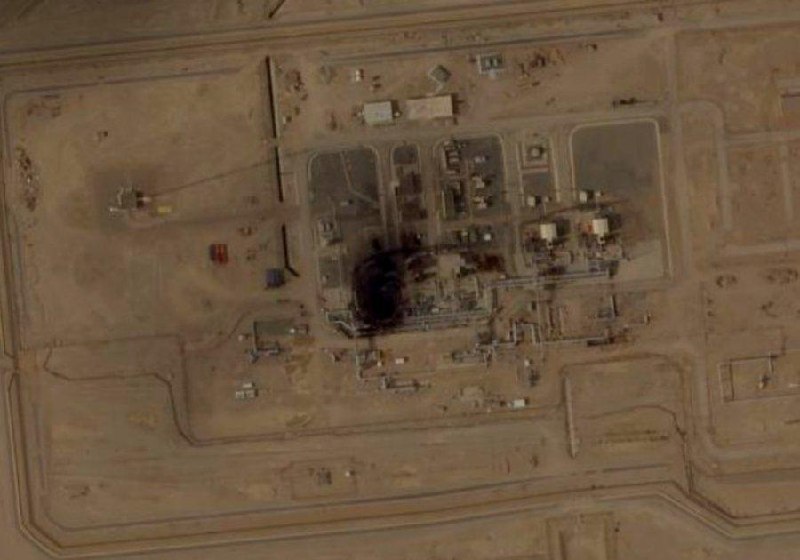
The US Energy Secretary reported that satellite imagery confirms damage to two Saudi Arabian oil pipeline pump stations struck in a September 10 drone attack. One station near Medina showed a 12-hectare burn scar with oil spilling into surrounding desert; Pump Station 9 suffered damage to its main crude pump trains. The pipeline, which typically carries four to five million barrels per day as a key Hormuz bypass route, remains offline. Repair timelines reportedly range from several days for partial restoration to six to eight weeks for full capacity recovery.
Context and assessment
The damaged pipeline represents critical Saudi export infrastructure that bypasses the Strait of Hormuz, a vulnerability to regional energy supplies. Pump Station 9 was previously targeted in 2019, suggesting recurring targeting patterns against this facility. The attack occurs amid elevated tensions, with US military alert postures raised following reported strikes on Gulf energy infrastructure. Concurrent statements from Trump administration officials reflect divided messaging: discussions of Iranian willingness to negotiate contrast with Congressional skepticism about Iranian trustworthiness and repeated claims about nuclear advancement timelines. The timing and targeting suggest attempts to pressure regional energy markets and potentially influence ongoing diplomatic positioning.
Sources and confidence
Single source via Telegram (@ClashReport) reporting US Energy Secretary statements. Confidence score of 7.0 reflects official US government attribution via satellite evidence, though the report originates from a secondary channel rather than direct official statement. Cross-confirmation from other US government sources would raise confidence; independent verification of repair timelines or attribution details would strengthen assessment.
Location
Two separate locations in Saudi Arabia: one pump station near Medina in western Saudi Arabia, and Pump Station 9 at an unspecified location along the East-West Pipeline (Petroline). The pipeline runs approximately 2,500 kilometers across the Arabian Peninsula to the Red Sea, serving as Saudi Arabia's primary non-Hormuz export route.
Related events nearby
- Trump states Iran wants to make a deal quickly and that the U.S. is open to engagement discussions on nuclear/2026-09-14 15:39 UTC · Statement · Washington, D.C., USA
- US military elevated alert posture following reported Iranian and allied strikes on Gulf energy infrastructure2026-09-14 06:56 UTC · Statement · Washington, D.C., USA
- US House Speaker Mike Johnson states Iran cannot be trusted in dialogue, citing Iran's history of breaking pas2026-09-14 00:30 UTC · Statement · Washington D.C., USA
- U.S. House Speaker Mike Johnson reiterates that Iran is the largest state sponsor of terrorism and was weeks a2026-09-13 18:48 UTC · Statement · Washington D.C., USA
▶ View this event on the live map
Intel Mapper aggregates open-source reports from monitored Telegram and X channels, geolocates them, cross-checks duplicates across sources and assigns a confidence score. Entries are updated as new confirmations arrive. Read how we verify events.