Iran reportedly shoots down two U.S. MQ-1 drones in recent days
What happened
Iranian forces have reportedly shot down at least two U.S. MQ-1 unmanned aircraft within recent days, according to U.S. officials who spoke anonymously to CBS News. The MQ-1 Predator is a surveillance and armed reconnaissance platform operated by the U.S. military. The specific locations where the shootdowns occurred and the exact variants of the drones remain unclear from available reporting. The incident represents a direct engagement between Iranian air defenses and American unmanned systems.
Context and assessment
The MQ-1 Predator typically conducts surveillance and reconnaissance missions over hostile territory, often in support of counterterrorism operations or intelligence gathering. Iran has previously claimed to have engaged U.S. drones, though such claims require independent verification. The shootdown of multiple drones in a short timeframe may suggest either heightened Iranian air defense readiness, increased U.S. reconnaissance flights in Iranian airspace or nearby regions, or a combination of both. Such incidents are sensitive given U.S.-Iran tensions and the operational risks associated with unmanned aircraft operations near Iranian territory.
Sources and confidence
Single source: CBS News citing anonymous U.S. officials, reported via Telegram channel ClashReport. No cross-confirmation from independent channels or Iranian official statements noted. Confidence remains moderate due to single-source attribution and lack of independent verification. Additional confirmation from U.S. Department of Defense statements or satellite imagery would strengthen confidence.
Location
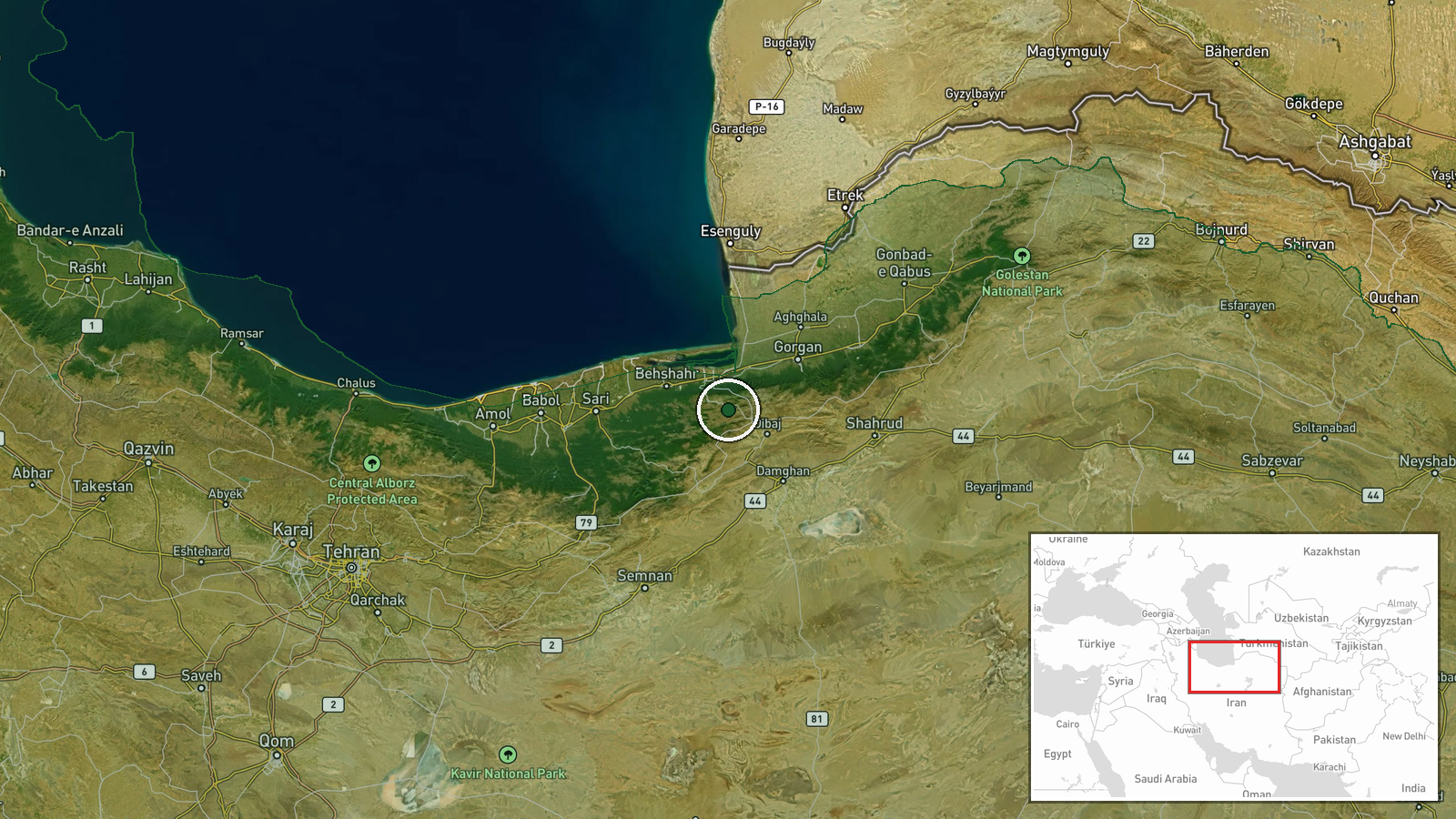
General Iranian airspace or territory; precise geographic precision unavailable. The reported location spans Iranian territory broadly (approximately central Iran based on coordinates provided). Without specific settlement or facility identifiers, the exact engagement location cannot be pinpointed. Nearby features depend on the actual location, which remains unclear from current reporting.
▶ View this event on the live map
Intel Mapper aggregates open-source reports from monitored Telegram and X channels, geolocates them, cross-checks duplicates across sources and assigns a confidence score. Entries are updated as new confirmations arrive. Read how we verify events.