Iran executes man accused of passing missile intelligence to Mossad
What happened
Iranian authorities announced on September 19 the execution of Hossein Pedaran, whom they convicted of espionage. According to the announcement, Pedaran provided Mossad with classified information about military and missile facilities in Isfahan. Iranian officials stated he possessed encrypted communication devices and recording equipment at his residence, and that he reestablished contact with Mossad via Telegram following the outbreak of a 12-day conflict before his arrest.
Context and assessment
Isfahan hosts significant Iranian military-industrial infrastructure, including aerospace and missile production facilities, making it a persistently sensitive security target. The announced execution reflects ongoing Iranian concerns about intelligence penetration, particularly regarding advanced weapons capabilities. The timing—during or immediately after described hostilities—suggests Iran views espionage linked to that period as especially grave. Such announcements typically serve dual purposes: signaling internal security vigilance to the domestic audience and warning against cooperation with foreign intelligence services. The reference to Telegram reestablishment of contact underscores how communication platforms have become vectors for intelligence recruitment despite encryption.
Sources and confidence
Reported by Tasnim, Iran's semi-official news agency, via Telegram channel @ClashReport on September 19. Single-source reporting limits cross-confirmation; no independent verification available. Confidence reflects the announcement's official Iranian origin but lack of corroboration from other intelligence or news agencies.
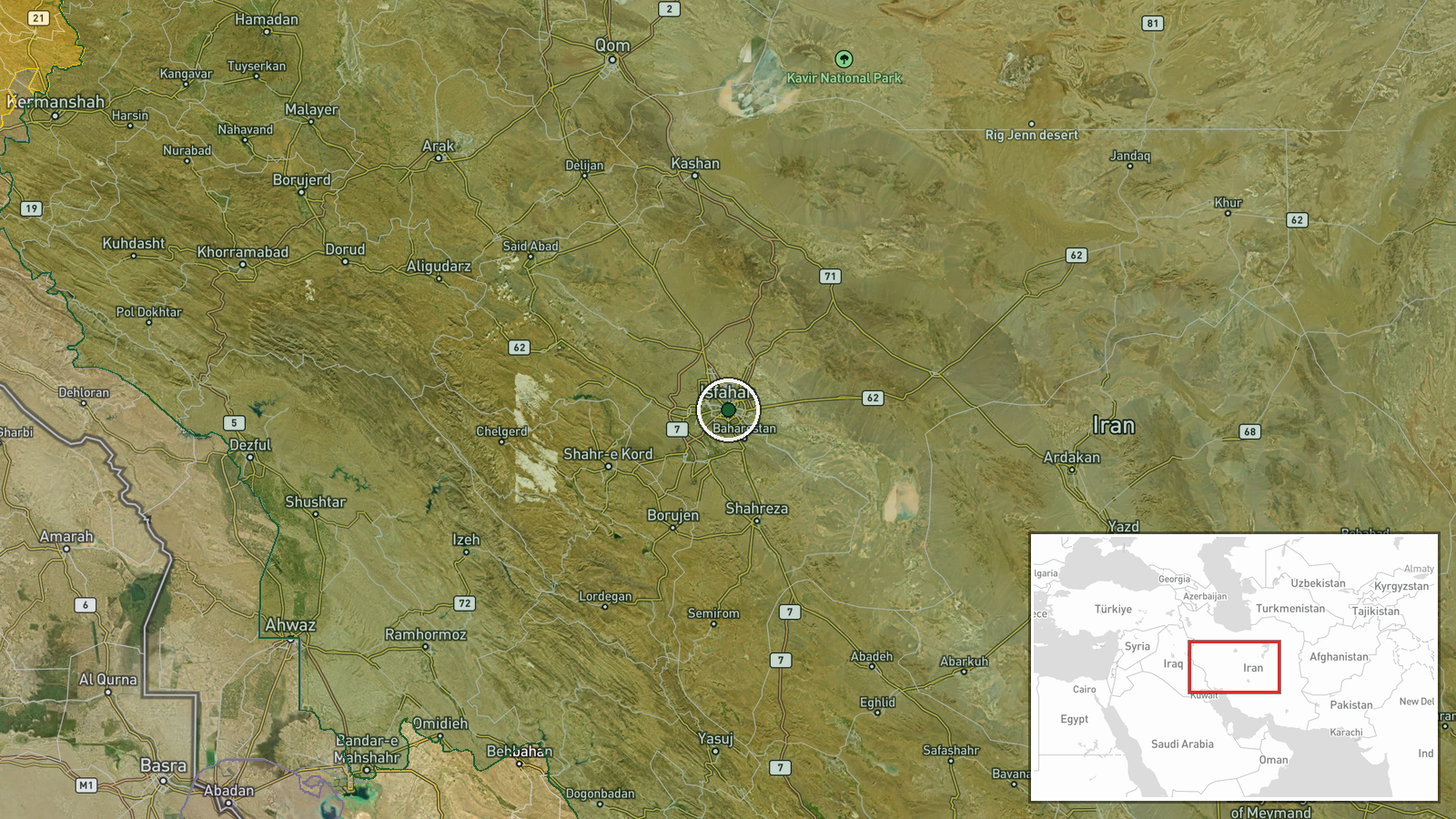
Location
Isfahan, a major city in central Iran approximately 340 kilometers south of Tehran. The city is Iran's third-largest metropolitan area and hosts multiple military-industrial complexes involved in aerospace and missile manufacturing. Geographic precision indicates the city proper rather than a specific facility.
▶ View this event on the live map
Intel Mapper aggregates open-source reports from monitored Telegram and X channels, geolocates them, cross-checks duplicates across sources and assigns a confidence score. Entries are updated as new confirmations arrive. Read how we verify events.