Russia builds underground Geran drone factory at Alabuga zone in Tatarstan
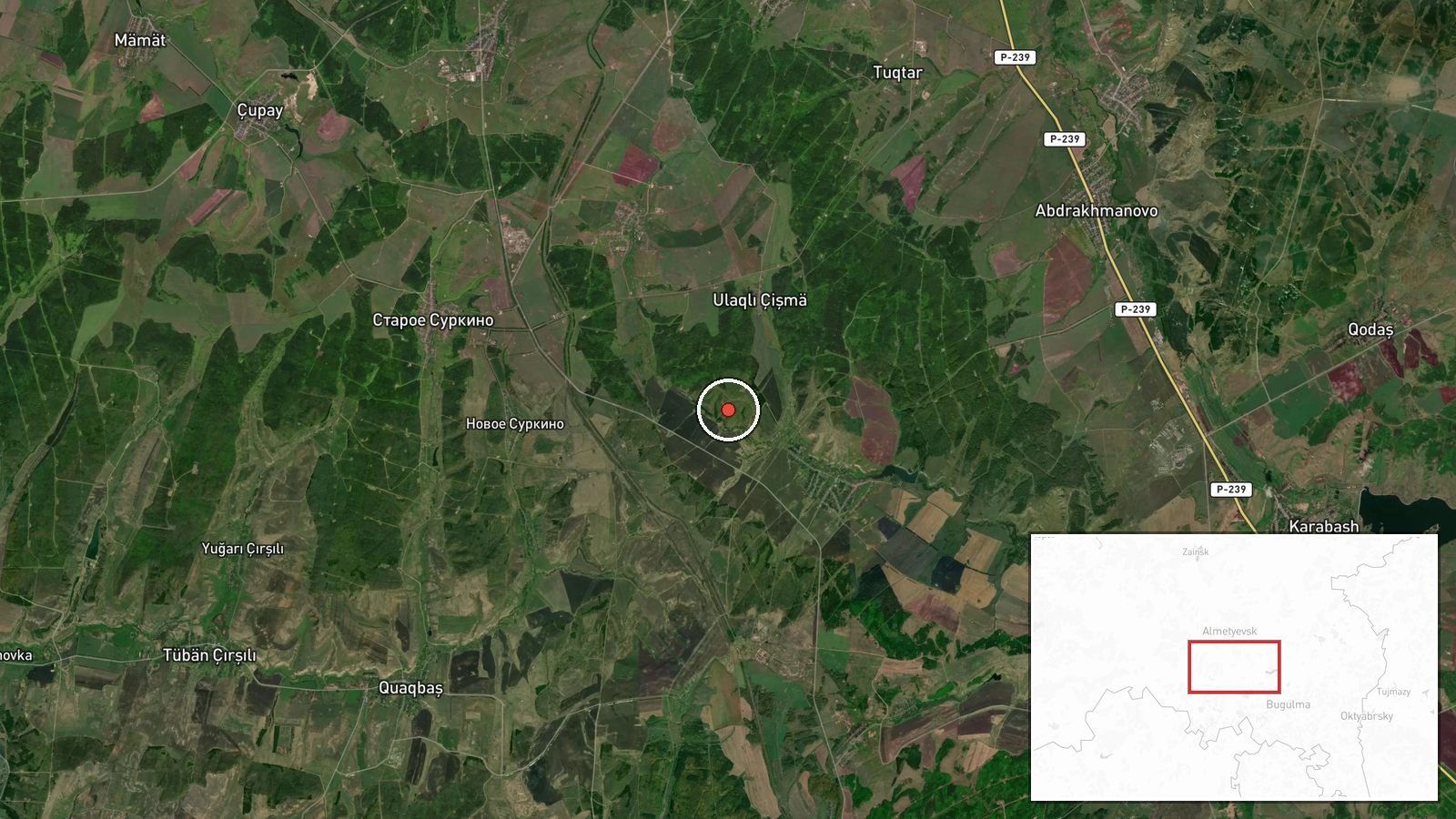
What happened
Russia is reportedly constructing approximately 42,000 square meters of underground production facilities at the Alabuga special economic zone in Tatarstan for manufacturing Geran kamikaze drones, which are Shahed-type loitering munitions. According to the report, the site has also added dozens of anti-drone net towers for air defense, suggesting measures to protect the facility from potential strikes.
Context and assessment
Alabuga, located in Tatarstan near the Volga region, is a major Russian special economic zone hosting advanced industrial production. The expansion of drone manufacturing capacity there reflects Russia's sustained reliance on kamikaze drones as a core component of its strike capability against Ukrainian targets, particularly infrastructure and civilian areas. Underground construction suggests Russia anticipates the facility may become a target for Ukrainian long-range strikes or Western-supplied weapons. The addition of air defense measures reinforces this assessment. Such domestic drone production sustains Russian operations without requiring imports or depleting existing stockpiles, indicating a long-term operational posture.
Sources and confidence
Reported by Telegram channel @ClashReport as a single source. Without corroborating open-source imagery or secondary confirmation, confidence remains moderate. Cross-confirmation from satellite intelligence providers or additional independent channels would strengthen the assessment. The specific scale of construction (42,000 m²) and detail about air defenses suggests informed sourcing but requires verification.
Location
Alabuga Special Economic Zone is situated in Tatarstan, Russian Federation, approximately 800 kilometers east of Moscow near the Volga River. The zone is an established industrial complex designated for advanced manufacturing. Precision to the facility level is based on the named location; exact coordinates reflect the general zone area rather than a specific building.
▶ View this event on the live map
Intel Mapper aggregates open-source reports from monitored Telegram and X channels, geolocates them, cross-checks duplicates across sources and assigns a confidence score. Entries are updated as new confirmations arrive. Read how we verify events.