Houthis launch coordinated multi-platform attack on Riyadh and Saudi Aramco facilities
What happened
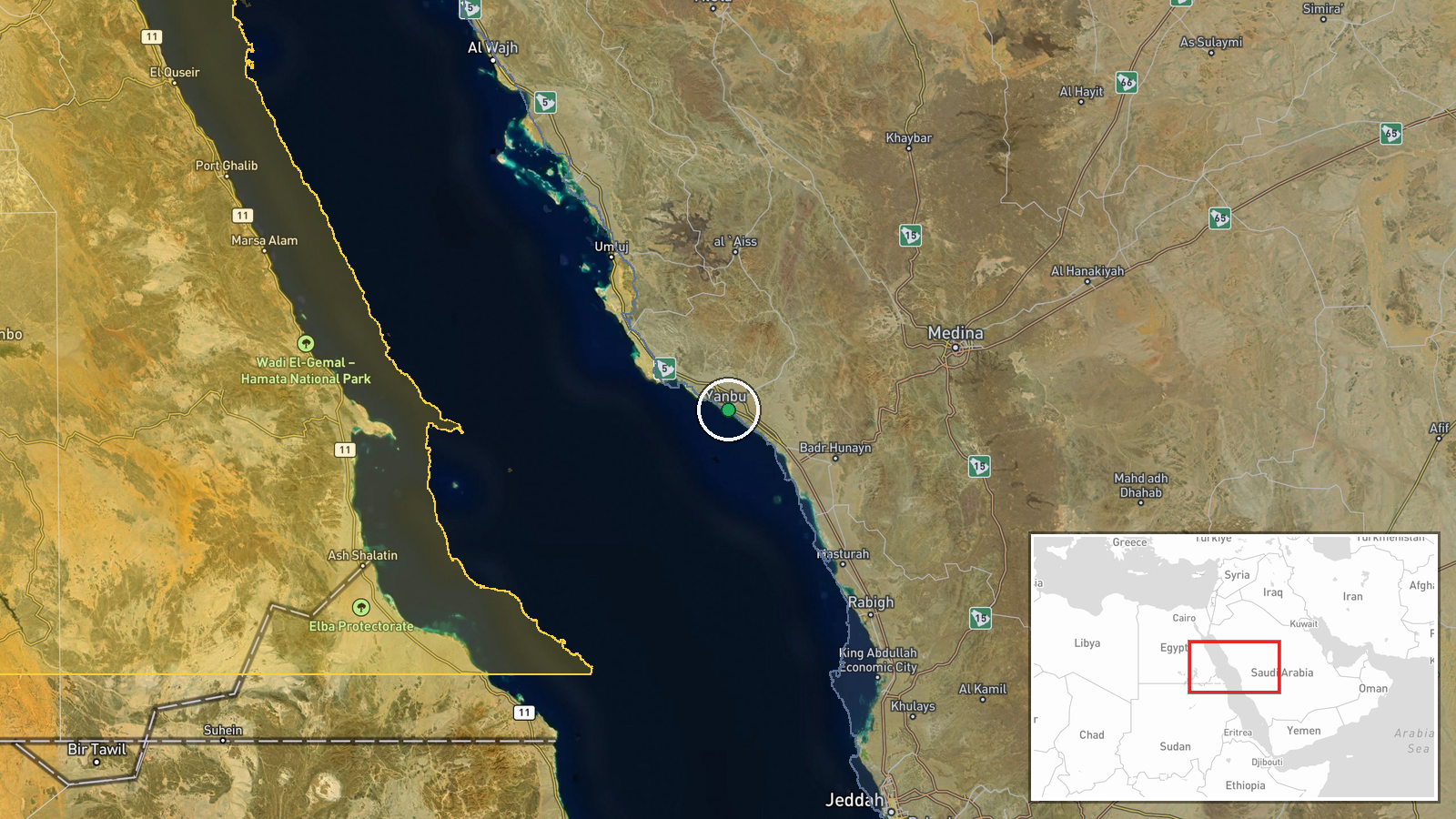
Yemen's Houthi forces claimed responsibility for a large-scale attack on Saudi Arabia on September 19, targeting what they described as "sensitive sites" in the capital Riyadh and Saudi Aramco energy facilities in the coastal city of Yanbu. The assault employed ballistic missiles, cruise missiles, and unmanned aerial vehicles. The group stated that strikes produced large fires at targeted locations, though specific damage assessments were not detailed in initial reports.
Context and assessment
The attack represents an escalation in the pattern of Houthi strikes against Saudi Arabian infrastructure witnessed throughout September 2026. Earlier the same day, Houthi forces conducted separate strikes on Riyadh and a confirmed kamikaze drone attack against fuel storage infrastructure at King Fahd International Airport—the kingdom's primary aviation hub. Targeting Saudi Aramco facilities in Yanbu indicates focus on energy sector assets critical to both Saudi Arabia's economy and regional crude export capacity. The coordinated use of multiple missile and drone platforms suggests sustained operational capability and strategic intent to strike high-value targets across distributed geographic points.
Sources and confidence
Reported by Telegram channel @ClashReport and X account @ConflictTR on September 19. The attack was claimed by Houthi forces themselves via public statements. Confidence score of 7.0 reflects corroboration across two independent sources but relies on actor claims rather than independent verification of impact. Score would increase with satellite imagery, Saudi official damage assessments, or third-party damage confirmation.
Location
Riyadh, the Saudi capital, is located at the geographic center of the Arabian Peninsula approximately 400 kilometers inland from the Persian Gulf coast. Yanbu, a major port city on the Red Sea coast roughly 350 kilometers northwest of Riyadh, hosts significant Saudi Aramco petrochemical and oil export infrastructure. Both cities represent high-value strategic and economic targets.
▶ View this event on the live map
Intel Mapper aggregates open-source reports from monitored Telegram and X channels, geolocates them, cross-checks duplicates across sources and assigns a confidence score. Entries are updated as new confirmations arrive. Read how we verify events.