Finland and Sweden conduct first joint NATO fighter interception over Gulf of Finland
What happened
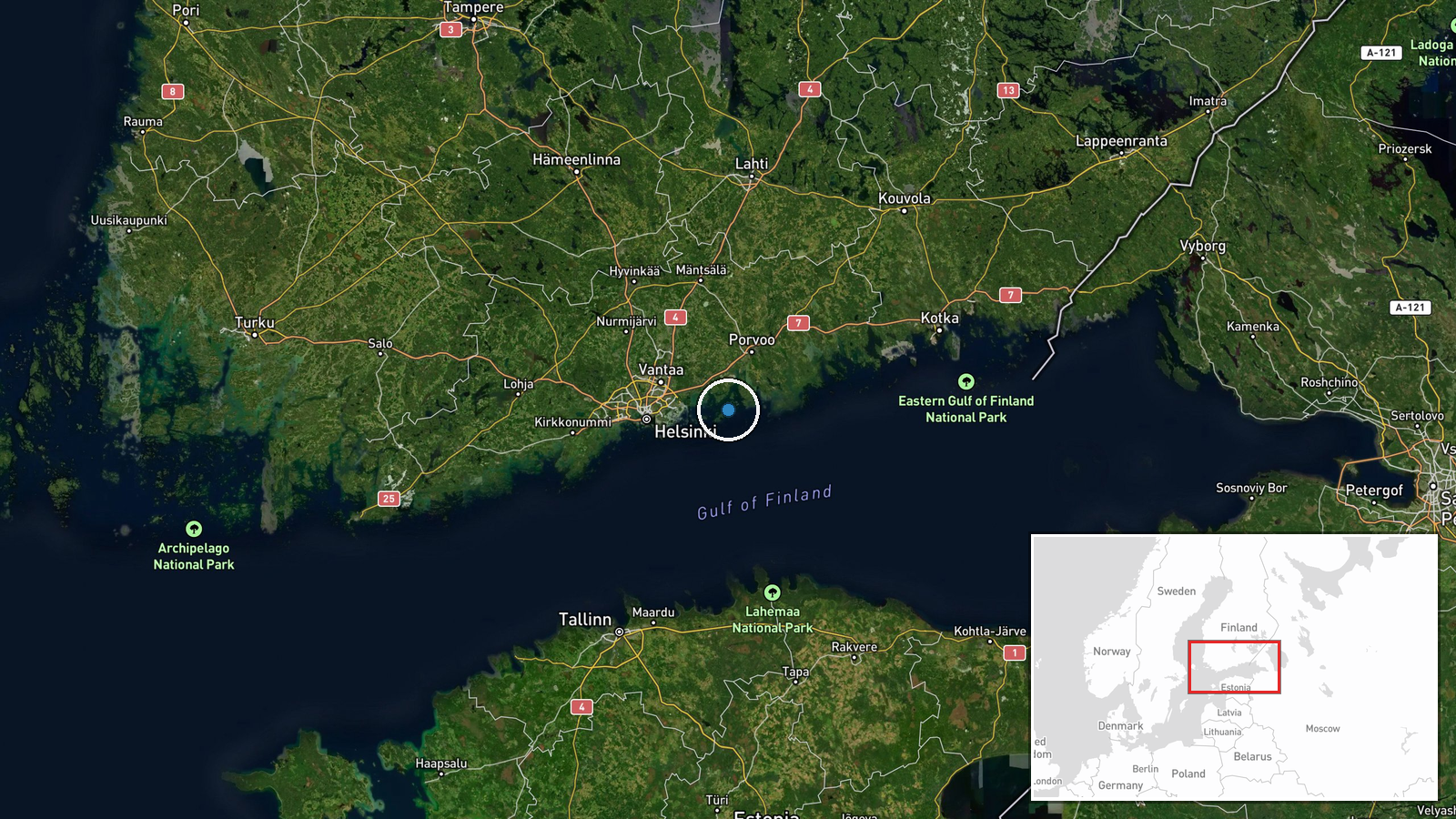
Finnish F/A-18 Hornets and Swedish JAS 39 Gripens conducted a joint interception operation in international airspace over the Gulf of Finland on 25 September, identifying Russian military transport aircraft and warplanes. The operation marked the first coordinated fighter scramble between the two NATO members and was described as part of enhanced defense cooperation between Helsinki and Stockholm.
Context and assessment
The Gulf of Finland, a strategically sensitive waterway separating Finland from Russia's northwest approaches, has become an area of heightened military activity since Finland's NATO accession in April 2023 and Sweden's in April 2024. Both countries have substantially increased air defense posture along their Russian borders. Joint interception operations reflect NATO's integrated air defense protocols and demonstrate the alliance's effort to establish seamless coverage across the Nordic region. Such coordinated responses to Russian military activity in international airspace are consistent with NATO's standard practice of monitoring and tracking Russian aircraft movements near member territories, particularly transport and reconnaissance platforms.
Sources and confidence
Reported by Telegram channel @ClashReport as a single-source account. The operation itself—identification of Russian aircraft in international airspace—is a routine NATO activity, but the claim of a first joint Finnish-Swedish scramble and specific aircraft types present moderate confidence. Cross-confirmation from official NATO or Nordic defense ministry statements would strengthen assessment.
Location
The Gulf of Finland, an arm of the Baltic Sea bounded by Finland to the north and Russia's Leningrad Oblast to the south, stretching approximately 400 kilometers from the Gulf of Riga to the entrance to the Neva River. The region's international airspace is frequently traversed by Russian military aircraft. Coordinates represent the central gulf area.
▶ View this event on the live map
Intel Mapper aggregates open-source reports from monitored Telegram and X channels, geolocates them, cross-checks duplicates across sources and assigns a confidence score. Entries are updated as new confirmations arrive. Read how we verify events.