Russian state media publishes then deletes article threatening Lithuania with nuclear strikes
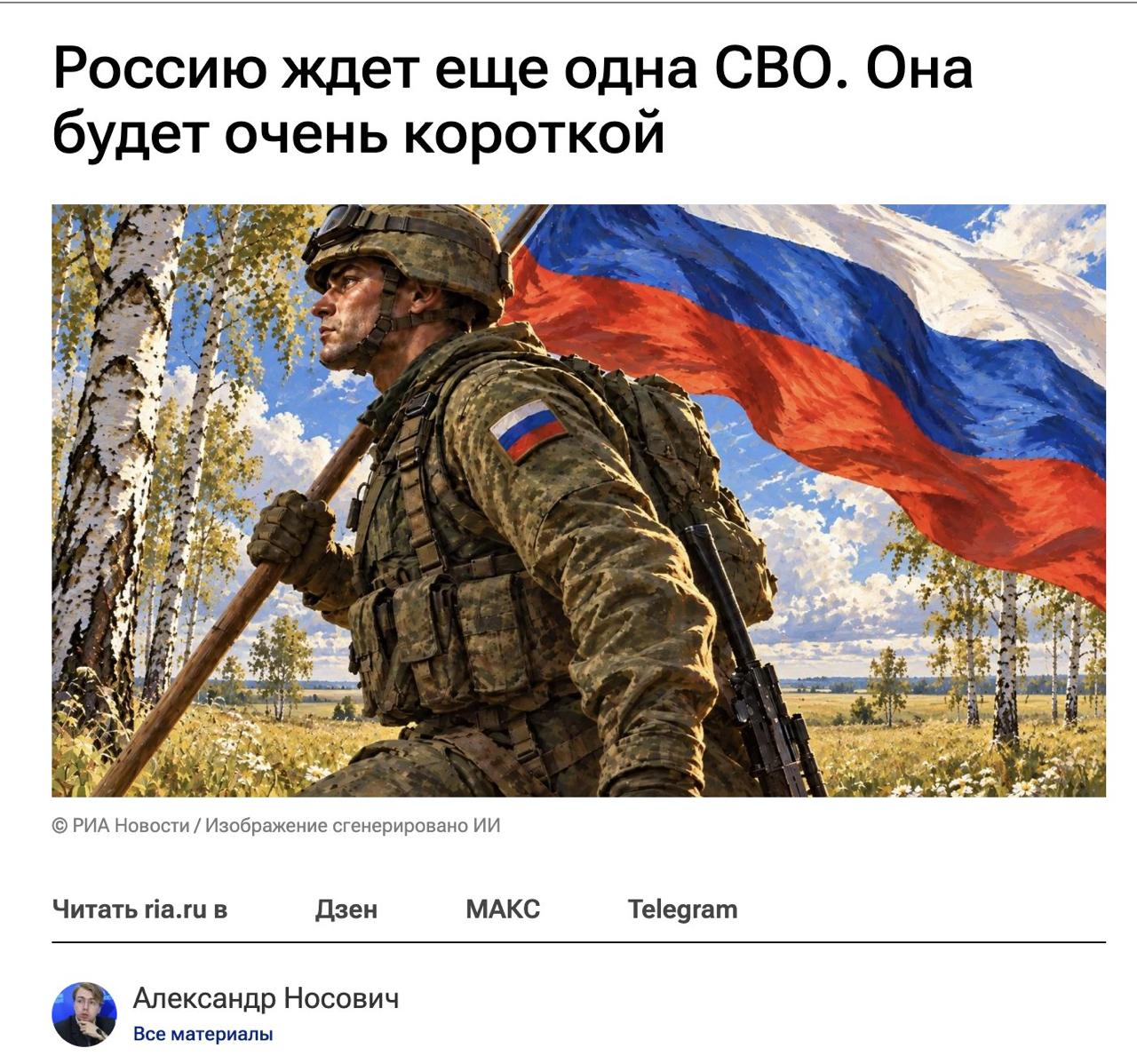
What happened
RIA Novosti, Russia's state news agency, published an article by Alexander Nosovich titled "Russia faces another special military operation. It will be very short" that discussed potential missile attacks on Lithuania, including scenarios involving nuclear warheads. The piece argued that geographic factors would make a Baltic conflict brief if Russia employed such weapons rather than ground forces. RIA Novosti deleted the article several hours after publication and subsequently stated it did not reflect official editorial policy or Russian state policy.
Context and assessment
Lithuania, as a NATO member on Russia's western border, has featured prominently in Russian threat rhetoric since the 2022 invasion of Ukraine. The article's framing of a nuclear option reflects Moscow's pattern of nuclear signaling toward NATO states, particularly smaller Baltic members perceived as vulnerable. The deletion and disavowal suggest either internal disagreement over messaging strategy or an attempt to maintain plausible deniability regarding escalatory rhetoric. This statement arrives one day after Danish Defence Intelligence warned of potential Russian attacks on neighboring NATO countries, indicating a period of elevated military rhetoric in Moscow's communications.
Sources and confidence
Two sources reported the incident via Telegram (@ClashReport) and X (@ConflictTR). The confidence score of 7.0 reflects the credible sourcing and the verifiable fact of the article's publication and deletion by a state media outlet, though the brief existence of the original piece limits direct verification. Confirmation from Russian media monitoring services or NATO official statements would strengthen confidence.
Location
Moscow, Russia. The event originates from RIA Novosti's Moscow headquarters, Russia's capital and primary center of state media operations. The threat referenced Lithuania as the target, approximately 900 kilometers northwest of Moscow across Eastern Europe and the Baltic region.
Related events nearby
- Danish Defence Intelligence Service warns that Russia may conduct attacks on one or more neighboring NATO coun2026-09-24 12:11 UTC · Statement · Moscow, Russia
▶ View this event on the live map
Intel Mapper aggregates open-source reports from monitored Telegram and X channels, geolocates them, cross-checks duplicates across sources and assigns a confidence score. Entries are updated as new confirmations arrive. Read how we verify events.