Iranian Army Chief warns against Strait of Hormuz use amid regional tensions
What happened
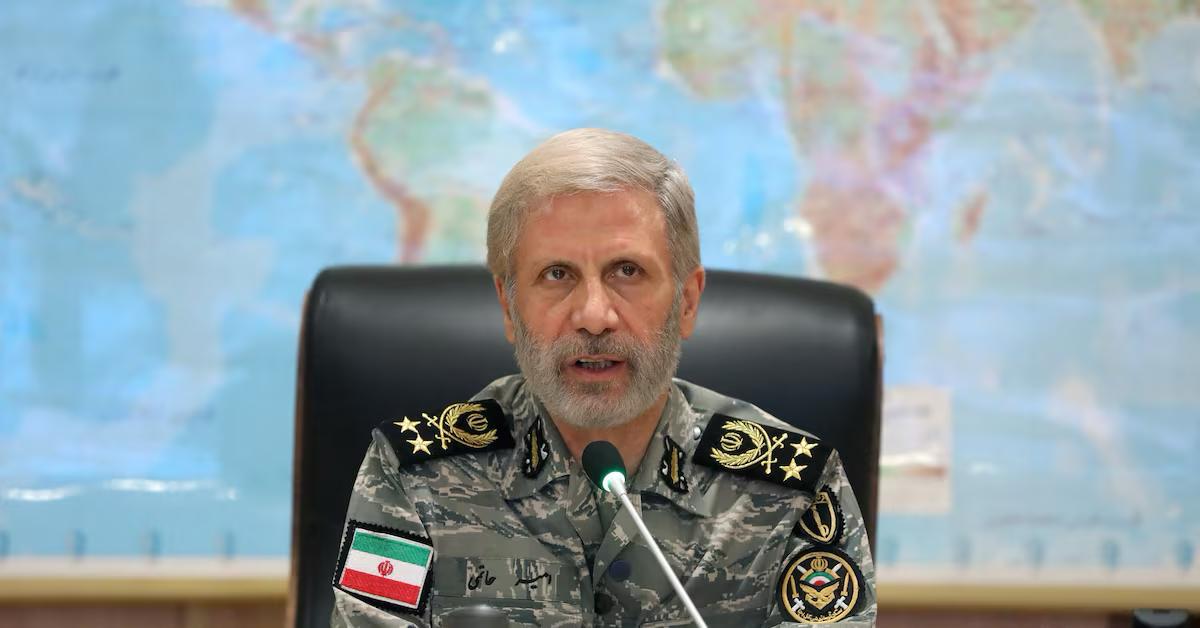
Iranian Army Chief General Hatami issued a statement on September 27 asserting that Iran will not permit enemies to use the Strait of Hormuz while Iran itself is deprived of trade access. According to the statement reported via Telegram, Hatami characterized the waterway as a symbol of national dignity and honor, framing potential restrictions on Iranian commerce as justification for preventing others' passage through the chokepoint.
Context and assessment
The statement reflects escalating Iranian rhetoric amid reported regional setbacks. Related statements from Iranian leadership on September 26–27 reference imposed conflict, martyred personnel, and allegations of foreign exploitation of regional instability. The Strait of Hormuz, through which roughly one-third of global seaborne oil transits, has historically been a focal point of Iranian strategic posturing. Hatami's framing of trade access as a dignity issue, coupled with concurrent military messaging about external pressure, suggests Iran may be preparing domestic audiences for economic or military contingencies. The threat does not specify concrete actions but underscores Iran's view of the waterway as leverage in ongoing regional competition.
Sources and confidence
Single source: Telegram channel @ClashReport. No cross-confirmation reported from other channels or official Iranian media. Confidence score of 7.0 reflects the statement's attribution to a named senior official but limited corroboration. Confirmation via Iranian state media or independent regional outlets would strengthen confidence. Direct video or official transcript would substantially raise reliability.
Location
Tehran, Iran (35.6892°N, 51.389°E). Location precision marked as settlement-level; the statement originated from Iran's capital but refers strategically to the Strait of Hormuz, a maritime waterway between Iran and Oman separating the Persian Gulf from the Arabian Sea, approximately 1,600 km southeast of Tehran.
Related events nearby
- Iranian military spokesman Emir Ekremi Nia claims Trump administration sought to exploit regional conditions (2026-09-27 09:31 UTC · Statement · Tehran, Iran
- Iranian President Pezeshkian questions Israeli regime's credibility and criticizes Netanyahu for deceiving Tru2026-09-26 18:58 UTC · Statement · Tehran, Iran
- Assembly of Experts member Ayatollah Mohsen Heydari reveals Supreme Leader Mojtaba Khamenei was injured in a h2026-09-26 16:39 UTC · Report · Tehran, Iran
- Iranian President Pezeshkian reiterates Iran did not seek conflict; war was imposed on Iran, and some of the n2026-09-26 12:12 UTC · Statement · Tehran, Iran
- Iranian President Pezeshkian denied Iran seeks nuclear weapons, stating from a religious (Fatwa) perspective, 2026-09-26 12:02 UTC · Statement · Tehran, Iran
▶ View this event on the live map
Intel Mapper aggregates open-source reports from monitored Telegram and X channels, geolocates them, cross-checks duplicates across sources and assigns a confidence score. Entries are updated as new confirmations arrive. Read how we verify events.