Russia threatens nuclear response if NATO isolates Kaliningrad exclave
What happened
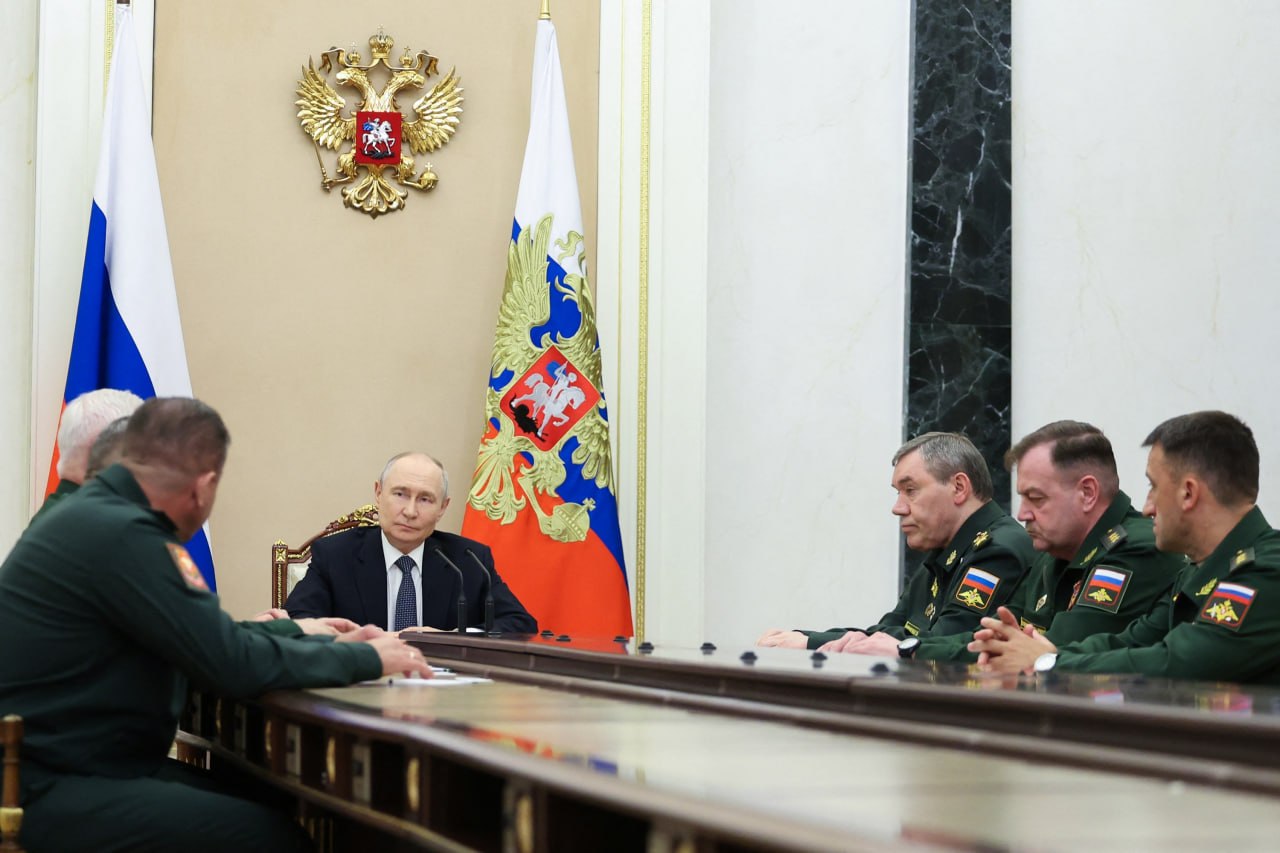
Russian officials warned on September 30 that any NATO attempt to isolate Kaliningrad, Russia's Baltic exclave separated from mainland territory, could provoke a nuclear response and strikes against NATO decision-making centers. NATO dismissed the warning, reaffirming that its exercises pose no threat to Russian territory. The statement was reported via Telegram.
Context and assessment
Kaliningrad, sandwiched between NATO members Poland and Lithuania, represents a persistent flashpoint in Russia-NATO tensions. The exclave depends on transport corridors through Lithuania for surface connectivity to Russia. Russia has previously characterized NATO exercises and sanctions enforcement in the region as existential threats. These repeated warnings—made three times on September 30 alone—suggest Moscow views increased NATO activity or supply restrictions as imminent. The rhetoric escalates longstanding anxieties over the enclave's vulnerability and may signal Russian concern over hardening NATO posture in the Baltic, though such nuclear-armed declarations are routine in Russian strategic messaging.
Sources and confidence
Single source: Telegram channel @ClashReport. No corroboration from Western or independent outlets reported. Confidence score of 7/10 reflects the statement's attribution to Russian officials and consistency with established rhetoric, though unconfirmed origin limits certainty. Confirmation by mainstream Russian state media or NATO acknowledgment would strengthen confidence; retraction or clarification would lower it.
Location
Statement originated from Moscow, Russia's capital (55.76°N, 37.62°E). Concerns Kaliningrad exclave, located on the Baltic coast between Poland and Lithuania, approximately 750 kilometers northwest of Moscow. Kaliningrad city serves as the region's administrative center and main population hub.
Related events nearby
- Kremlin warns NATO that any attempt to isolate Kaliningrad from mainland Russia would trigger direct conflict 2026-09-30 12:50 UTC · Statement · Moscow, Russia
- Russia warned NATO that isolating Kaliningrad could trigger direct conflict and nuclear weapon use. The Kremli2026-09-30 11:51 UTC · Statement · Moscow, Russia
- Putin claims millions participated in referendums in occupied Donbas and Novorossiya, stating they lawfully ch2026-09-30 12:02 UTC · Statement · Moscow, Russia
▶ View this event on the live map
Intel Mapper aggregates open-source reports from monitored Telegram and X channels, geolocates them, cross-checks duplicates across sources and assigns a confidence score. Entries are updated as new confirmations arrive. Read how we verify events.