NATO chief warns Europe to prepare for sustained Russian sabotage campaigns
What happened
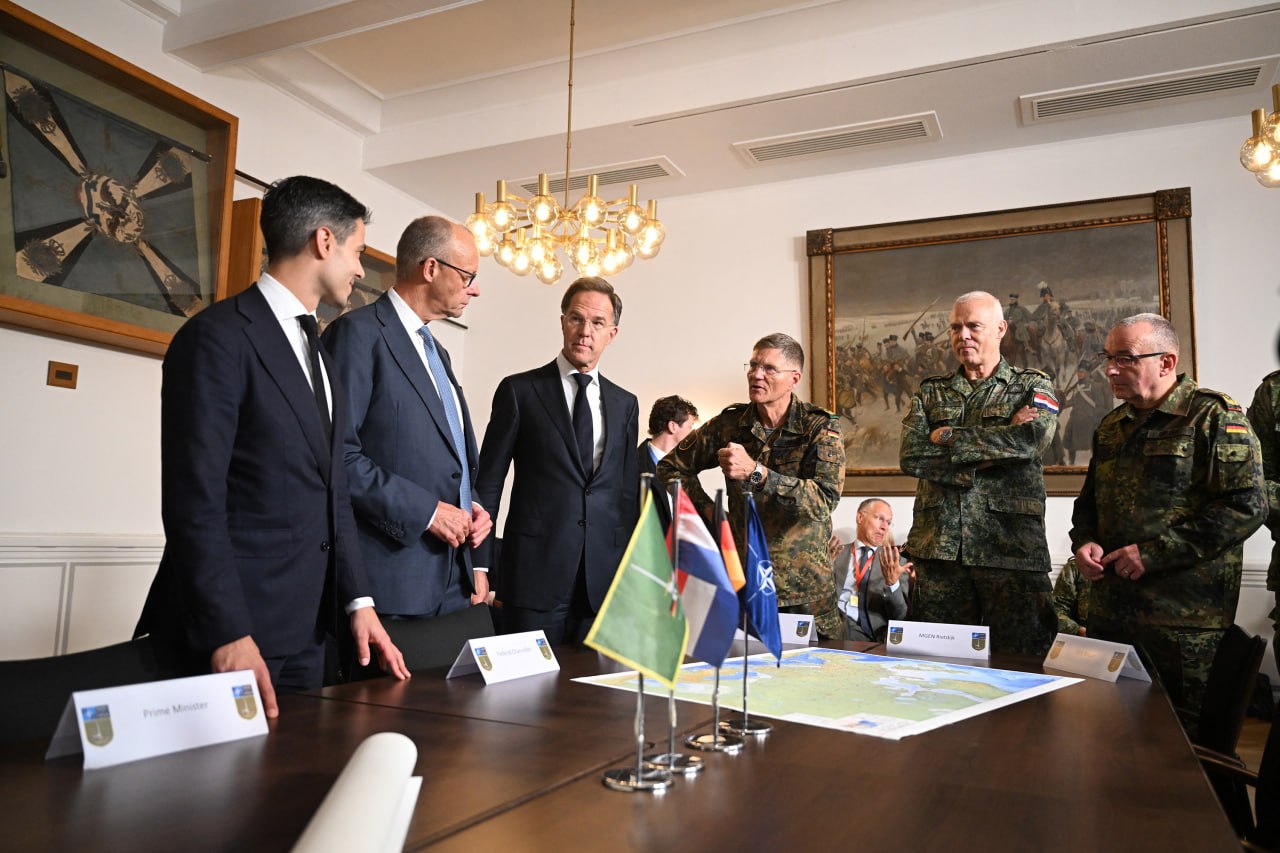
NATO Secretary General Mark Rutte addressed European allies on October 1, urging preparedness for continued Russian sabotage and arson operations. The warning came as Germany and the Netherlands announced enhanced intelligence cooperation to counter such threats. Rutte's statement was made in Brussels and reflects broader NATO concern over asymmetric Russian activity targeting critical infrastructure and civilian assets across the alliance.
Context and assessment
Russian sabotage campaigns against NATO members have accelerated in recent years, targeting undersea cables, rail infrastructure, and energy facilities across Northern Europe. Rutte's warning reflects a shift in NATO strategic communication, moving beyond traditional military deterrence to address hybrid threats. The pledge by Germany and the Netherlands to deepen intelligence sharing suggests alliance members view sabotage as a coordinated, persistent threat requiring multilateral response. This statement follows Rutte's recent remarks reaffirming NATO's defense commitments and condemning Russian operations in Ukraine, indicating a comprehensive messaging effort to strengthen allied cohesion and preparedness against Russian escalation below the threshold of direct military confrontation.
Sources and confidence
Reported by Telegram channel ClashReport on October 1. Single-source reporting limits independent verification. Confidence score of 7.0 reflects Rutte's position as a senior NATO official whose statements are typically documented in official channels, though this particular report would benefit from corroboration through NATO press releases or European media coverage to strengthen confidence.
Location
Brussels, Belgium, the seat of NATO headquarters. Rutte's statement was made in the capital of the alliance, reinforcing NATO's institutional position on the threat. The announcement of German-Dutch intelligence cooperation references The Hague, the administrative center of the Netherlands and location of multiple related diplomatic statements on October 1.
Related events nearby
- NATO Secretary General Mark Rutte reaffirms NATO's commitment to defend allied territory and remain prepared t2026-10-01 12:48 UTC · Statement · The Hague, Netherlands
- NATO Secretary General Mark Rutte condemns Putin's war in Ukraine, stating tens of thousands of young Russians2026-10-01 12:32 UTC · Statement · The Hague, Netherlands
▶ View this event on the live map
Intel Mapper aggregates open-source reports from monitored Telegram and X channels, geolocates them, cross-checks duplicates across sources and assigns a confidence score. Entries are updated as new confirmations arrive. Read how we verify events.