Estonia repositions troops to Russian border, procures long-range strike weapons
What happened
Estonia is permanently moving military forces closer to its Russian border and adopting an "active defense" posture designed to counter threats from the initial stages of any conflict. The country is simultaneously constructing new military bases along the border zone and acquiring long-range weapons systems from the United States and South Korea capable of striking targets up to 300 kilometers into Russian territory. The shift represents a significant change in Estonia's defensive posture and force positioning.
Context and assessment
The repositioning reflects broader NATO and Baltic state concerns about Russian military capability and intent in the region. Estonia shares a 294-kilometer border with Russia and has been subject to hybrid warfare, cyber attacks, and military provocations in recent years. The shift toward forward-deployed forces and long-range strike capacity suggests a strategic pivot from static defense toward active defense-in-depth. This aligns with NATO's broader eastern flank posture adjustments and reflects Estonia's assessment that deterrence and rapid response to threats originating from Russian territory require forward positioning. The procurement of extended-range weapons, including likely ATACMS or similar systems, indicates capability development aimed at area denial and counter-strike potential.
Sources and confidence
Reported by Financial Times and distributed via Telegram (@ClashReport) and X (@Osint613). Two independent sources confirm the core reporting. Confidence of 7.0 reflects corroboration across sources and alignment with publicly announced Estonian defense policy, though specific base locations and procurement timelines require further specification.
Location
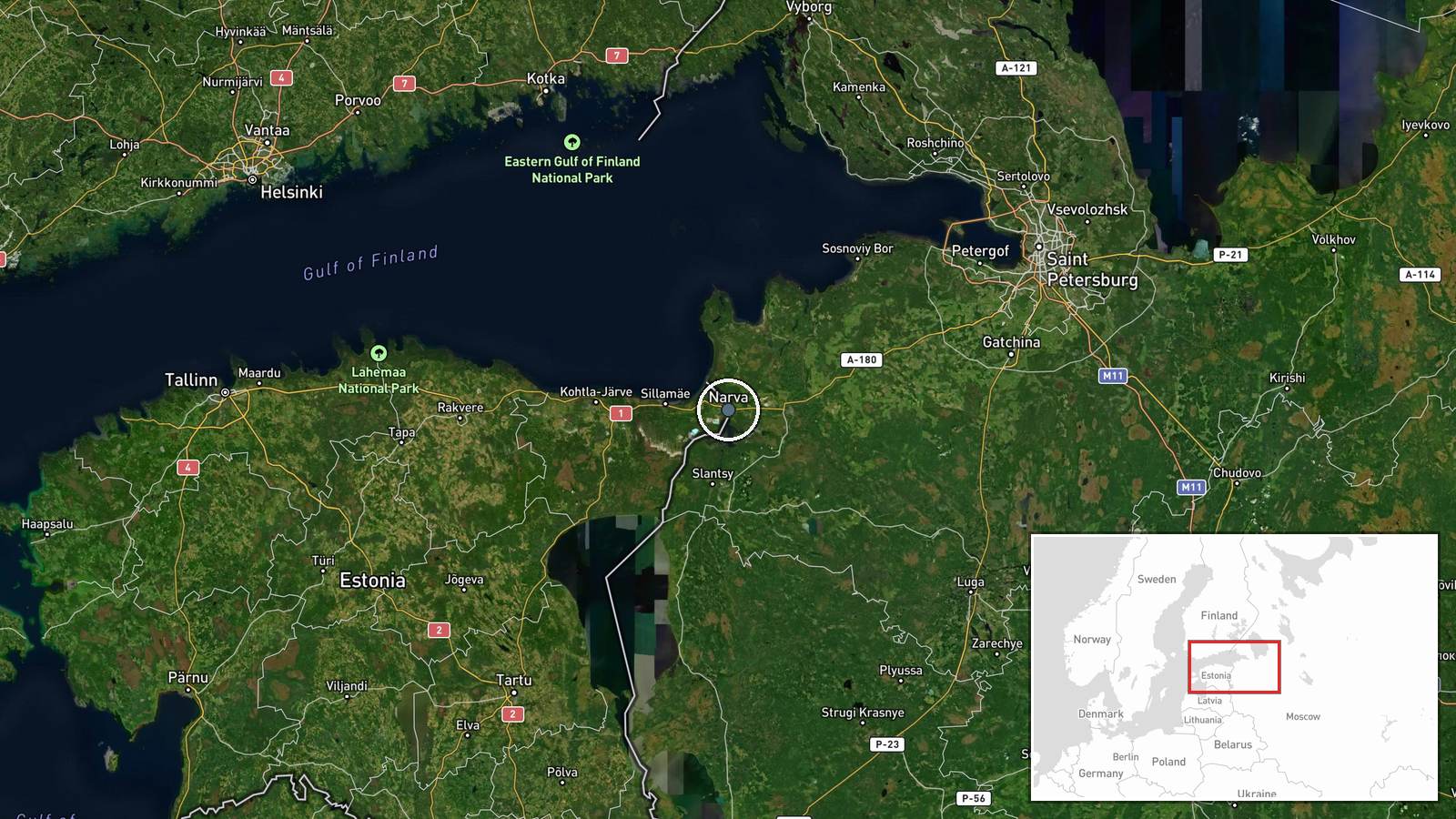
Narva, Ida-Viru County, northeastern Estonia. The city lies directly on the Estonia-Russia border, separated from Russian Ivangorod by the Narva River. This region represents the closest populated area between NATO and Russian territory and historically serves as a focal point for border security operations and military presence.
▶ View this event on the live map
Intel Mapper aggregates open-source reports from monitored Telegram and X channels, geolocates them, cross-checks duplicates across sources and assigns a confidence score. Entries are updated as new confirmations arrive. Read how we verify events.