Iranian general declares Strait of Hormuz closed under armed forces control
What happened
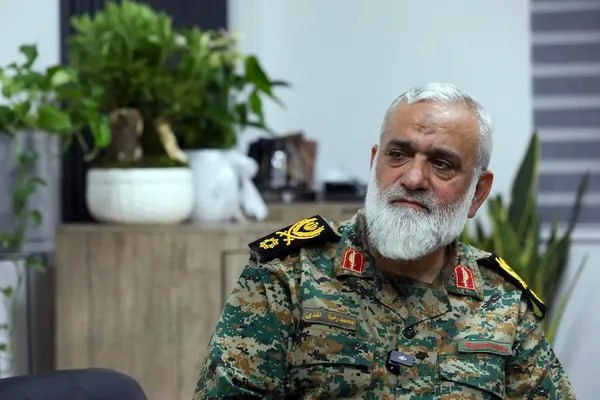
Iranian General Mohammad Reza Naqdi stated on October 7 that the Strait of Hormuz is closed and fully controlled by Iran's armed forces. He acknowledged that smuggling occurs via small vessels transferring oil to tankers but characterized the volume as negligible. Naqdi announced plans to block smuggling routes by blasting and destroying rocky areas in the strait. The statement was reported via Telegram.
Context and assessment
The Strait of Hormuz is one of the world's most critical chokepoints for global energy supplies, with roughly one-third of seaborne traded oil passing through it. Iran's assertion of closure and control comes amid broader regional tensions and follows earlier October 7 statements from Iranian leadership emphasizing military readiness and resistance to adversaries. The announcement to physically obstruct smuggling routes through blasting represents an escalation in Iran's stated enforcement posture in the strait, though the practical feasibility and international implications of such actions remain unclear. These declarations may reflect attempts to assert deterrence or respond to perceived threats.
Sources and confidence
A single Telegram channel (@ClashReport) reported the statement. No cross-confirmation from independent news agencies or additional sources is noted. The confidence score of 7.0 reflects the single-source reporting and the nature of the claim as a public statement rather than independently verified military action. Confirmation from official Iranian state media or multiple independent outlets would strengthen confidence.
Location
The statement originates from Tehran, Iran, where Iranian military and political leadership typically make public declarations. The Strait of Hormuz itself, located between Iran and Oman, is the geographic subject of the claim but not the location where the statement was issued.
Related events nearby
- Iranian Army releases recruitment video calling for young pilots, highlighting Russian language proficiency re2026-10-07 11:04 UTC · Statement · Tehran, Iran
- Iranian General Mohammad Reza Naqdi reiterates that Iran's weapon range limitations are policy-based, not tech2026-10-07 10:56 UTC · Statement · Tehran, Iran
- Iranian President Pezeshkian declares Iran will resist adversaries and frustrate their plans. Emphasizes relia2026-10-07 10:23 UTC · Statement · Tehran, Iran
- Iran declares military readiness for war with U.S. and Israel, issuing extensive list of potential targets via2026-10-06 16:52 UTC · Statement · Tehran, Iran
▶ View this event on the live map
Intel Mapper aggregates open-source reports from monitored Telegram and X channels, geolocates them, cross-checks duplicates across sources and assigns a confidence score. Entries are updated as new confirmations arrive. Read how we verify events.