Ukraine strikes ammunition depot in Russian-held Luhansk during overnight operation
What happened
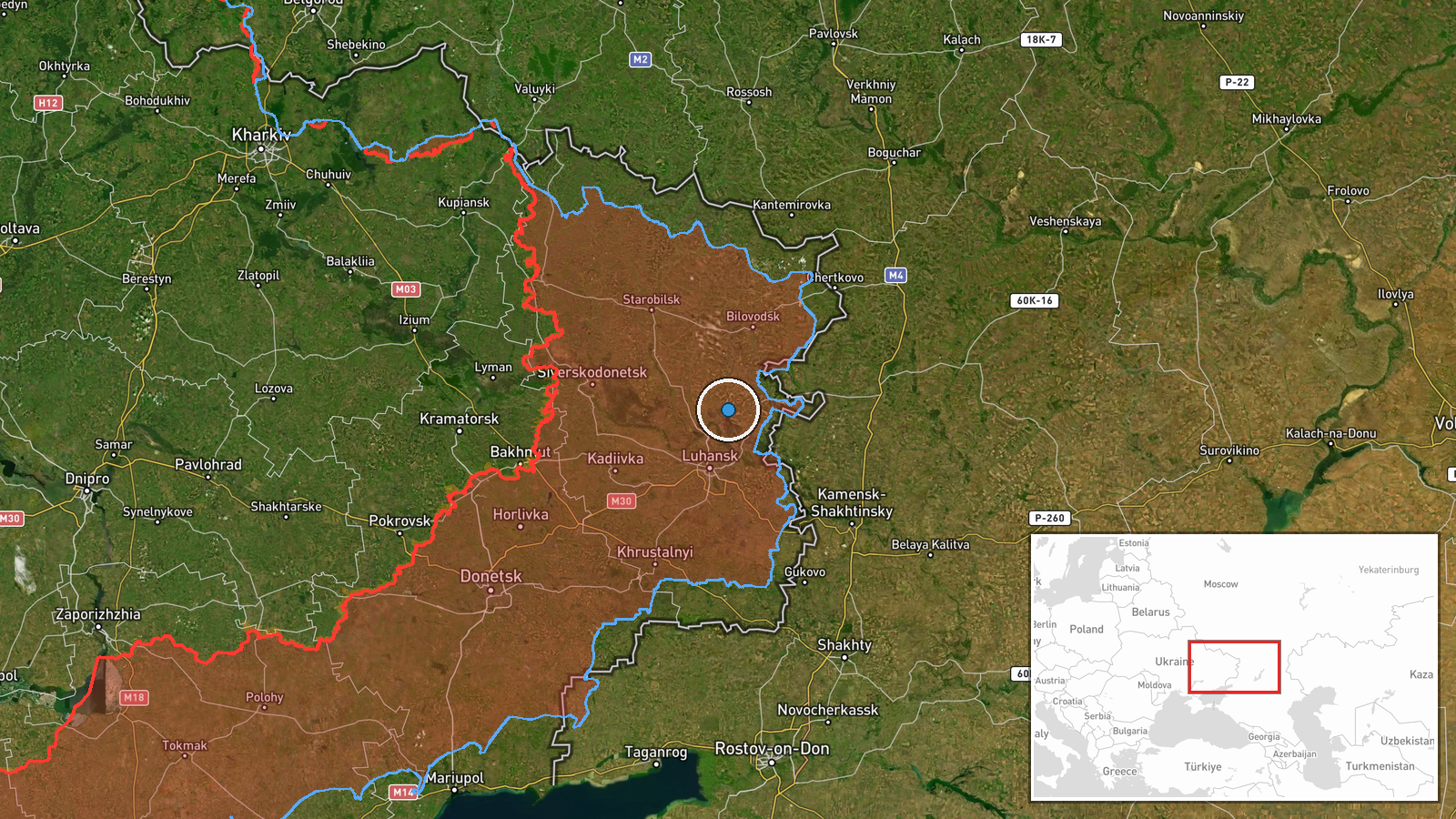
Ukrainian Defense Forces reported striking an enemy ammunition depot in the Teple area of Luhansk Oblast during the night of 6–7 September 2026. The operation was announced by the General Staff of Ukraine via Telegram. No independent confirmation of the strike's success or damage assessment has been reported. The attack occurred amid broader Ukrainian operations against Russian rear-area targets across multiple sectors.
Context and assessment
Luhansk Oblast remains under Russian control following Moscow's 2022 invasion and subsequent territorial gains. Ammunition depots serving frontline forces represent high-value targets for Ukrainian strikes, as disrupting Russian logistical supply chains can degrade combat effectiveness across the theater. This operation forms part of a pattern: on the same night, Ukrainian forces also reportedly struck command posts in Nyzhne Nahirne and Dovzhanskyi in Luhansk and in Azove in Zaporizhzhia Oblast. Such coordinated strikes on rear-area targets suggest Ukrainian targeting of Russian command and supply infrastructure, consistent with long-range strike capabilities developed throughout the conflict.
Sources and confidence
The claim originates solely from the General Staff of Ukraine's Telegram channel (@GeneralStaffZSU), a primary source for Ukrainian military claims. No cross-confirmation from independent observers, Russian statements, or third-party analysts has been identified. The confidence score of 8.0 reflects the credibility of the source institution, though the single-source nature means damage assessment remains unverified. Satellite imagery or Russian acknowledgment would significantly strengthen confidence.
Location
Teple is a settlement in Luhansk Oblast, approximately 48.8°N, 39.4°E, located in the southern portion of the oblast near the administrative boundary with Donetsk. The settlement lies in Russian-controlled territory some distance behind the current front lines, typical for rear-area logistical facilities.
Related events nearby
- Ukrainian Defense Forces struck enemy command posts (CP) in Nyzhne Nahirne and Dovzhanskyi, Luhansk Oblast, an2026-09-07 10:21 UTC · Security · Nyzhnii Naholchyk, Luhansk Oblast, Ukraine
- Ukrainian General Staff reports strikes on September 7-8 against Russian military targets: UAV storage/launch 2026-09-08 09:21 UTC · UAS Strike · Horlivka, Donetsk Oblast, Ukraine
- Brigadier General Andrii Biletskyi, commander of Ukraine's 3rd Army Corps, released a video from Sviatohirsk r2026-09-07 13:35 UTC · Statement · Sviatohirsk, Donetsk Oblast, Ukraine
▶ View this event on the live map
Intel Mapper aggregates open-source reports from monitored Telegram and X channels, geolocates them, cross-checks duplicates across sources and assigns a confidence score. Entries are updated as new confirmations arrive. Read how we verify events.