Ukraine strikes Grenadier reconnaissance posts in occupied Crimea
What happened
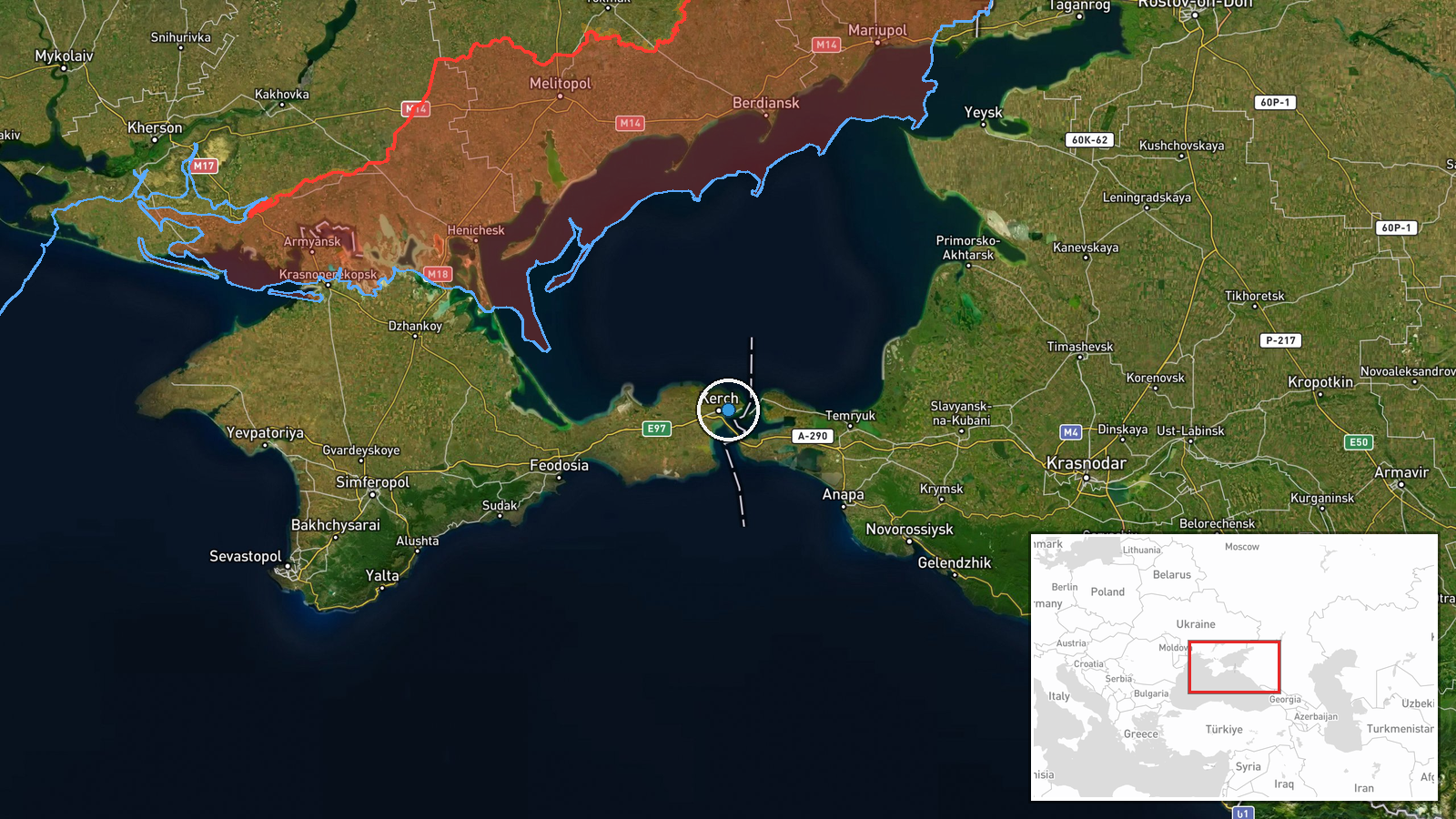
Ukrainian forces conducted an unmanned aerial strike against two Grenadier reconnaissance technical equipment positions in occupied Crimea on September 16, reportedly hitting installations in the settlements of Suvorovoe and Risovoe. The General Staff of the Armed Forces of Ukraine announced the operation via Telegram, describing the targets as posts for technical intelligence means. Grenadier systems are Russian reconnaissance and early warning equipment used for electronic surveillance and threat detection.
Context and assessment
Reconnaissance installations in Crimea represent key elements of Russian air defense and situational awareness networks across the peninsula. Strikes against such systems aim to degrade Russian intelligence collection capabilities and potentially complicate air defense coordination. The timing reflects ongoing Ukrainian efforts to target the military infrastructure supporting Russian occupation, particularly systems that enable force protection and operational coordination. Degrading these technical means could hamper Russian ability to detect and respond to Ukrainian operations, contributing to longer-term attrition of occupation capabilities.
Sources and confidence
Report confirmed by General Staff of the Armed Forces of Ukraine via official Telegram channel. Single-source confirmation limits independent verification of strike effectiveness or damage assessment. Confidence score of 8.0 reflects official Ukrainian military attribution and plausible target selection, though damage claims await corroboration. Additional imagery or Russian acknowledgment would strengthen confidence.
Location
Suvorovoe and Risovoe are settlements in south-central occupied Crimea, located approximately 30 kilometers northeast of Sevastopol. The coordinates place the strike in an area of low-density settlement amid agricultural terrain, typical positioning for surveillance installations seeking dispersed placement away from population centers while maintaining coverage of strategic approaches to Crimea.
▶ View this event on the live map
Intel Mapper aggregates open-source reports from monitored Telegram and X channels, geolocates them, cross-checks duplicates across sources and assigns a confidence score. Entries are updated as new confirmations arrive. Read how we verify events.