Ukrainian Marines conduct night amphibious landing drills in Zaporizhzhia Oblast
What happened
Ukraine's Marine Forces conducted training exercises focused on amphibious landings under darkness and challenging water conditions while carrying full combat loads, according to a statement posted to the General Staff of the Armed Forces of Ukraine Telegram channel. The drills emphasize repetition and automaticity of movements to prepare personnel for operational contingencies, with emphasis on building confidence in actual combat conditions where deliberation time is minimal.
Context and assessment
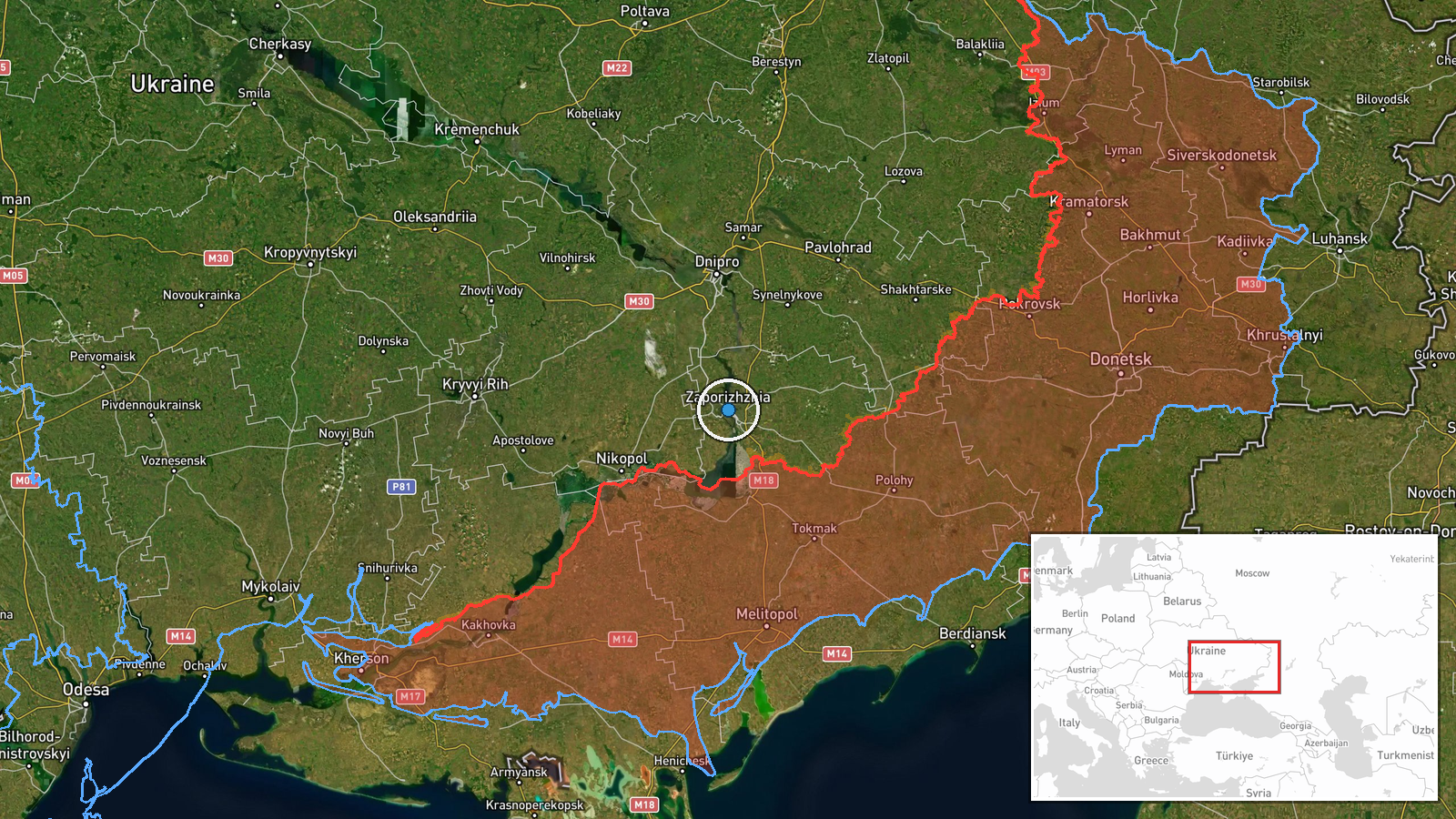
Amphibious operations remain tactically relevant along Ukraine's southern maritime boundary despite Russia's control of the northern Black Sea coast. Zaporizhzhia Oblast's proximity to the Azov Sea and the contested Luhansk and Donetsk regions suggests these drills prepare Ukrainian forces for potential river crossings, coastal operations, or rapid insertion scenarios. Regular training cycles by Ukrainian Marine units indicate sustained institutional focus on maintaining amphibious capability amid ongoing ground operations. Such exercises typically occur during periods of operational planning or readiness rotation.
Sources and confidence
Single source from official Ukrainian General Staff Telegram channel. No cross-confirmation from independent observers or allied military sources available. Confidence score reflects official Ukrainian military attribution but limited external verification of exercise scope, participants, or location specificity. Independent visual confirmation or additional official statements would strengthen confidence.
Location
Zaporizhzhia Oblast's southern coast near the Azov Sea, approximately 200 kilometers southeast of Zaporizhzhia city. The region encompasses the narrowing coastline between Russian-held territory to the east and Ukrainian-controlled areas to the west. Specific drill site location within the oblast cannot be determined from available data; geographic precision reflects regional-level attribution only.
▶ View this event on the live map
Intel Mapper aggregates open-source reports from monitored Telegram and X channels, geolocates them, cross-checks duplicates across sources and assigns a confidence score. Entries are updated as new confirmations arrive. Read how we verify events.