Ukrainian strike damages primary distillation unit at Yaroslavl refinery
What happened
Ukrainian forces reportedly struck the Slavneft-YANOS oil refinery in Yaroslavl, Russia during the night of September 17, according to the Ukrainian General Staff. The facility, which processes approximately 15 million tons of crude oil annually, sustained damage to its AVT-3 primary distillation unit. The AVT-3 is a critical component in the refining process that converts crude oil into intermediate products for further processing.
Context and assessment
The Slavneft-YANOS refinery represents one of Russia's significant petroleum processing assets and has been a recurring target in Ukraine's campaign against Russian energy infrastructure. Damage to primary distillation units constrains a refinery's throughput and forces costly repairs or extended shutdowns. Strikes on Russian oil processing capacity aim to degrade fuel supply chains supporting military operations and broader Russian economic activity. This attack fits an established pattern of Ukrainian strikes on Russian refineries, though this particular facility had seen less documented targeting than installations further south. The specificity of reporting the AVT-3 unit damage suggests Ukrainian forces gathered post-strike intelligence on the impact.
Sources and confidence
Reported solely by the Ukrainian General Staff Telegram channel (@GeneralStaffZSU). No independent or cross-confirmation from Russian sources, international monitoring agencies, or other open-source channels. The single-source reporting and lack of corroboration from Russian authorities or satellite imagery claims account for the moderate confidence score. Direct Russian acknowledgment or verified damage imagery would raise confidence substantially.
Location
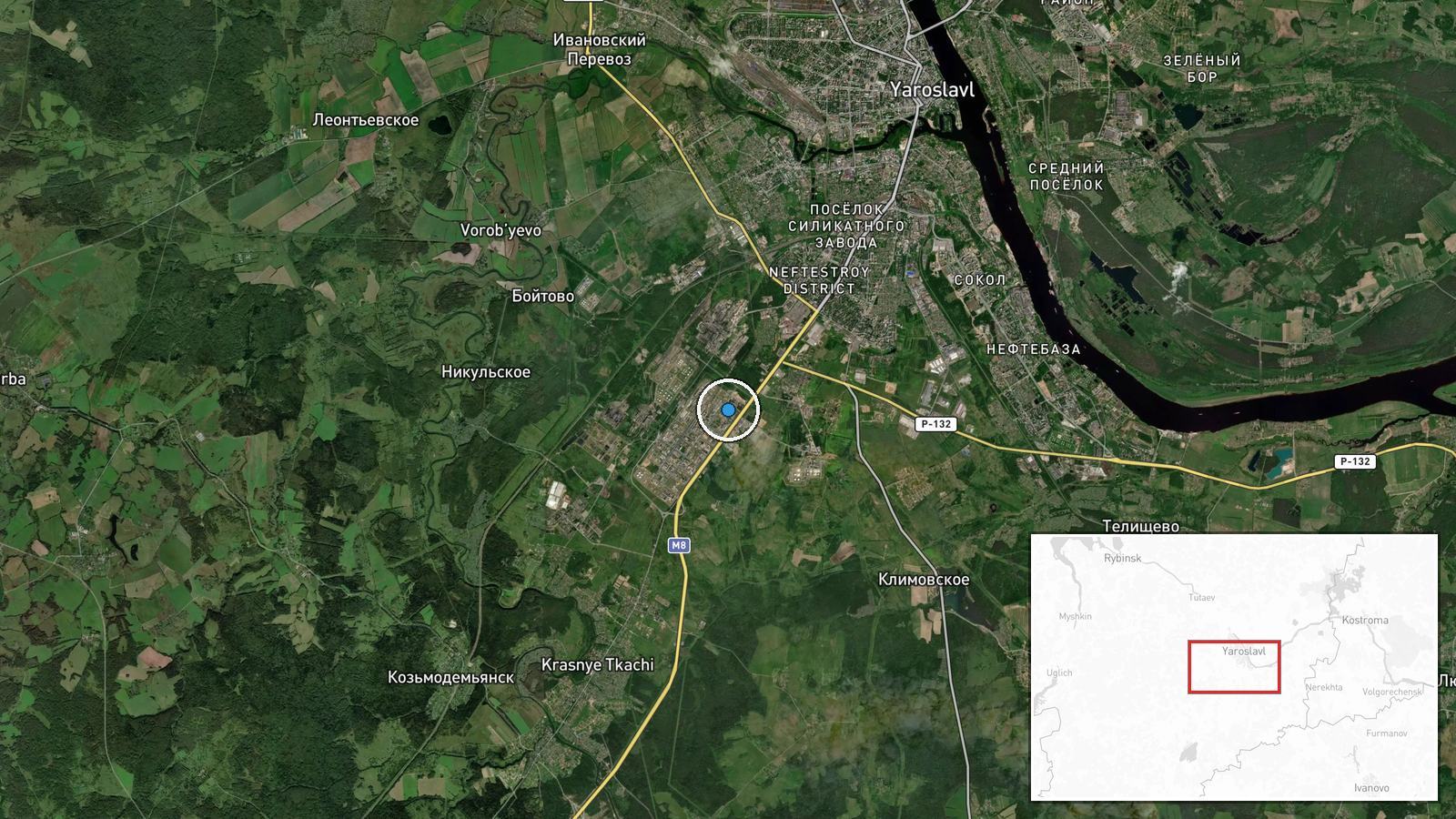
The Slavneft-YANOS refinery is located in Yaroslavl, approximately 250 kilometers northeast of Moscow in central Russia. The facility sits within Yaroslavl Oblast along the Volga River region, an area that also contains significant Soviet-era industrial infrastructure. Exact coordinates place the refinery in the city's industrial outskirts.
▶ View this event on the live map
Intel Mapper aggregates open-source reports from monitored Telegram and X channels, geolocates them, cross-checks duplicates across sources and assigns a confidence score. Entries are updated as new confirmations arrive. Read how we verify events.