Ukraine strikes Gazprom Neft-Moskovsky refinery in Volgograd Oblast
What happened
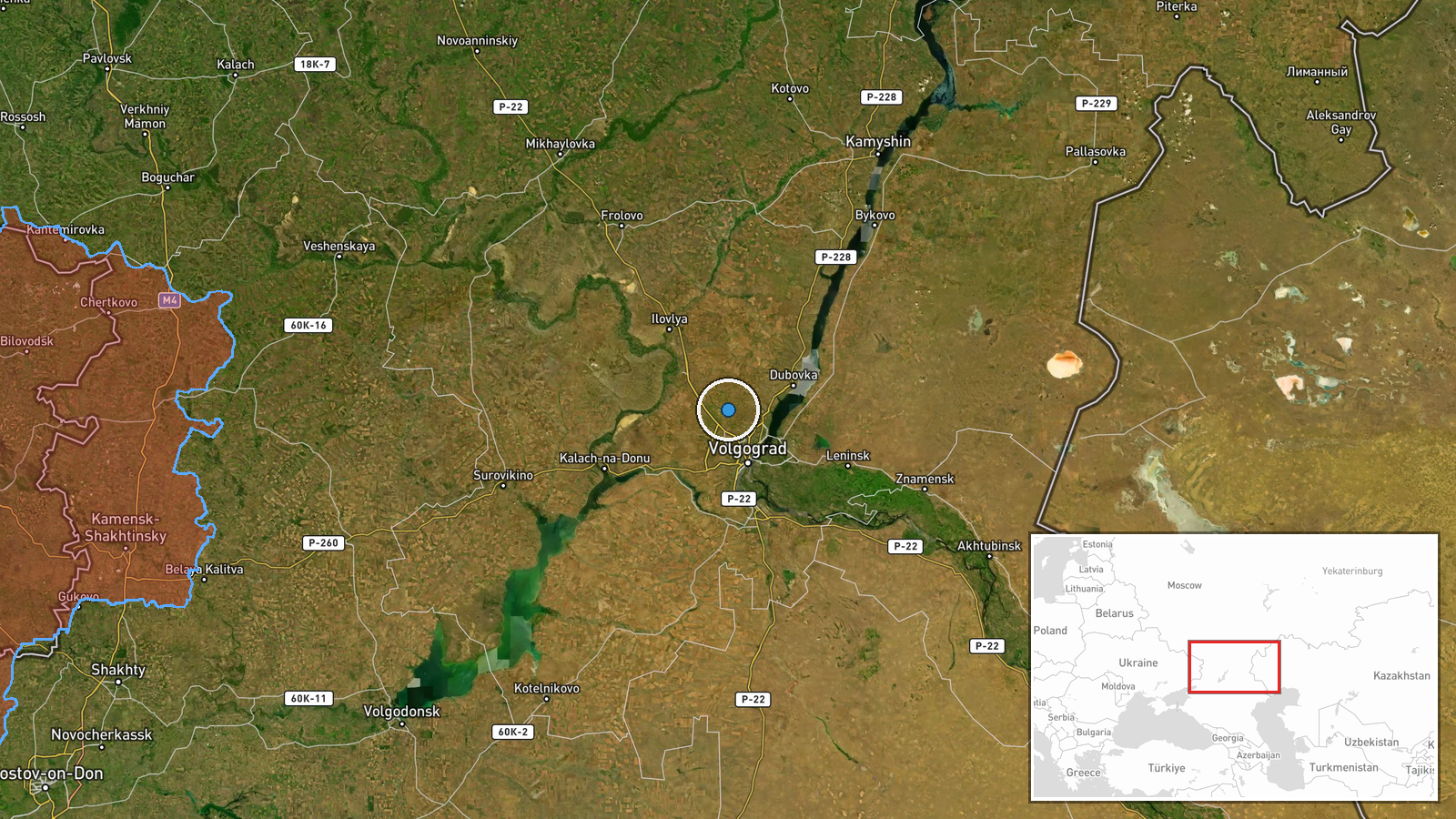
Ukrainian forces reportedly conducted a UAS strike on the Gazprom Neft-Moskovsky oil refinery on September 20, according to the General Staff of the Armed Forces of Ukraine. The attack damaged the AVT-6 crude distillation unit, a complex oil processing installation, and an isomerization unit. The facility is located in Sarepta, Volgograd Oblast, approximately 900 kilometers southeast of Moscow.
Context and assessment
The Gazprom Neft-Moskovsky refinery is one of Russia's major crude processing facilities and a critical node in domestic fuel production. Ukrainian strikes on Russian energy infrastructure have intensified as a strategy to degrade logistics capacity and reduce fuel supplies available for military operations. This attack continues a pattern of deep-strike operations targeting refineries and petrochemical complexes in southern Russia. Damage to distillation and isomerization units directly reduces the facility's ability to process crude into refined products, potentially affecting fuel stocks for both civilian and military consumption across western Russia.
Sources and confidence
Reported by the Ukrainian General Staff via Telegram. Single-source reporting limits independent verification; no confirmation from Russian sources or third-party monitors has been noted. The confidence score reflects official Ukrainian attribution but absence of corroborating sources or satellite confirmation. Visual damage assessment or Russian acknowledgment would strengthen confidence significantly.
Location
The Gazprom Neft-Moskovsky refinery is located in Sarepta, a settlement in Volgograd Oblast in southwestern Russia. The facility sits in the Volga region, approximately 900 kilometers southeast of Moscow. Volgograd Oblast borders Ukraine to the west and has historically hosted significant oil refining capacity tied to Caspian and western Siberian crude supplies.
▶ View this event on the live map
Intel Mapper aggregates open-source reports from monitored Telegram and X channels, geolocates them, cross-checks duplicates across sources and assigns a confidence score. Entries are updated as new confirmations arrive. Read how we verify events.