Ukrainian forces strike Ilsky oil refinery in southern Russia, causing fire
What happened
Ukrainian Defence Forces reportedly struck the Ilsky oil refinery in Krasnodar Krai, Russia, during the night of 26 September 2026, according to a statement from Ukraine's General Staff posted on Telegram. The facility caught fire following the attack. The refinery processes approximately 6.6 million tons of crude oil annually and supplies fuel for Russian military operations. Ukraine's statement characterised the strike as an exercise of its right to self-defence under UN Charter Article 51.
Context and assessment
The Ilsky refinery is one of southern Russia's significant fuel production facilities, located in Krasnodar Krai roughly 40 kilometres from the Sea of Azov. Strikes on Russian oil infrastructure have formed a consistent part of Ukraine's campaign to degrade the Kremlin's war-sustaining logistics. Such facilities are critical to maintaining fuel supplies for Russian military operations across multiple theatres. The targeting of refinery capacity may reflect Ukrainian efforts to constrain Russia's ability to sustain large-scale ground and air operations by reducing available fuel stocks and forcing redirection of supply routes.
Sources and confidence
Only the Ukrainian General Staff's Telegram channel (@GeneralStaffZSU) has published this claim. No corroborating reports from Russian officials, independent media, or third-party monitors are provided in the event data. The low confidence score of 8.0 reflects single-source reporting and the lack of independent verification of the fire damage claimed. Satellite imagery or Russian acknowledgement would substantially strengthen confidence.
Location
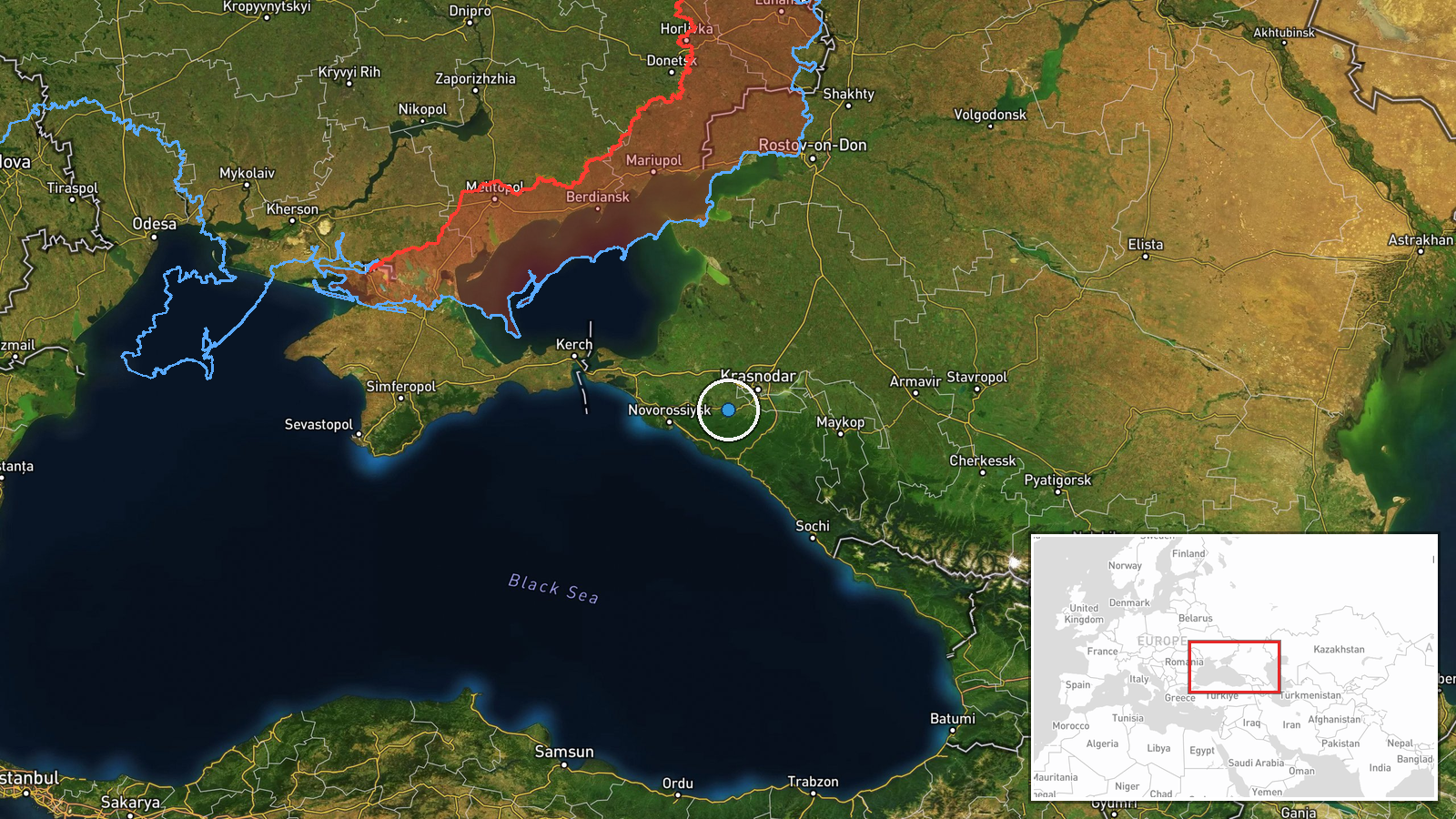
Ilsk is a settlement in Krasnodar Krai in southern Russia, approximately 40 kilometres northeast of Novorossiysk on the Black Sea coast and roughly 270 kilometres west of the Russo-Ukrainian frontline. The refinery is located within the settlement proper. The region is industrial and lies beyond the main combat zone, making it a deep inland target within Russian territory.
▶ View this event on the live map
Intel Mapper aggregates open-source reports from monitored Telegram and X channels, geolocates them, cross-checks duplicates across sources and assigns a confidence score. Entries are updated as new confirmations arrive. Read how we verify events.