Ukrainian forces damage Russian radar station in Donetsk Oblast
What happened
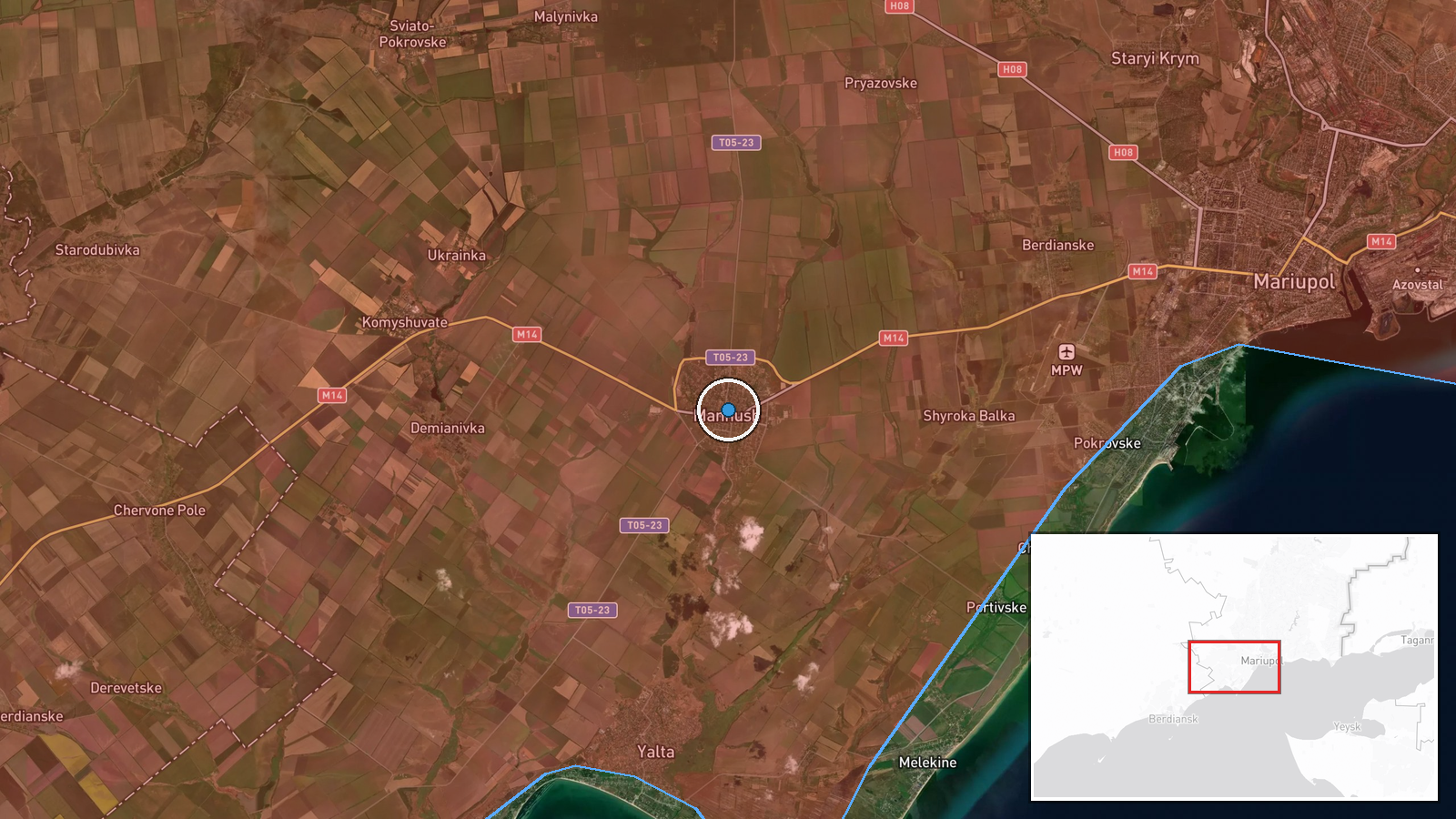
Ukrainian forces reportedly damaged a Russian 39N6 'Kasta' radar station in Manhush, Donetsk Oblast, during strikes conducted on 28–29 September 2026. The Kasta is a mobile air-defense radar system designed to detect and track aircraft and incoming threats. The attack was reported by the Ukrainian General Staff via Telegram. Manhush is located in Russian-occupied territory in southern Donetsk Oblast, near the Sea of Azov.
Context and assessment
The Kasta radar system is a critical component of Russian air-defense networks, providing early warning and targeting data for air-defense units across occupied territories. Damage to such systems reduces Russia's ability to coordinate air defense and detect Ukrainian air operations. This strike fits a pattern of Ukrainian UAS attacks across multiple fronts during late September 2026, targeting Russian logistics, ammunition storage, and air-defense infrastructure simultaneously. Related strikes hit supply depots in Zaporizhzhia Oblast, ammunition facilities in Makiivka and Ustynivka, and a drone control point in Vinohradivka, alongside a maintenance unit in Mariupol. The synchronized targeting suggests coordinated operational planning to degrade Russian rear-area capabilities.
Sources and confidence
Reported solely by the Ukrainian General Staff (@GeneralStaffZSU) via Telegram. No independent Russian or third-party confirmation is noted in available data. The confidence score of 8.0 reflects the official source status and corroboration with other reported Ukrainian strikes in the same timeframe, though single-source reporting and absence of visual verification limit absolute certainty.
Location
Manhush is a town in Russian-occupied southern Donetsk Oblast, approximately 30 kilometers northwest of Mariupol and roughly 15 kilometers west of the Sea of Azov. The settlement sits in coastal steppe terrain typical of the region. Exact coordinates place the reported strike within the town limits.
Related events nearby
- Ukrainian Armed Forces destroyed Russian enemy supply depot at Komysh-Zoria, Zaporizhzhia Oblast on 28–29 Sept2026-09-29 07:45 UTC · UAS Strike · Komysh-Zoria, Zaporizhzhia Oblast, Ukraine
▶ View this event on the live map
Intel Mapper aggregates open-source reports from monitored Telegram and X channels, geolocates them, cross-checks duplicates across sources and assigns a confidence score. Entries are updated as new confirmations arrive. Read how we verify events.