Ukraine reports destruction of Russian ammunition depots across three oblasts
What happened
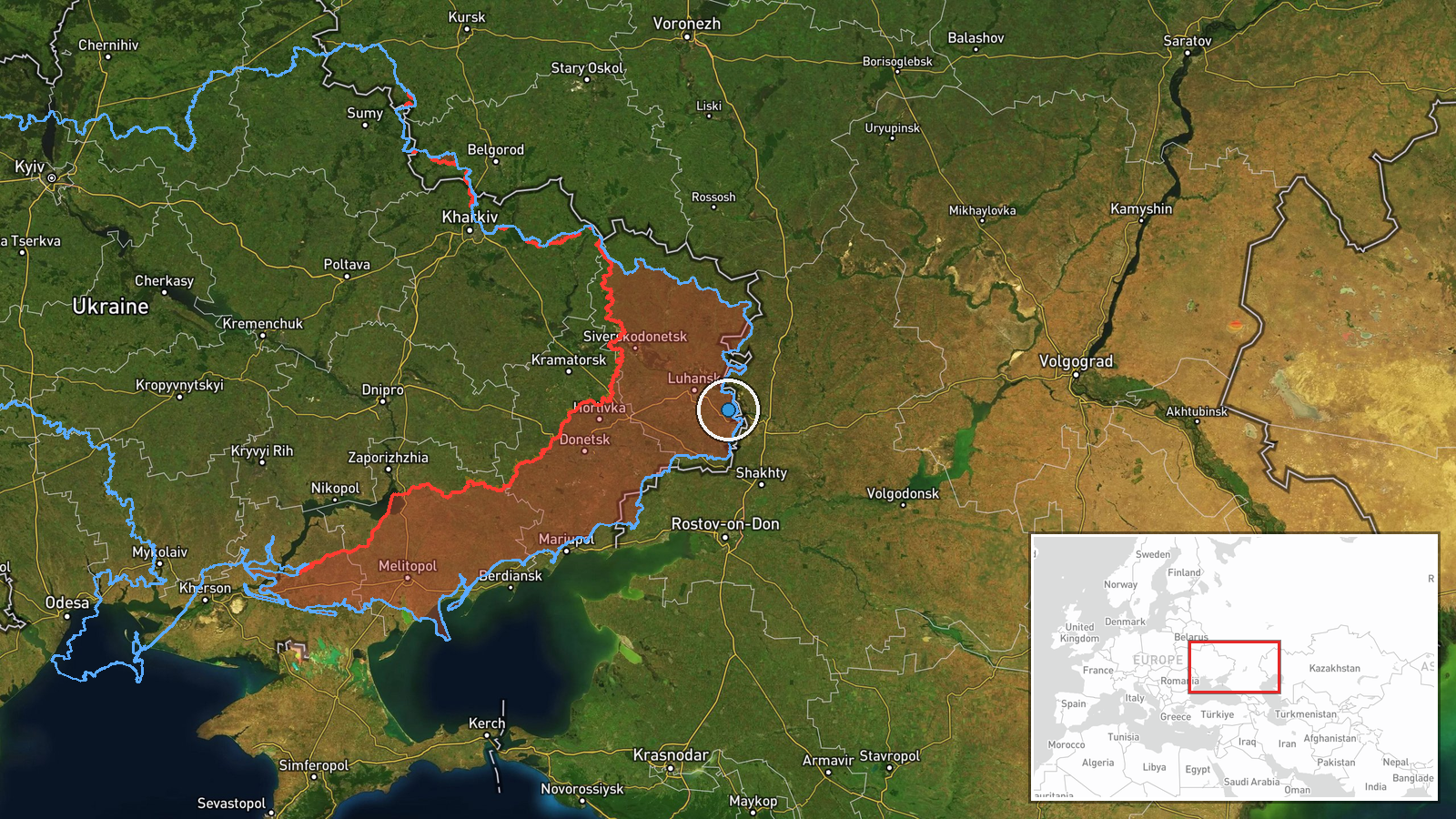
The Ukrainian General Staff reported on 29 September that Ukrainian Armed Forces destroyed Russian ammunition storage facilities in three locations during 28–29 September: Druzhne in Luhansk Oblast, Novoehorivtsi in Kharkiv Oblast, and Kachkarske in Donetsk Oblast. The report was issued via the General Staff's official Telegram channel. No further details on methods, scale of destruction, or Russian response were provided in the announcement.
Context and assessment
These reported strikes align with an established Ukrainian operational pattern of targeting Russian logistics infrastructure across the front. Related reports from the same period document Ukrainian strikes on ammunition storage in Makiivka and Ustynivka (Donetsk) on 28 September and destruction of enemy UAV command posts in Luhansk on 28–29 September. Ammunition depots remain high-value targets due to their role in sustaining Russian artillery and air defense operations. The geographic spread across three oblasts suggests either a coordinated multi-front campaign or separate engagements compressed into a single operational report.
Sources and confidence
Single source: Telegram channel of Ukraine's General Staff. No independent verification or Russian response reported. Confidence score of 8.0 reflects official Ukrainian military channel sourcing but lack of cross-confirmation or visual evidence in available data. Score would increase with satellite imagery, Russian acknowledgment of strikes, or corroborating third-party reports; would decrease if contradicted by location verification or Russian casualty/material claims.
Location
Three separate locations across eastern Ukraine: Druzhne (Luhansk Oblast, 48.40°N 39.76°E), Novoehorivtsi (Kharkiv Oblast), and Kachkarske (Donetsk Oblast). Geolocation precision rated low; coordinates represent regional reference points rather than exact facility locations. All three sites lie in active or contested territory along or near Russian supply lines.
Related events nearby
- Ukrainian Armed Forces destroyed enemy UAV command posts in Kirnososove and Novoaidary, Luhansk Oblast on 28–22026-09-29 07:44 UTC · UAS Strike · Kirnososove, Luhansk Oblast, Ukraine
- General Staff Ukraine reports Day 1679 of full-scale war. Yesterday: 213 combat engagements, 86 airstrikes, 9,2026-09-29 05:05 UTC · Report · Ukraine (Multiple Fronts)
▶ View this event on the live map
Intel Mapper aggregates open-source reports from monitored Telegram and X channels, geolocates them, cross-checks duplicates across sources and assigns a confidence score. Entries are updated as new confirmations arrive. Read how we verify events.