Ukraine strikes Russian drone facility near Horlivka in Donetsk
What happened
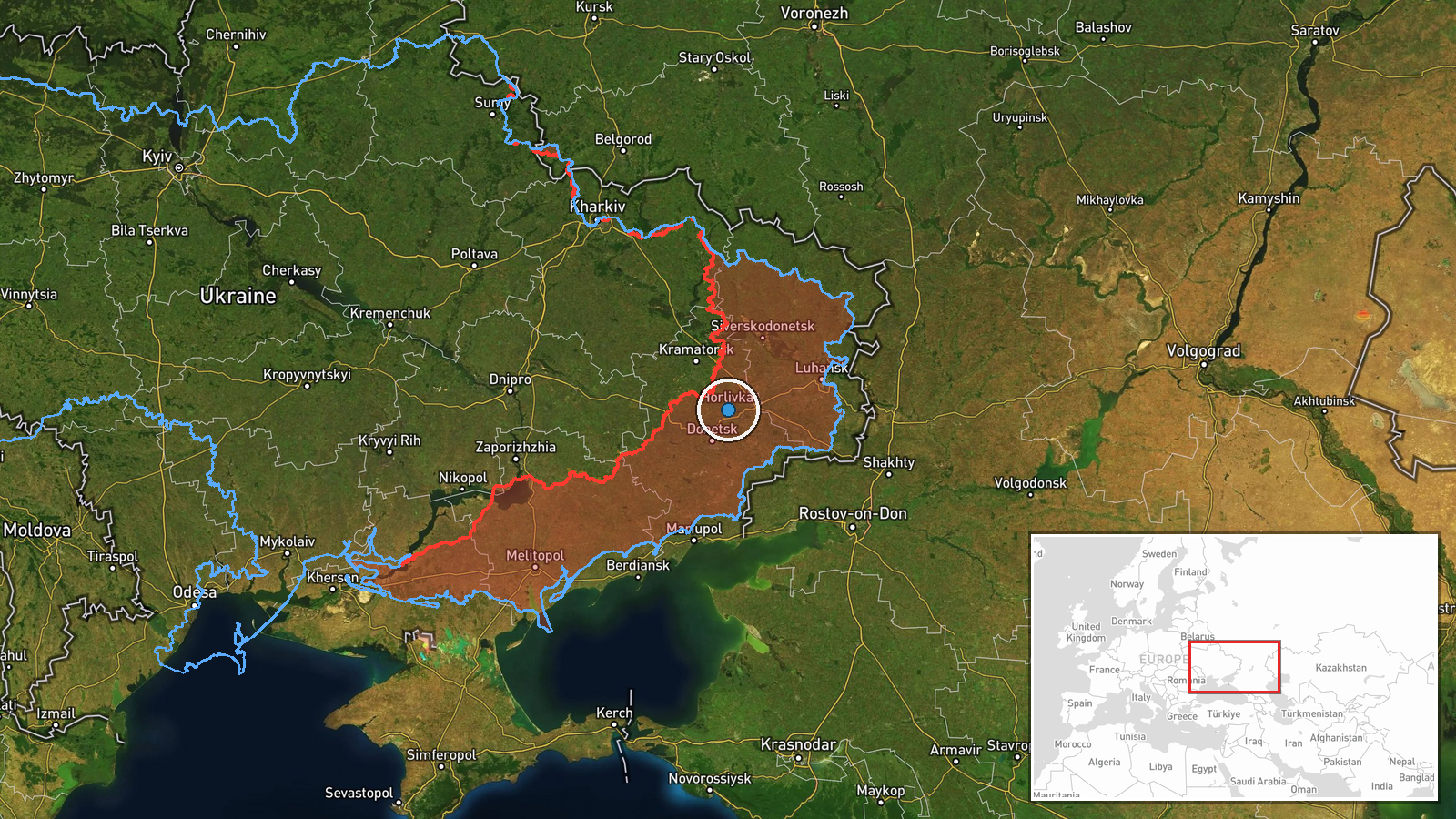
Ukraine's General Staff reported striking a Russian drone storage, preparation and launch facility in the Horlivka area of Donetsk Oblast on 5 October 2026. According to the statement, the facility was used by Russian units to stage and launch attack drones against Ukrainian civilian infrastructure. The report characterizes the strike as part of a systematic campaign to degrade Russia's unmanned aerial vehicle strike capability.
Context and assessment
Horlivka, located in Russia-controlled eastern Donetsk Oblast, hosts significant Russian military infrastructure and has been a hub for drone operations targeting Ukrainian cities and civilian areas. This strike fits a documented Ukrainian pattern of targeting Russian drone staging areas; concurrent reporting indicates continued high tempo of Russian airstrikes (54 on 4 October alone) across Ukrainian positions. Degrading Russian drone facilities represents a strategic response to sustained Russian aerial bombardment of civilian infrastructure, a defining feature of the conflict's current phase. The targeting of such facilities may indicate Ukrainian efforts to reduce the frequency and scale of Russian drone attacks on population centers.
Sources and confidence
Single source: Telegram channel of Ukraine's General Staff (@GeneralStaffZSU). No corroborating reports from independent monitors or Western intelligence agencies noted. Confidence score of 8.0 reflects the official Ukrainian military source but lack of cross-confirmation. Independent verification of facility type and damage would increase confidence; open-source imagery or third-party confirmation would significantly strengthen assessment.
Location
Horlivka (Horlivka/Gorlovka), a major city in Russian-controlled Donetsk Oblast approximately 40 kilometers northeast of Donetsk city proper. Located in the Donbas industrial region near the administrative boundary with Luhansk Oblast. Coordinates indicate region-level precision rather than specific facility location.
Related events nearby
- Ukrainian General Staff reports 163 combat clashes across all fronts on 04 October 2026. Russia conducted 1 ba2026-10-04 19:14 UTC · Report · Ukraine (Eastern Front)
- Ukrainian forces struck Russian troop concentrations in Uspenkа, Luhansk Oblast, and in Donetsk city. General 2026-10-05 08:52 UTC · UAS Strike · Uspenka, Luhansk Oblast, Ukraine
▶ View this event on the live map
Intel Mapper aggregates open-source reports from monitored Telegram and X channels, geolocates them, cross-checks duplicates across sources and assigns a confidence score. Entries are updated as new confirmations arrive. Read how we verify events.