Ukraine strikes Russian repair unit in Zaporizhzhia with unmanned strike
What happened
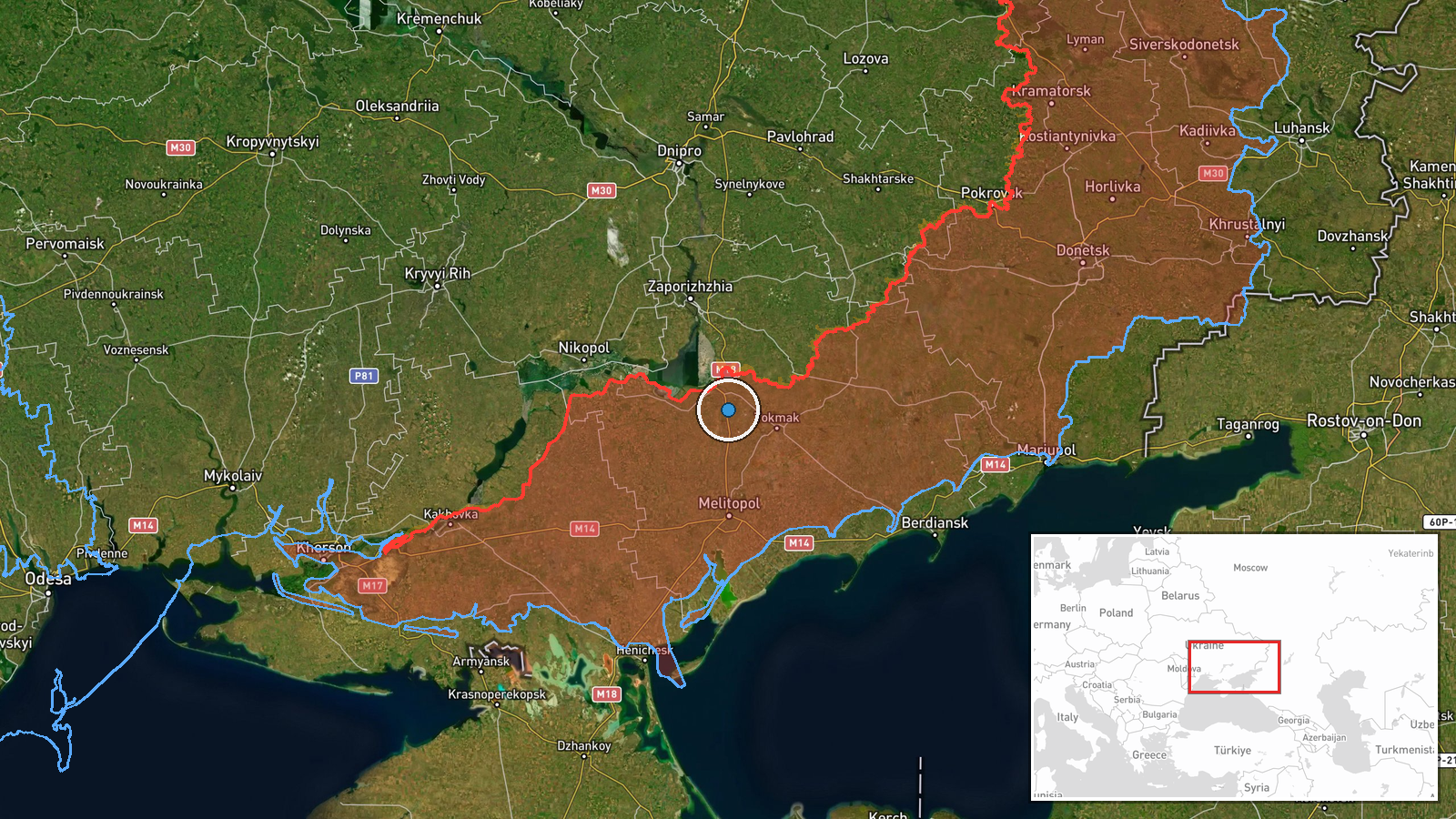
Ukrainian forces conducted a UAS strike against a Russian military repair subunit in the Liubymivka area of Zaporizhzhia Oblast on October 5, reportedly inflicting losses to both infrastructure and personnel. The target was identified as a maintenance and logistics unit of the Russian Army. The strike was announced by the Ukrainian General Staff via Telegram, which characterized the operation as damaging Russian repair operations in the region.
Context and assessment
Liubymivka lies in eastern Zaporizhzhia Oblast, territory under Russian control since 2022. Targeting repair and maintenance units reflects a documented Ukrainian strategy to degrade Russian logistical capacity, particularly in rear areas where such facilities concentrate vehicles and equipment. This strike occurred the same day as a reported Ukrainian operation against a Russian command post and UAV storage facility in nearby Berdyansk, suggesting a coordinated or opportunistic strike pattern against Russian military infrastructure across the oblast. Degrading repair capacity reduces Russian force regeneration and operational flexibility.
Sources and confidence
Report sourced solely from Ukrainian General Staff Telegram channel. Single-source reporting limits independent verification; cross-confirmation from Russian military sources or third-party monitors not yet available. Confidence score of 8.0 reflects the official Ukrainian source and consistency with typical UAS strike patterns, but absence of secondary confirmation means the specific personnel and infrastructure damage claims cannot be independently verified.
Location
Liubymivka is a settlement in eastern Zaporizhzhia Oblast at approximately 47.34°N, 35.38°E, located in Russian-controlled territory roughly 25 kilometers west of the Sea of Azov coast. The area is relatively flat steppe interspersed with smaller settlements; precision coordinates indicate the reported strike location within the settlement vicinity rather than exact facility pinpointing.
Related events nearby
- Ukrainian forces struck a Russian command post and UAV storage facility in Berdyansk, Zaporizhzhia Oblast. Inf2026-10-05 08:52 UTC · UAS Strike · Berdyansk, Zaporizhzhia Oblast, Ukraine
▶ View this event on the live map
Intel Mapper aggregates open-source reports from monitored Telegram and X channels, geolocates them, cross-checks duplicates across sources and assigns a confidence score. Entries are updated as new confirmations arrive. Read how we verify events.