Ukraine confirms strike on major Russian oil storage facility in Samara Oblast
What happened
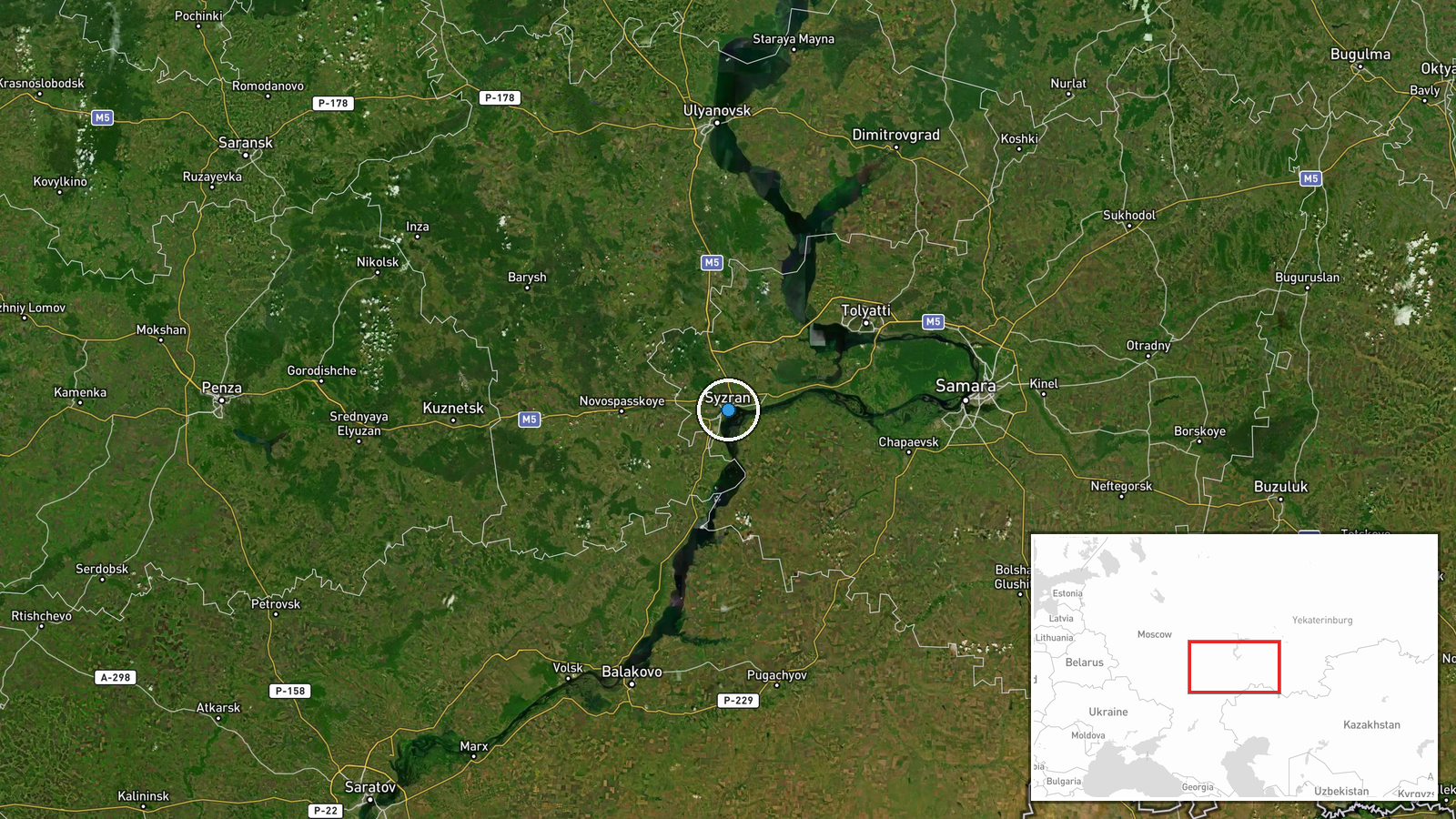
Ukraine's General Staff reported on October 2, 2026, a successful strike on the Samara oil storage facility (LVDS Samara) located in Prosvetskoe, Samara Oblast. The facility sustained damage to eleven RVS-20000 storage tanks and three RVSRK-50000 tanks, as well as pipeline sections and an automated loading station. The facility receives crude oil via pipeline from Tatarstan, Western Siberia, and other Russian oil-producing regions, and blends crude to produce Urals export-grade oil.
Context and assessment
The Samara facility is a critical node in Russia's oil export infrastructure, reportedly handling approximately 50 percent of Urals crude exports. Strikes on such facilities form part of a broader Ukrainian campaign targeting Russia's energy sector, aiming to degrade export revenues and reduce fuel availability for military operations. Damage to storage capacity and blending infrastructure at this scale could disrupt crude shipments to international markets and complicate logistics for Russian refineries and end-users. The facility's role as a mixing and distribution hub for multiple regional oil sources makes it operationally significant for Russia's energy economy.
Sources and confidence
The strike was reported by the Telegram channel of Ukraine's General Staff (@GeneralStaffZSU), the primary official source for Ukrainian military claims. No independent corroboration from Russian sources or third-party verification has been noted. The confidence score of 8.0 reflects the credibility of the source channel and detailed technical specificity of the damage assessment, though single-source reports carry inherent limitations in verification.
Location
Samara Oblast, in the Volga region of western Russia. The facility is situated near Prosvetskoe in Samara Oblast, approximately 900 kilometers east of Moscow. The Samara region is a major hub in Russia's oil pipeline network, connecting Siberian and Caspian oil fields to export terminals and western Russian refineries.
▶ View this event on the live map
Intel Mapper aggregates open-source reports from monitored Telegram and X channels, geolocates them, cross-checks duplicates across sources and assigns a confidence score. Entries are updated as new confirmations arrive. Read how we verify events.