Ukrainian forces destroy Russian Pantsir air defense system near Sochi
What happened
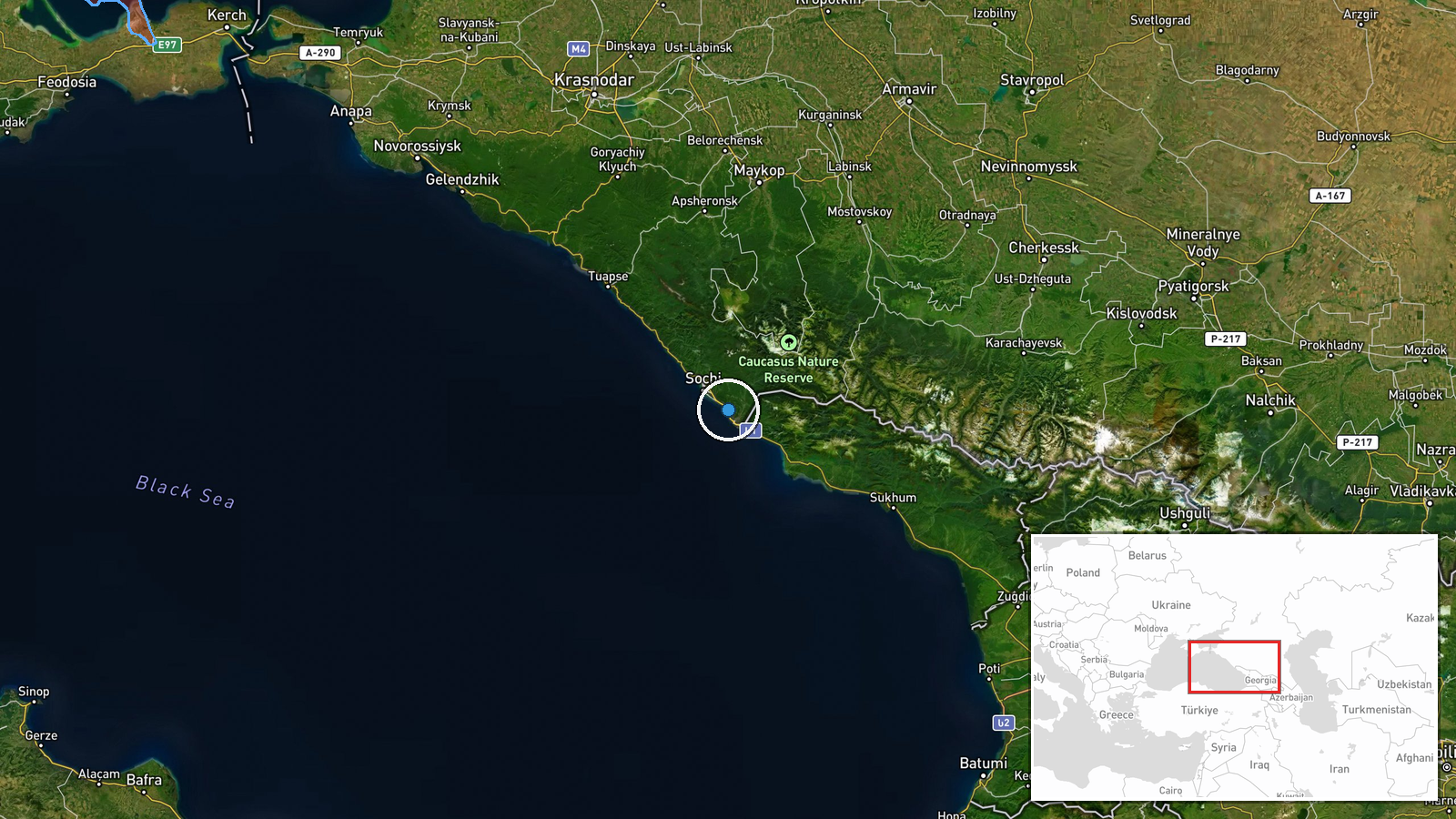
Ukrainian forces reportedly struck and destroyed a Russian Pantsir-S1 air defense system in the Kudepsta area of Krasnodar Krai on October 9, according to the Ukrainian General Staff. The Pantsir-S1 is a short-range air defense platform combining missiles and cannon systems. Kudepsta is a coastal settlement near Sochi in southwestern Russia, located well behind the primary front lines in Ukraine.
Context and assessment
The strike represents continued Ukrainian targeting of Russian air defense infrastructure in rear areas, a pattern aimed at degrading air defense coverage and potentially enabling deeper penetration of unmanned aircraft. Pantsir systems are priority targets because they protect critical Russian military and civilian facilities from air attack. The destruction of such systems in Krasnodar Krai indicates Ukrainian operations are extending into Russian territory far from the main conflict zone. The targeting may reflect attempts to establish operational space for reconnaissance or strike missions deeper into Russian airspace, or could signal growing Ukrainian capability to conduct precision strikes at extended ranges.
Sources and confidence
The report originates from the Ukrainian General Staff's official Telegram channel. A single-source report with no independent cross-confirmation from Russian military sources or international observers. Confidence remains moderate because Ukrainian military claims of strikes in Russian territory are generally consistent with open-source monitoring, though individual attack confirmations depend on visual evidence or Russian acknowledgment.
Location
Kudepsta is a coastal settlement in Sochi, Krasnodar Krai, located on the Black Sea coast approximately 1,600 kilometers south of Ukraine. The settlement lies in a mountainous region adjacent to the Caucasus range, in a region that typically hosts Russian military installations including air defense and logistics facilities supporting operations in the North Caucasus and the broader southern military district.
▶ View this event on the live map

Intel Mapper aggregates open-source reports from monitored Telegram and X channels, geolocates them, cross-checks duplicates across sources and assigns a confidence score. Entries are updated as new confirmations arrive. Read how we verify events.