Ukrainian forces strike Russian EW radar station in Bryansk Oblast
What happened
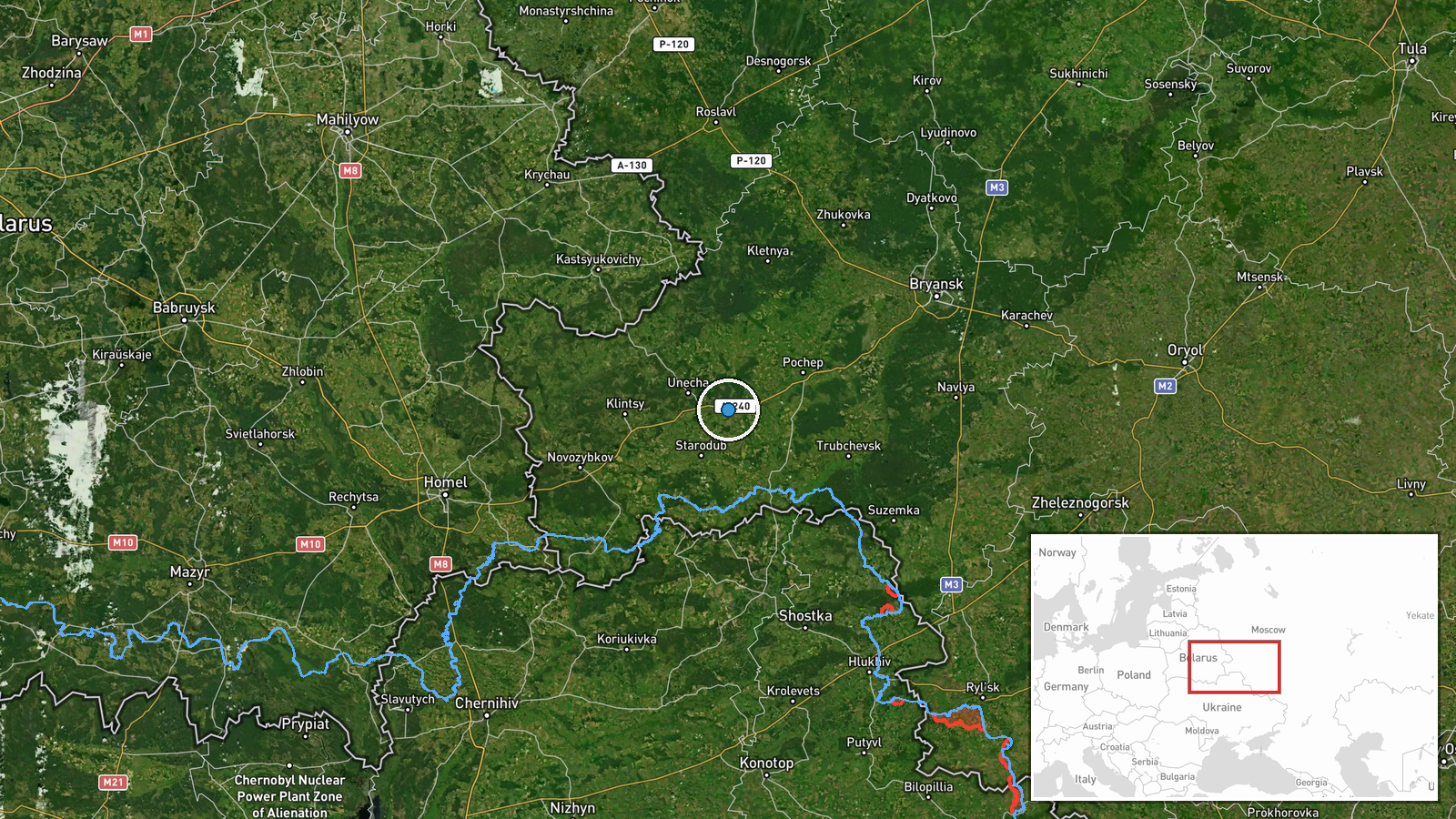
Ukrainian forces reportedly conducted a UAS strike against a Russian electronic warfare radar station near Trukhanovo in Bryansk Oblast on October 10. According to the General Staff of Ukraine's Armed Forces, the target was enemy air defense and reconnaissance equipment in the region. The strike was confirmed through official Ukrainian military channels, though details on damage assessment remain limited.
Context and assessment
Electronic warfare stations are critical components of Russia's air defense network, providing early warning and jamming capabilities for air operations. Trukhanovo lies approximately 150 kilometers north of the Ukrainian border, placing it within operational range of Ukrainian long-range unmanned systems. Strikes against EW infrastructure may indicate Ukrainian efforts to degrade Russian air defense coordination and reconnaissance capabilities ahead of potential offensive operations. Such targets support broader Ukrainian strategy to disrupt enemy sensor networks and reduce air defense effectiveness across Russian-held territory.
Sources and confidence
Report originated from the Telegram channel of Ukraine's General Staff of the Armed Forces (@GeneralStaffZSU), an official military communications source. Single-source confirmation limits independent verification of specific damage claims. Confidence score of 8.0 reflects official channel status and typical accuracy of General Staff reports, though absence of corroborating sources prevents higher confidence. Secondary confirmation from Russian military bloggers or damage assessment imagery would strengthen confidence.
Location
Trukhanovo is a small settlement in Bryansk Oblast, approximately 150 kilometers north of the Ukraine-Russia border and roughly 180 kilometers east-northeast of Kyiv. The region is part of western Bryansk, an area historically used by Russia for air defense positioning and military logistics supporting operations in Ukraine.
▶ View this event on the live map

Intel Mapper aggregates open-source reports from monitored Telegram and X channels, geolocates them, cross-checks duplicates across sources and assigns a confidence score. Entries are updated as new confirmations arrive. Read how we verify events.