Ukraine strikes Russian repair base near Sukhodylivsk in Luhansk
What happened
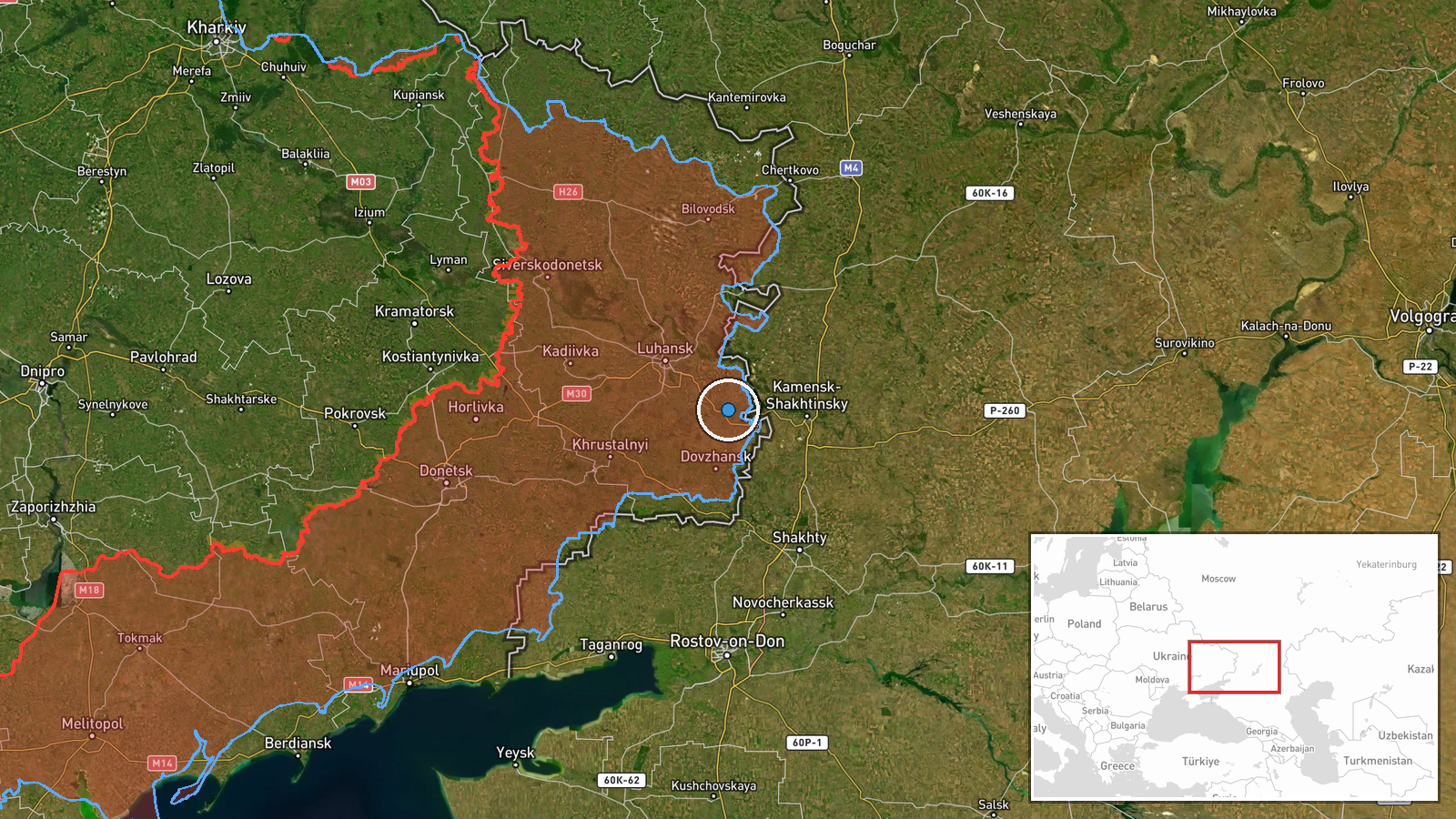
Ukrainian forces conducted an unmanned aerial system (UAS) strike against a Russian repair and recovery facility near Sukhodylivsk in Luhansk Oblast on 10 October. According to the Ukrainian General Staff, the operation targeted enemy logistics and equipment maintenance infrastructure in the area. The strike is part of a broader pattern of Ukrainian drone operations against Russian rear-area assets reported on the same date.
Context and assessment
Sukhodylivsk lies in Russian-controlled territory in Luhansk Oblast, approximately 30 kilometers south of the Russian border. Repair and recovery bases are critical nodes in Russian military logistics, enabling the servicing and return to action of damaged armoured vehicles and equipment. The strike aligns with an established Ukrainian strategy of targeting Russian supply lines and maintenance facilities to degrade operational capacity. On 10 October alone, Ukraine reported strikes on a fuel depot in Donetsk and continued operations against Russian oil infrastructure near Rostov. This sequence suggests a coordinated pressure campaign on Russian logistics and energy assets supporting front-line operations.
Sources and confidence
Reported solely by the Ukrainian General Staff via Telegram. No independent cross-confirmation from other sources is evident. The single-source status and reliance on Ukrainian official channels warrant standard caution, though Ukrainian targeting claims are typically reserved for significant operations. Confidence remains moderate; corroboration from Russian military assessments or additional reporting would raise confidence substantially.
Location
Sukhodylivsk is a small settlement in Russian-controlled Luhansk Oblast, located at approximately 48.35°N, 39.73°E. The area lies in the southeastern portion of the oblast, roughly 30 kilometres south of the Russian border and within territory held by Russian forces. Precision is assessed as settlement-level rather than facility-specific, reflecting the typical granularity of Ukrainian General Staff reporting.
Related events nearby
- Ukrainian forces conducted a UAS strike on a Russian fuel and lubricant storage depot in the Chystyakove area,2026-10-10 12:03 UTC · UAS Strike · Chystyakove, Donetsk Oblast, Ukraine
- Ukraine continues strikes on Russian oil infrastructure. Drone strikes targeted Yuzhnyy Rus oil terminal in Ro2026-10-10 00:41 UTC · UAS Strike · Residential area, Rostov, Rostov Oblast, Russia
- Ukrainian air monitoring: 1 Russian jet-powered Shahed (Geran-3) drone over Donetsk.2026-10-09 13:09 UTC · Drone Transit · Donetsk, Ukraine
- Ukrainian forces struck a Russian military command post in Donetsk with Storm Shadow (Scalp) missiles, killing2026-10-09 15:57 UTC · Cruise Missile · Donetsk Oblast, Ukraine
▶ View this event on the live map

Intel Mapper aggregates open-source reports from monitored Telegram and X channels, geolocates them, cross-checks duplicates across sources and assigns a confidence score. Entries are updated as new confirmations arrive. Read how we verify events.