Ukrainian drones strike Russian personnel positions across four Donetsk locations
What happened
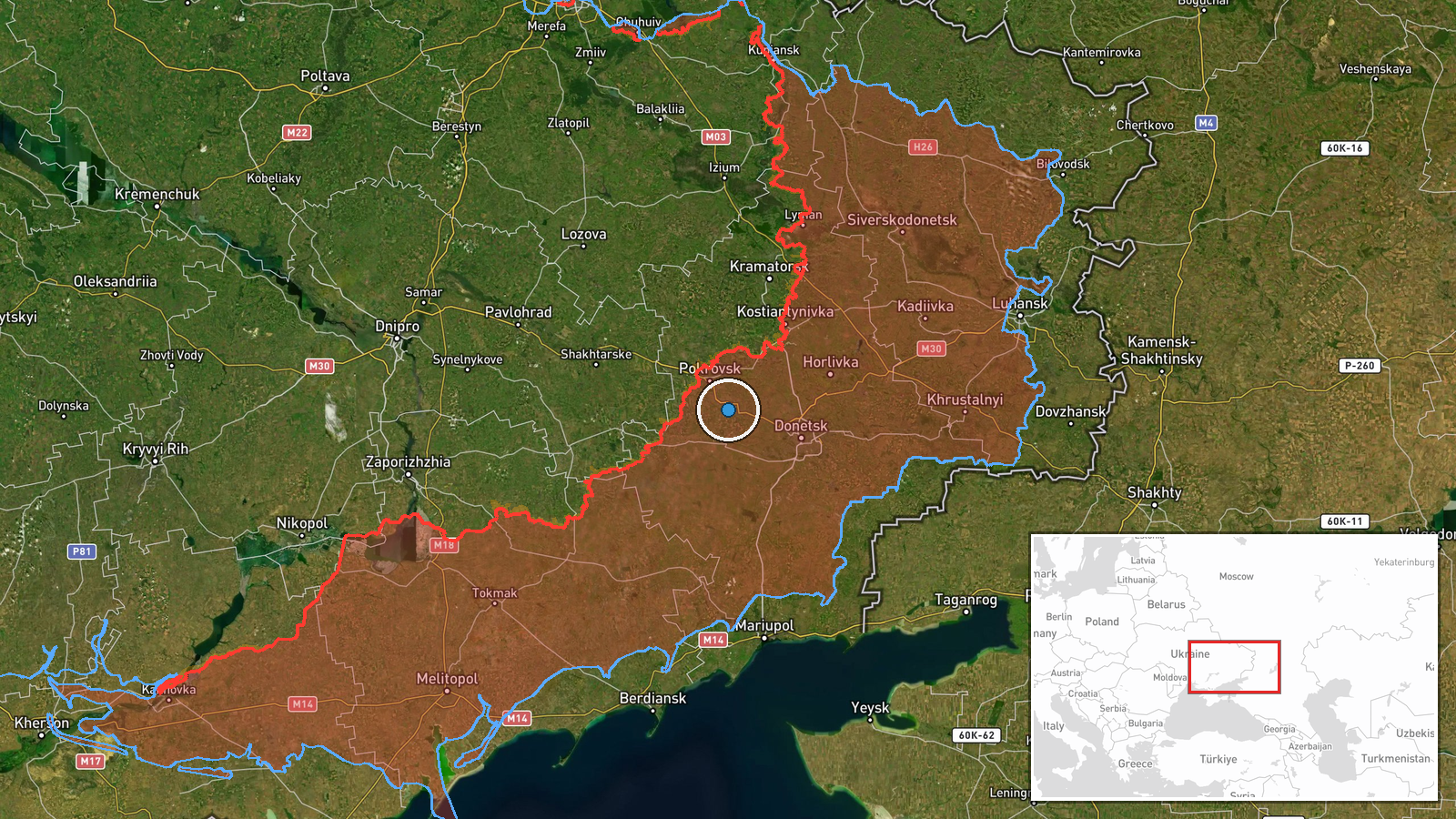
Ukrainian forces conducted unmanned aerial strikes against reported Russian personnel concentrations near Selidove, Rozdolne, Suzhky, and Myrnohrad in Donetsk Oblast on October 13, according to the General Staff of the Armed Forces of Ukraine. The strikes targeted multiple locations across a geographic area in the eastern sector of the oblast. No specific casualty figures or damage assessments were provided in the statement.
Context and assessment
The Selidove area has been a contested zone along the Donetsk front line, with Russian forces attempting advances in the region throughout the recent campaign. These strikes appear part of a consistent Ukrainian pattern of using unmanned systems to target enemy assembly areas and logistics, as evidenced by concurrent drone operations against ammunition depots and forward positions across both Donetsk and Luhansk. The selection of four separate locations suggests Ukrainian intelligence identified distributed Russian force concentrations, possibly staging areas or temporary field positions. Such dispersed targeting indicates continued Ukrainian operational pressure despite ongoing Russian advances in neighboring sectors such as Zaporizhzhia Oblast.
Sources and confidence
Single source reporting from official Ukrainian General Staff Telegram channel. No cross-confirmation from independent observers or Russian sources provided. Confidence level reflects official military channel status but limited independent verification of strike results. Confirmation from satellite imagery, Russian casualty acknowledgments, or third-party OSINT would strengthen assessment.
Location
Four settlements in central Donetsk Oblast: Selidove, Rozdolne, Suzhky, and Myrnohrad. The region sits approximately 80–100 km from the Russian border and comprises part of the contested Donetsk front line. Selidove serves as the primary reference point, located near key infrastructure and transportation corridors critical to the sector.
Related events nearby
- Russian sniper with SVD Dragunov rifle destroyed an enemy FPV drone with a single shot during active combat op2026-10-12 20:00 UTC · UAS Strike · Near Yampil', Donetsk, frontline sector (front lin
- Russian forces advanced (~6 km²) in the Tsvitkove, Zaporizhzhia Oblast, Ukraine sector per DeepState frontline2026-10-12 18:20 UTC · Combat · Tsvitkove, Zaporizhzhia Oblast, Ukraine sector, Uk
- Ukrainian forces struck an ammunition depot in temporarily occupied Rubizhne district, Luhansk Oblast. Part of2026-10-13 08:39 UTC · UAS Strike · Rubizhne, Luhansk Oblast, Ukraine
▶ View this event on the live map

Intel Mapper aggregates open-source reports from monitored Telegram and X channels, geolocates them, cross-checks duplicates across sources and assigns a confidence score. Entries are updated as new confirmations arrive. Read how we verify events.