Ukraine and NATO JATEC unveil AI models to predict Russian drone strikes, plan artillery
What happened
Ukraine's Armed Forces, working with NATO's Strategic Command for Transformation and the Ukraine-NATO Joint Analysis, Training and Education Centre (JATEC), have developed two artificial intelligence models, according to a report posted on the Telegram channel of the Ukrainian General Staff on 18 October 2026 at about 13:43 UTC. The report says the models are meant to forecast strikes by enemy unmanned aerial vehicles near the line of contact and to support planning for the use of Ukrainian artillery. It says both developments were presented at a JATEC seminar at the National Cybersecurity Center in Vilnius, an event focused on modern IT solutions, artificial intelligence and machine learning in analytics. The source text is cut off before it lists participants. It gives no accuracy figures, deployment timelines or performance metrics. The item is classed as a report, not a kinetic event.
Context and assessment
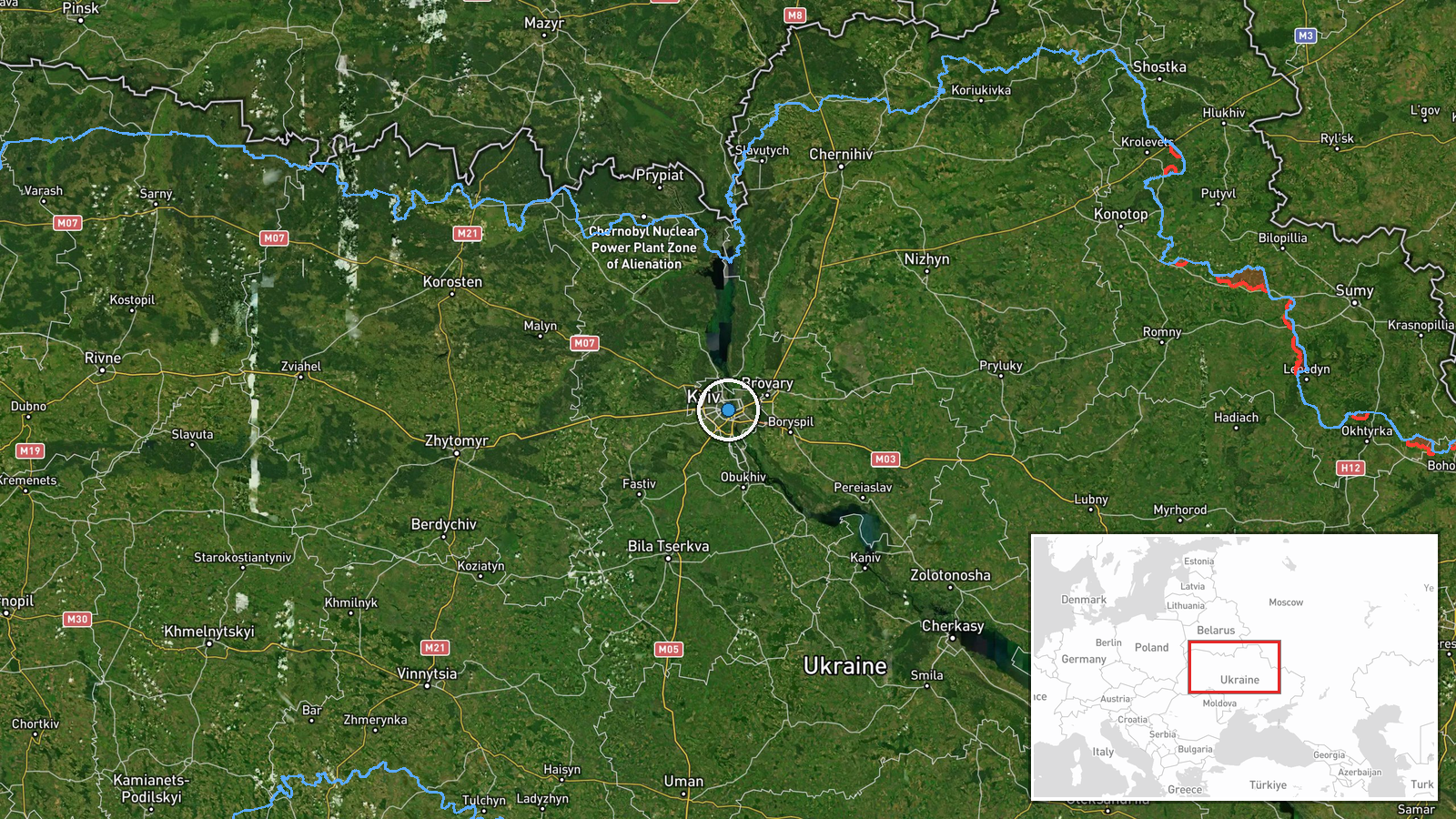
The pin sits on Kyiv because the publishing channel is based there, not because the work was done there. The seminar itself took place in Vilnius, so the location should be read as the origin of the announcement. The timing matters. Earlier the same day, Zelensky said Russia had struck Ukraine's energy and oil and gas sector 76 times since a energy ceasefire announced a week earlier, and had launched about 2,700 attack drones. A single Shahed-type drone was also logged over Kyiv at 07:08. Against that pattern of mass drone use, the reported tools fit a broader push to turn sensor and strike data into earlier warning and faster targeting. A model that anticipates drone approach could help air defence and fire units prioritise responses, while artillery planning tools could shorten the time between detection and fire. Nothing in the data confirms that either model is in service or how it would be integrated. The wider diplomatic and connectivity news, including talk of a trilateral negotiation on the sidelines of the G20 and disputes over Starlink speeds, is related context rather than direct evidence about these systems.
Sources and confidence
All information comes from one channel, the Telegram account @GeneralStaffZSU, and no independent outlet in the dataset repeats it. The confidence score of 8.1 reflects the channel's official standing, the specific attribution to named partners, and the detail about the venue and event. It is held back by the single-source basis and the absence of any NATO or JATEC confirmation in the data. Confidence would rise with a statement from NATO's Strategic Command for Transformation or JATEC, the seminar agenda, or independent coverage of the Vilnius event. It would fall if the claims were shown to be promotional or if no public record of the models or the seminar could be located.
Location
The coordinates are for central Kyiv (50.4501, 30.5234) at settlement precision, reflecting where the Ukrainian General Staff publishes, not the Vilnius seminar venue. Kyiv lies in north-central Ukraine on the right bank of the Dnipro River. It is far from the front line, so any operational use of the models would apply to areas to the east and south, not to the city itself.
Related events nearby
- Zelensky says he hopes Trump will reverse his decisions, calling them mistakes that will harm Ukraine and the 2026-10-18 14:08 UTC · Statement · Kyiv, Ukraine
- Zelensky says US intelligence on Russian ballistic missile launches was withheld for three days, leaving Ukrai2026-10-18 13:59 UTC · Statement · Kyiv, Ukraine
- Zelensky says Putin feels emboldened by sanctions relief, the diesel deal and Starlink restrictions, and urges2026-10-18 13:54 UTC · Statement · Kyiv, Ukraine
- Ukraine says a trilateral negotiation may take place on the sidelines of the G20 summit.2026-10-18 12:05 UTC · Diplomacy · Kyiv, Ukraine
- Zelensky says Russia struck Ukraine's energy and oil and gas sector 76 times since Trump's energy ceasefire a 2026-10-18 08:09 UTC · Statement · Kyiv, Ukraine
▶ View this event on the live map

Intel Mapper aggregates open-source reports from monitored Telegram and X channels, geolocates them, cross-checks duplicates across sources and assigns a confidence score. Entries are updated as new confirmations arrive. Read how we verify events.