Ukraine's General Staff says it struck a radar station near Trubchevsk, Bryansk Oblast
What happened
Ukraine's General Staff reported through its official Telegram channel that Defense Forces units struck a radar station in the Trubchevsk area of Bryansk Oblast, Russia, on 18 October and overnight into 19 October. The Ukrainian-language post does not name the unit, the type of radar, or any damage assessment, and no independent imagery has been cited. The statement presents the strike as part of a method of degrading Russian radar coverage, which it says creates gaps in the enemy's radar picture and weakens its air defense system. According to the post, this would allow Ukrainian drone systems to operate more effectively, from the tactical zone along the front line to military targets deeper inside Russia. The event is logged as a single-source combat report.
Context and assessment
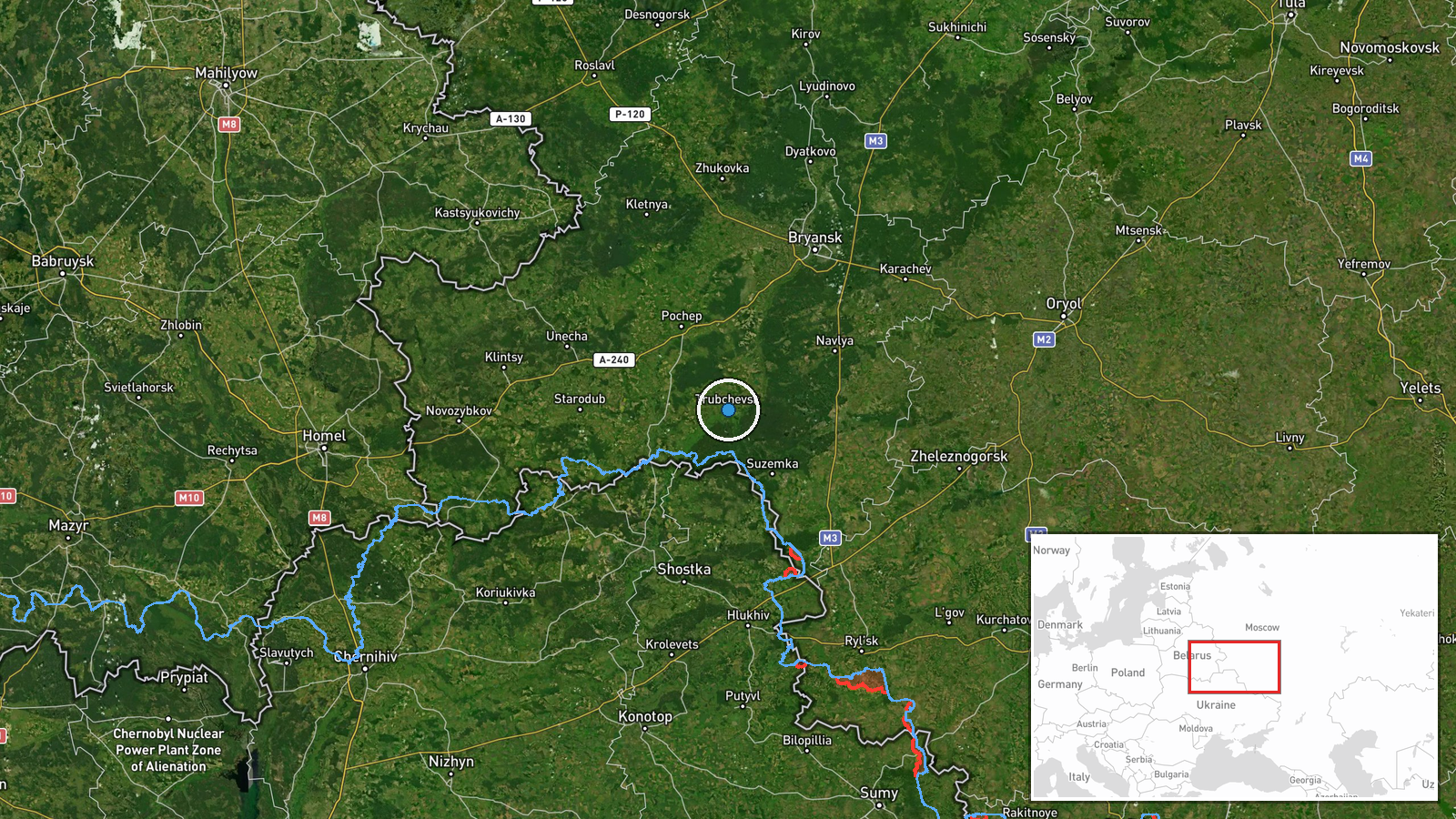
Trubchevsk lies in southwestern Bryansk Oblast, close to the border with Ukraine, which places it within reach of cross-border strike systems. Radar sites matter because early warning and low-altitude surveillance feed air defense decisions. Degrading them can shorten reaction times and open windows for drones and missiles to move through airspace with less interception. The same day, Ukrainian air monitoring logged one Russian ballistic missile over Bryansk, reported at 20:02 on 18 October. That city is a separate location from Trubchevsk, and the data does not link the two events. Still, both reports fall within the same regional window and are consistent with a broader pattern of activity in Bryansk Oblast, where Ukrainian and Russian air and missile operations have been recurring. Operationally, the wording of the statement suggests a campaign against radar and air defense nodes meant to support drone operations along and behind the front. The effect of a single strike cannot be verified from the available data, so the significance of this event depends on whether further reports show a sustained pattern against similar targets.
Sources and confidence
All information comes from one channel, the official Telegram account of Ukraine's General Staff. Such posts are a primary source for Ukrainian claims but are self-reported and typically unverified by independent means. The data shows no cross-confirmation from Russian officials, satellite imagery, geolocated footage, or wire services. The confidence score of 7.4 reflects the official origin of the claim, its specific date and place, and the detail in the wording, tempered by the single source and the lack of corroboration. Confidence would rise with imagery showing damage at the site, a Russian or regional statement acknowledging an attack, or confirmation from a major news agency. It would fall if reporting shows no strike occurred or that the target was a different facility.
Location
Location precision is settlement level, so the marker is centered on Trubchevsk rather than the radar site itself. The exact facility is not shown. Trubchevsk is a small town in southwestern Bryansk Oblast, on the Desna River, close to the Ukrainian frontier. The surrounding area is largely forested and rural, with river floodplain along the Desna. Those features are typical of the region and do not indicate the precise position of the radar installation.
Related events nearby
- Ukrainian air monitoring: 1 Russian ballistic missile over Bryansk (Russia).2026-10-18 20:02 UTC · Ballistic Missile · Bryansk (Russia)
▶ View this event on the live map

Intel Mapper aggregates open-source reports from monitored Telegram and X channels, geolocates them, cross-checks duplicates across sources and assigns a confidence score. Entries are updated as new confirmations arrive. Read how we verify events.