DVB reports Myanmar workers being sent to support Russian army; details unconfirmed
What happened
On 19 October 2026, the Burmese-language channel DVB Digital, relayed through its Telegram account @dvbtvnews, reported that Myanmar workers are being sent to support the Russian army. The headline of the short broadcast, translated, reads roughly as 'Myanmar workers being sent to the Russian military,' and it was posted as part of a one-minute daily news bulletin. The report names Russia as the actor and places the matter in Yangon, though the item does not specify where the workers are being sent from, what roles they would perform, or how they are being recruited. The wording describes the movement as ongoing without giving dates, numbers, or named employers, agencies, or units. Because the item is a brief bulletin rather than a documented investigation, its details remain unverified at the time of writing.
Context and assessment
Reports of Myanmar nationals being channelled toward Russia's war effort, if confirmed, would fit a wider pattern in which Russia has sought labour and manpower from partner and vulnerable countries while its own recruitment has strained under the war in Ukraine. Myanmar is a useful lens because economic hardship, a long-running civil war between the military government and armed resistance groups, and porous migration routes create conditions in which recruiters can operate with little oversight. The most relevant related event in the dataset is a displacement report from the same day describing young people leaving Myanmar after junta conscription calls, citing a lack of domestic security. That linkage matters: if conscription and insecurity are pushing people out, they also widen the pool of individuals who may be receptive to overseas work offers that turn out to be military or support roles. Operationally, the report may indicate a private recruitment or labour-brokerage channel rather than a formal government agreement, but the absence of named intermediaries means this remains a hypothesis. Yangon is a logical reference point given its status as the commercial hub and a major departure point for migrants, though it is not confirmed as the origin of any recruitment.
Sources and confidence
The item traces to one channel, the Telegram account of DVB Digital, a Myanmar-focused broadcaster. No second outlet, official statement, or independent account appears in the record, so cross-confirmation is absent. The 6.8 score reflects an established regional outlet offset by a brief format, no named sources, and no specifics. Confidence would rise with corroboration from other outlets, accounts from workers or families, or recruitment notices and contracts. It would fall if follow-up reporting found no supporting evidence.
Location
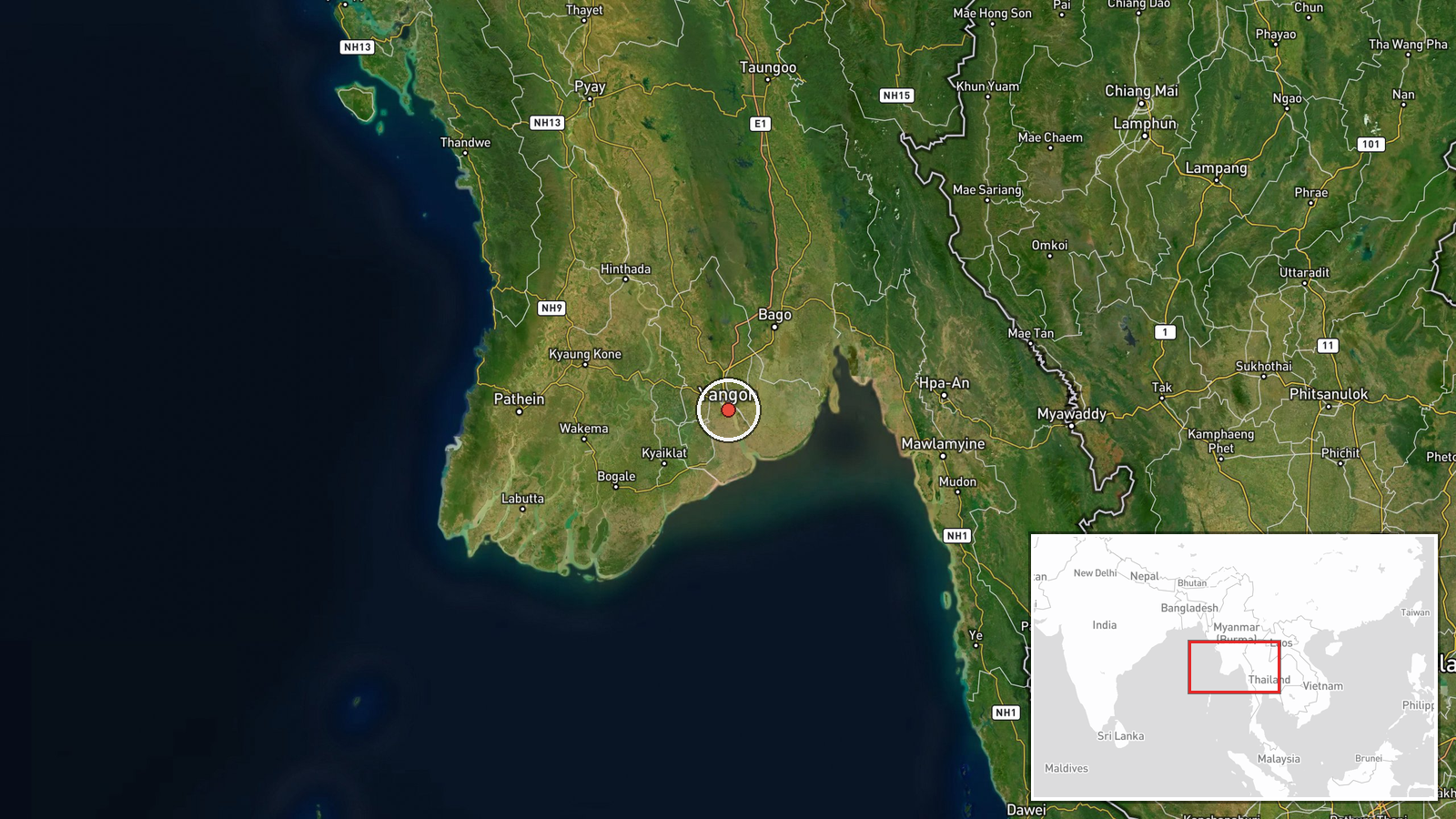
The location is recorded at region level. The coordinates point to Yangon, Myanmar's largest city and former capital, rather than a specific street, settlement of origin, or recruitment site. The marker therefore reflects the reported city rather than confirmed activity. Yangon sits on the Yangon River near the Gulf of Martaban, a low-lying, humid setting with dense urban districts, port facilities, and the Shwedagon Pagoda as a prominent landmark.
Related events nearby
- After junta conscription calls, many young people are leaving Myanmar due to lack of domestic security.2026-10-19 01:55 UTC · Displacement · Myanmar (nationwide)
▶ View this event on the live map

Intel Mapper aggregates open-source reports from monitored Telegram and X channels, geolocates them, cross-checks duplicates across sources and assigns a confidence score. Entries are updated as new confirmations arrive. Read how we verify events.