Ukraine reportedly strikes major Arctic gas facility in Novy Urengoy region
What happened
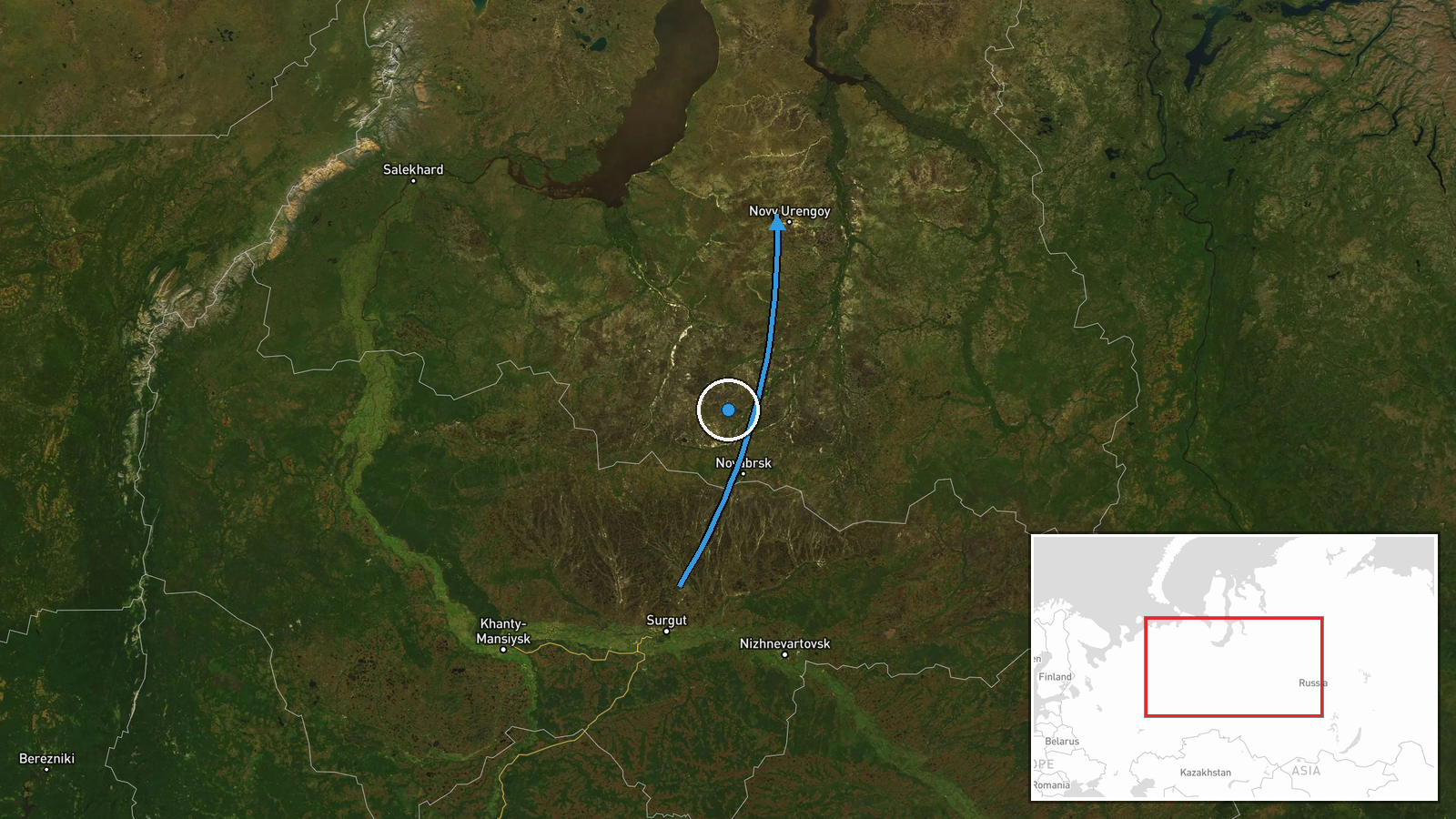
According to a Telegram channel, Ukrainian unmanned aerial systems conducted a strike on the Novy Urengoy Gas Condensate Plant (ZPKT), a Gazprom facility in Russia's Yamalo-Nenets Autonomous Okrug. The source indicates Ukrainian air defense tracked the drone's transit from Surgut toward the target beginning at 11:00 local time on September 9. The facility processes approximately 19.5 million tons of gas condensate annually.
Context and assessment
The Novy Urengoy complex represents critical infrastructure in Russia's Arctic energy sector and a long-standing target category in Ukraine's strike campaign against fuel production and transport networks. Strikes on such facilities may aim to degrade Russia's export revenues and energy supply chains supporting military logistics. The facility's remote Arctic location, roughly 2,500 kilometers from Ukrainian-controlled territory, demonstrates the extended operational range Ukraine has developed for long-endurance drones. Recent pattern data shows continued Ukrainian pressure on Russian gas and oil infrastructure despite geographic distance and air defense presence in the region.
Sources and confidence
Single-source reporting via Telegram channel (@supernova_plus). No cross-confirmation from independent outlets or Ukrainian official sources noted. Confidence score of 6.0 reflects single-channel origin and unverified impact claims. Confirmation by Ukrainian military statements, Russian damage assessments, or secondary reporting would significantly raise confidence. Contradictory reports or facility operational status updates would lower it.
Location
Novy Urengoy Gas Condensate Plant (ZPKT), located in Yamalo-Nenets Autonomous Okrug in northwestern Russia's Arctic region, approximately 2,200 kilometers northeast of Moscow. The facility sits in the West Siberian hydrocarbon zone. Surgut, the reported origination point for drone transit, lies roughly 600 kilometers southwest. Geo-precision marked as facility-level but confidence rated low due to single-source reporting.
▶ View this event on the live map
Intel Mapper aggregates open-source reports from monitored Telegram and X channels, geolocates them, cross-checks duplicates across sources and assigns a confidence score. Entries are updated as new confirmations arrive. Read how we verify events.