Ukrainian missiles strike Slavyansk refinery in Russian Krasnodar Krai
What happened
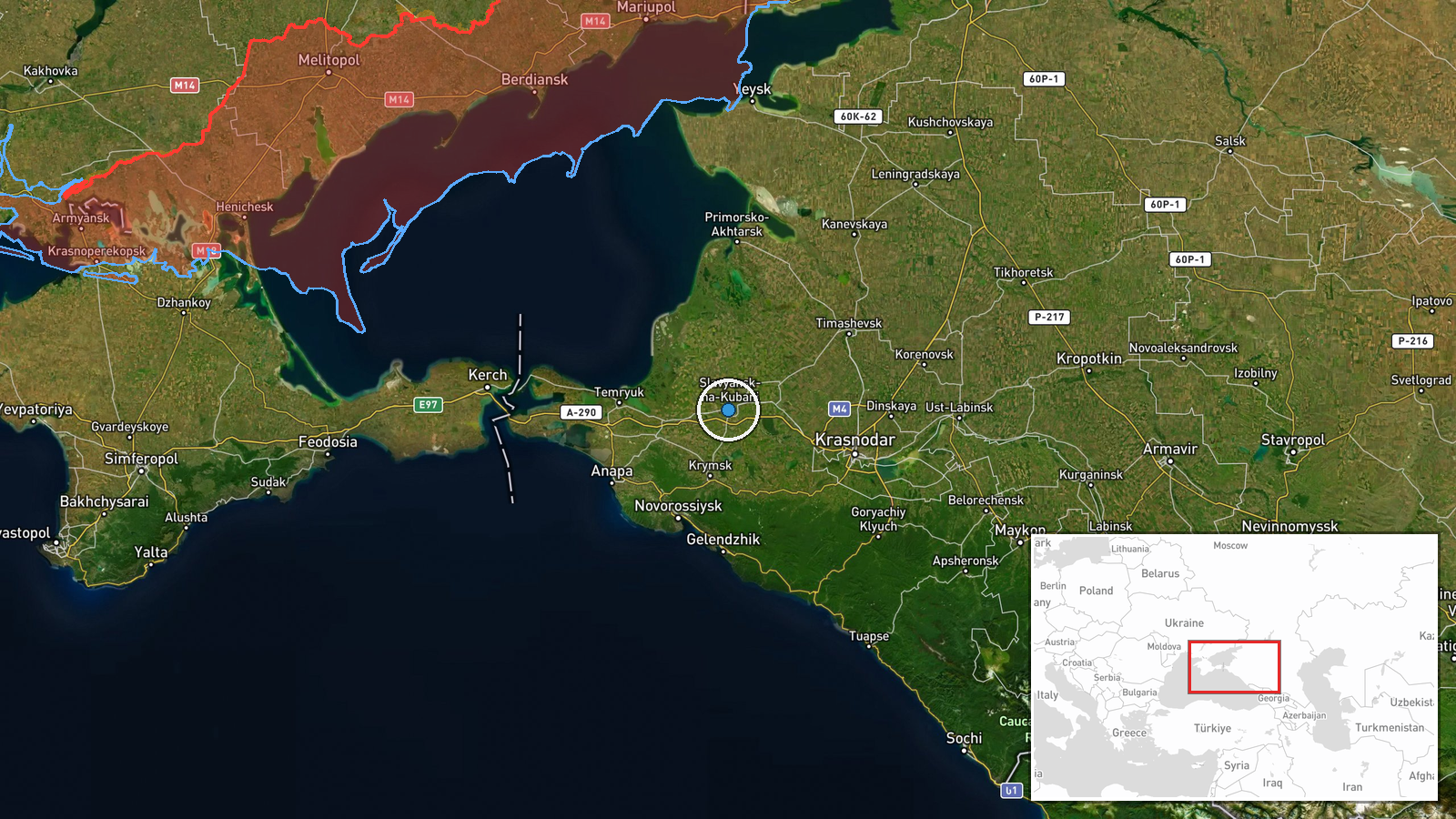
Ukrainian forces reportedly conducted a ballistic missile attack on the Slavyansk Oil Refinery (NPZ) in Slavyansk-na-Kubani, Krasnodar Krai, in the early hours of 13 September 2026. According to the Telegram channel @supernova_plus, the strike achieved objective control of the target with significant damage to the facility reported. The refinery represents a major component of Russian energy infrastructure in the southern federal district.
Context and assessment
The Slavyansk refinery is one of Russia's principal oil processing facilities, located approximately 300 kilometres south of the front lines in Donbas. Ukrainian strikes on Russian energy infrastructure have intensified over 2026, targeting fuel production and distribution networks that supply military logistics. Refineries remain high-priority targets in long-range strike campaigns, as damage to processing capacity constrains fuel availability for sustained military operations. The refinery's location in Krasnodar Krai, relatively deep within Russian territory, suggests Ukraine deployed ballistic systems with extended range. Such attacks typically aim to degrade Russian force mobility and heating capacity ahead of winter operations.
Sources and confidence
Report originates from single Telegram source (@supernova_plus). Confidence score of 6.0 reflects unconfirmed single-source reporting; cross-confirmation from independent sources, Russian official statements, or satellite imagery would substantially increase confidence. Damage assessment claims remain unverified at time of report.
Location
Slavyansk-na-Kubani is a town of approximately 65,000 in Krasnodar Krai, southern Russia, situated near the Kuban River valley. The refinery location is confirmed to settlement-level precision (45.2492°N, 38.1093°E). The facility lies inland approximately 80 kilometres northeast of the Sea of Azov coast, in an industrialised zone central to regional energy production.
▶ View this event on the live map
Intel Mapper aggregates open-source reports from monitored Telegram and X channels, geolocates them, cross-checks duplicates across sources and assigns a confidence score. Entries are updated as new confirmations arrive. Read how we verify events.