Ukrainian strike reportedly destroys seven tanks at Rostov oil terminal in southern Russia
What happened
A Russian-language Telegram channel reported a Ukrainian strike on the Rostov Oil Terminal in Rostov Oblast on October 12, with claims that seven of twelve storage tanks were completely destroyed and one additional tank damaged. The report, posted to @supernova_plus, describes significant loss of fuel storage infrastructure at the facility. No independent confirmation of the strike or damage assessment has been reported.
Context and assessment
The Rostov Oil Terminal serves as a key logistics hub for Russian fuel distribution in southern Russia and to occupied territories in Ukraine. Strikes on Russian energy infrastructure have been a consistent element of Ukrainian operations throughout the conflict, targeting both military logistics and civilian economic capacity. Such attacks on terminal facilities aim to disrupt fuel supplies and impose costs on Russian operations. The scale of reported damage—if confirmed—would represent a significant loss of storage capacity, though the low source count and lack of verification mean the actual extent of destruction remains unclear.
Sources and confidence
Report from single Telegram channel @supernova_plus without cross-confirmation from satellite imagery, Russian officials, or other independent sources. Confidence score of 6.3 reflects reliance on single source and unverified damage claims. Confirmation from satellite imagery, Russian statement, or additional channels would significantly raise confidence. Retraction or contradictory reporting would lower it.
Location
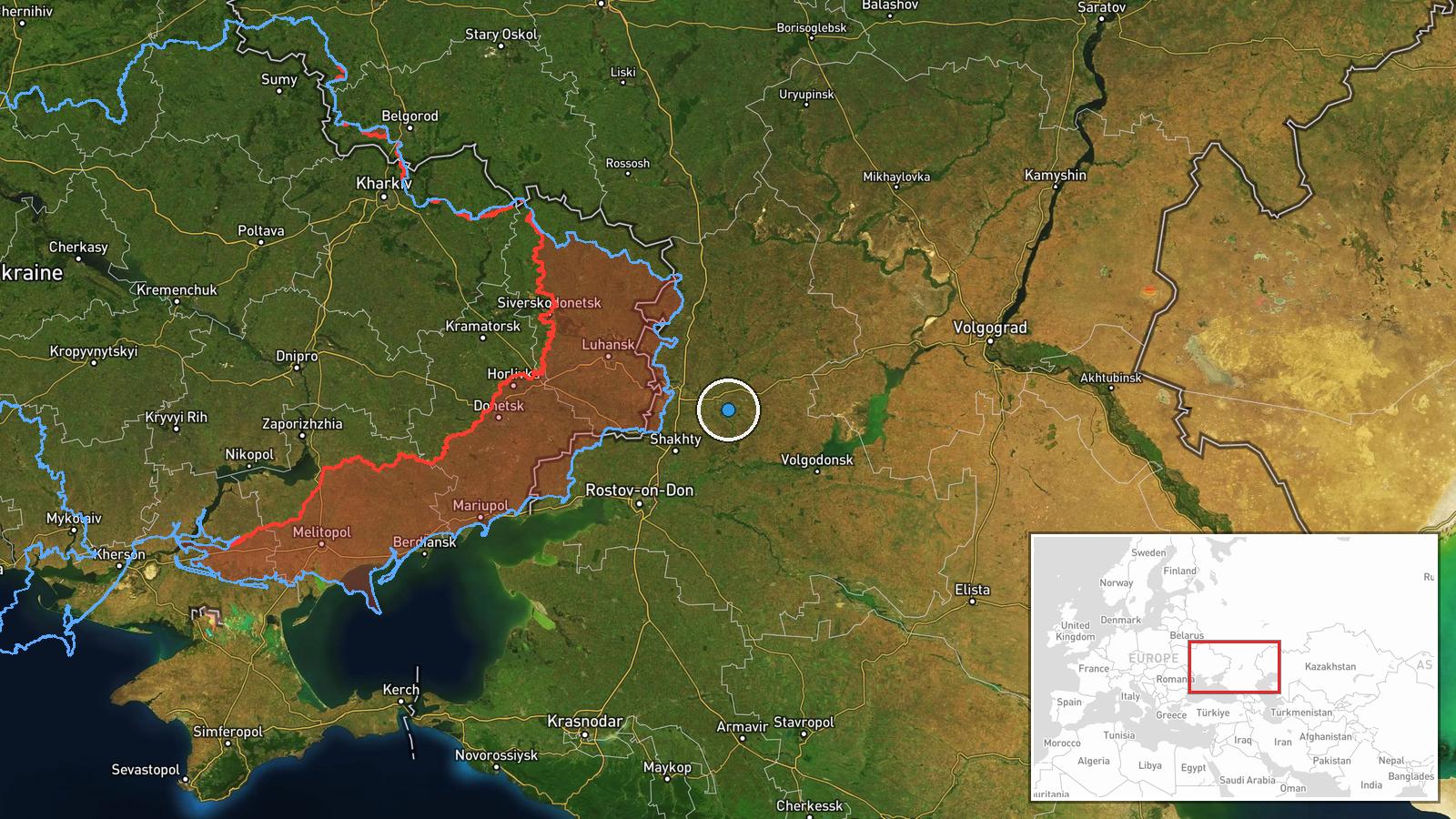
Rostov Oil Terminal located in Rostov Oblast in southern Russia, approximately 15 kilometers from the city of Rostov-on-Don near the Don River. Facility coordinates place it in the region's industrial zone. Geographic precision rated as regional due to reliance on facility-level reporting rather than independent verification.
▶ View this event on the live map

Intel Mapper aggregates open-source reports from monitored Telegram and X channels, geolocates them, cross-checks duplicates across sources and assigns a confidence score. Entries are updated as new confirmations arrive. Read how we verify events.