Ukrainian 413th Regiment strikes Yandex data center in Vladimir Oblast, Russia
What happened
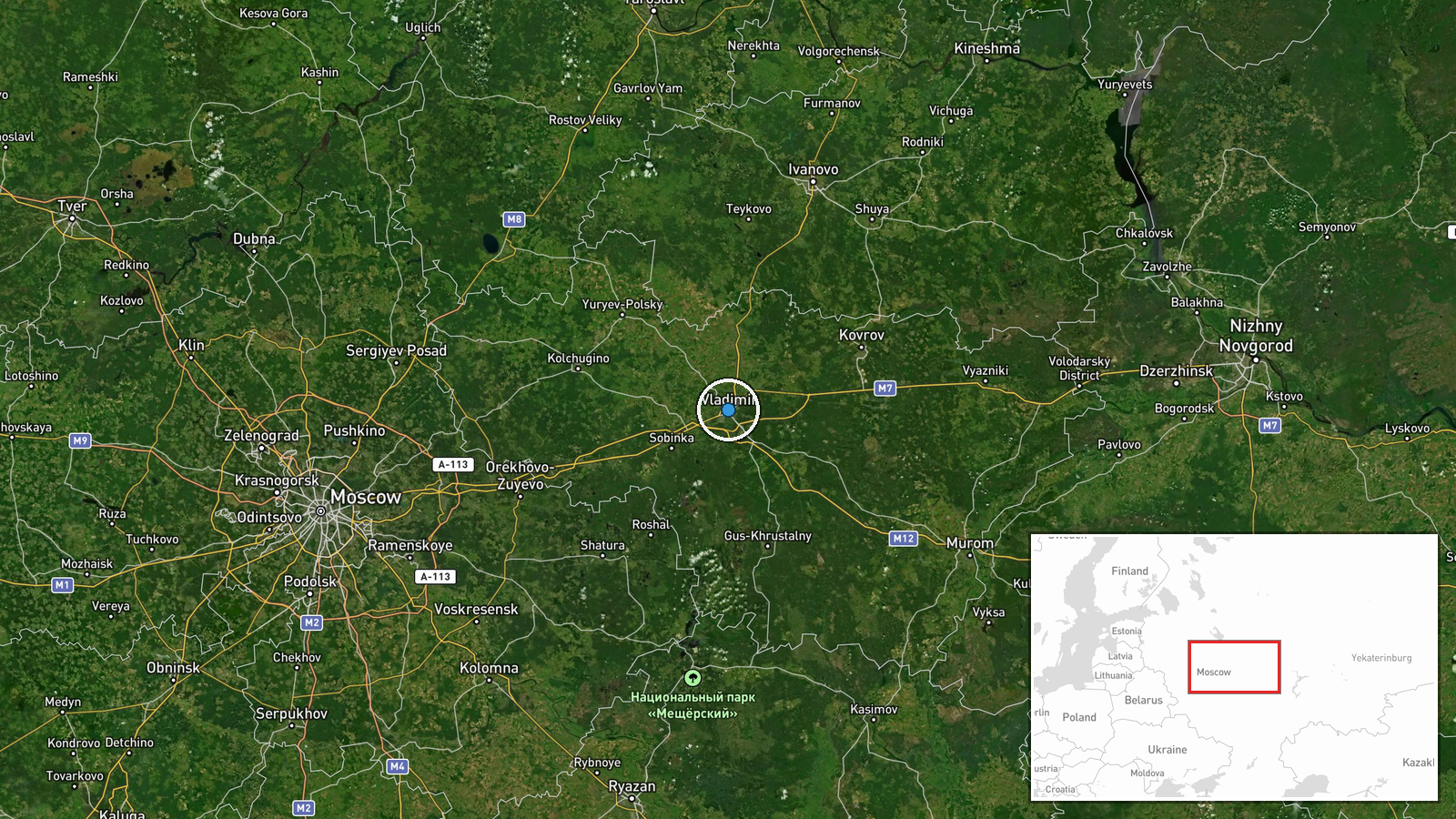
The 413th Regiment 'Raid' of Ukraine's Special Operations Forces reportedly conducted a drone strike against a Yandex data center in Vladimir Oblast, Russia, on the night of October 10–11. The facility, designated 'Vladimir,' is located approximately 600 kilometers from the Ukrainian border. The strike reportedly caused widespread service outages across Yandex systems. Ukrainian officials characterized this as the third Yandex data center targeted in recent operations.
Context and assessment
Yandex operates as a core pillar of Russian internet infrastructure, managing search, email, cloud storage, and other critical services. Its highly centralized data center architecture makes facilities strategically significant targets for disrupting Russian digital services. The targeting of multiple Yandex facilities over a short period suggests a sustained Ukrainian campaign to degrade Russian internet resilience and communications capacity. Such strikes at deep rear infrastructure, hundreds of kilometers from active fighting, represent an expansion of Ukrainian operational reach through long-range drone capabilities and reflect efforts to impose costs on Russian civilian and military digital infrastructure.
Sources and confidence
Reported by Telegram channel @supernova_plus, attributed to the 413th Regiment 'Raid.' Single-source reporting limits independent verification; no cross-confirmation from other Ukrainian military channels or international monitoring groups has been provided. Confidence score of 6.3 reflects Ukrainian source credibility but absence of corroborating reports. Confirmation through Russian service disruption reports or additional Ukrainian military sources would strengthen confidence.
Location
Vladimir city, Vladimir Oblast, approximately 180 kilometers east-northeast of Moscow. The data center's exact location within the city was identified to regional precision. Vladimir Oblast lies in western Russia, well within Russian-controlled territory and far from active combat zones, emphasizing the extended range required for this strike.
▶ View this event on the live map

Intel Mapper aggregates open-source reports from monitored Telegram and X channels, geolocates them, cross-checks duplicates across sources and assigns a confidence score. Entries are updated as new confirmations arrive. Read how we verify events.