Russian source reports detonation at Rostov Oblast fuel terminal
What happened
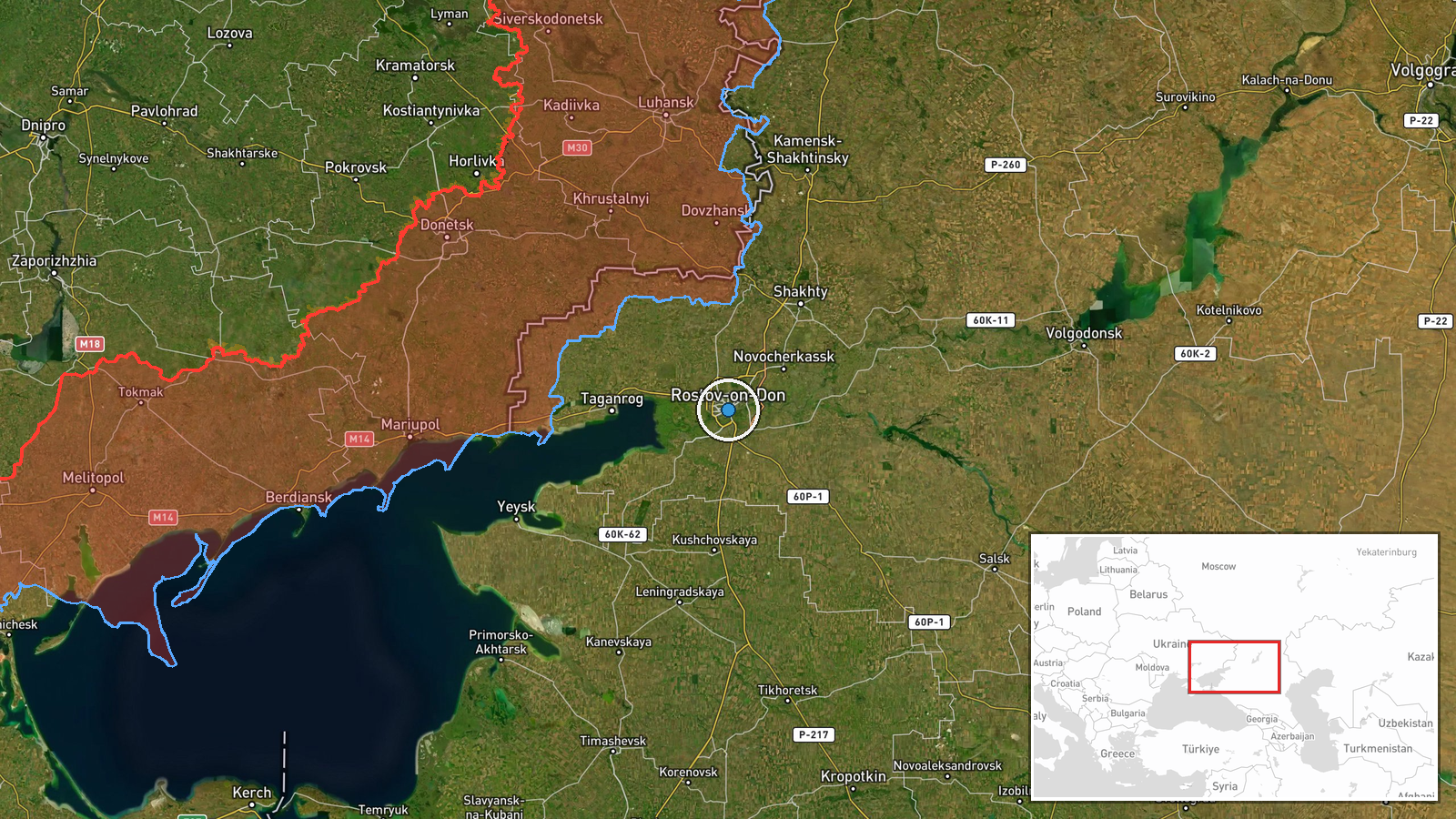
A Russian Telegram channel reported a tank or reservoir detonation at a terminal facility in Rostov Oblast on the evening of October 13. The source text references a reservoir explosion at a terminal, suggesting an impact on fuel or logistics infrastructure. The report does not specify the strike method or provide damage assessment. Attribution to Ukrainian forces is based on the pattern of cross-border strikes on Russian logistics infrastructure in the region.
Context and assessment
Rostov Oblast, located in southern Russia near the Ukraine border, hosts critical fuel storage and distribution infrastructure supporting Russian military operations in Ukraine. Strikes on such facilities disrupt supply chains for frontline forces and rear echelon operations. This incident follows a Ukrainian destruction of a fuel depot in occupied Luhansk on the same day, consistent with a broader operational pattern targeting Russian logistics nodes. Ukrainian long-range capabilities—including drones and missiles—have increasingly reached targets in southern Russia, degrading logistics resilience and forcing dispersal of supply stocks.
Sources and confidence
Single source: Telegram channel @supernova_plus. No cross-confirmation from other channels or independent reporting at time of analysis. Confidence score reflects limited sourcing; verification would require additional independent reports, geolocated imagery, or Russian military statements. Russian official denial or silence would not lower confidence if corroborating visual evidence emerges.
Location
Rostov Oblast, in southwestern Russia approximately 650 km southeast of Moscow, bordering Ukraine's Luhansk and Donetsk regions. The coordinates (47.22°N, 39.72°E) place the reported incident in the region; geo-precision is regional rather than precise facility-level. The area contains multiple petroleum terminals and logistics hubs supporting southern Russian military operations.
Related events nearby
- Ukrainian forces destroyed a fuel and lubricant storage depot in temporarily occupied Dovzhanskyi District, Lu2026-10-13 08:38 UTC · UAS Strike · Dovzhanskyi District, Luhansk Oblast, Ukraine
▶ View this event on the live map

Intel Mapper aggregates open-source reports from monitored Telegram and X channels, geolocates them, cross-checks duplicates across sources and assigns a confidence score. Entries are updated as new confirmations arrive. Read how we verify events.