Russian Kalibr cruise missiles transit toward Mykolaiv Oblast in ongoing strike
What happened
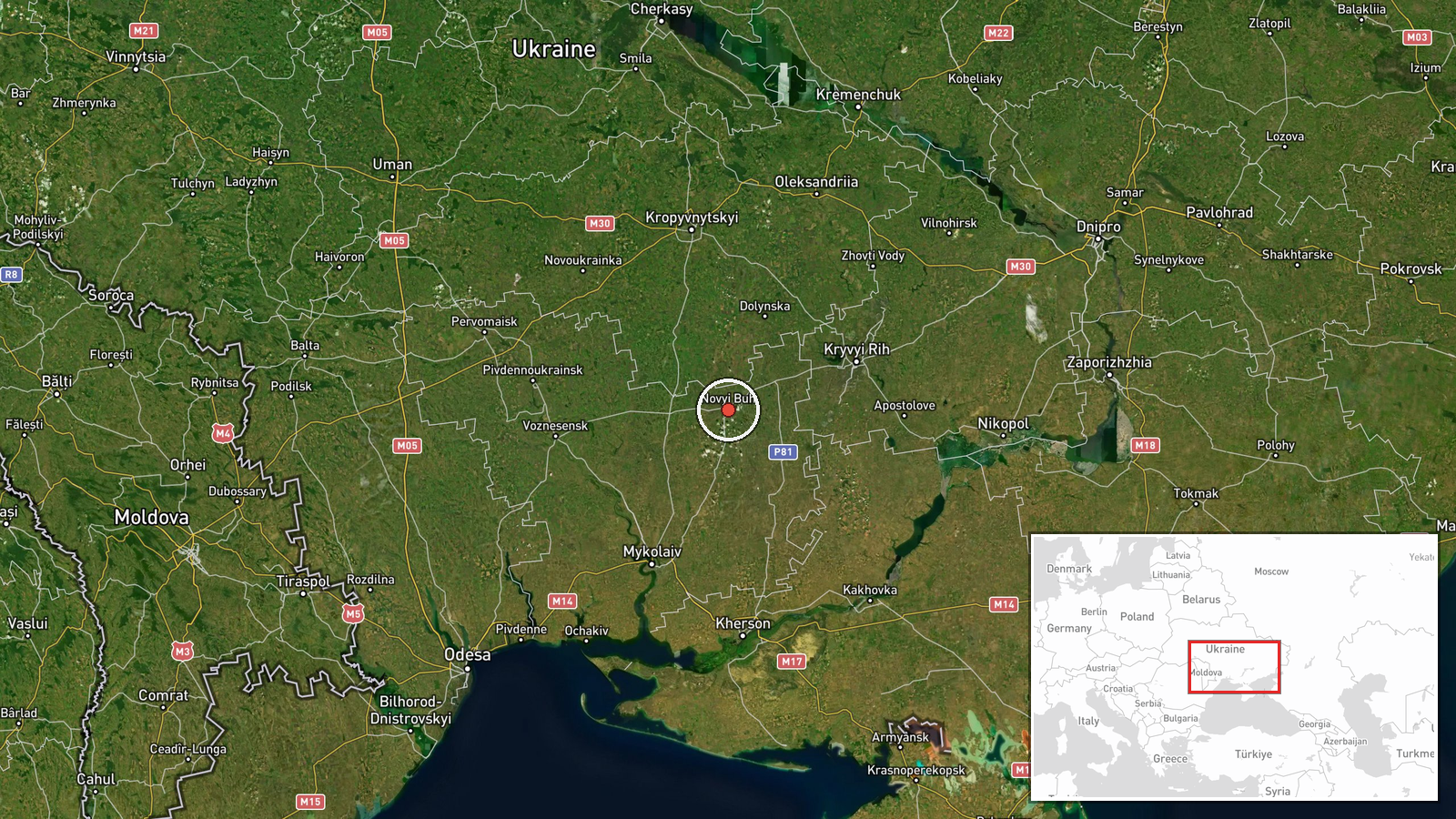
A group of Russian Kalibr cruise missiles entered Ukrainian airspace over Kherson Oblast on August 31 at 23:05 UTC, reportedly heading toward Novy Buh in Mykolaiv Oblast. The alert was issued by the Telegram channel @war_monitor, which monitors air defense activities and missile transits. The missiles appear to have originated over the Black Sea, consistent with typical Russian naval strike operations from that theater.
Context and assessment
Novy Buh lies in southern Mykolaiv Oblast, a region that has experienced sustained Russian cruise missile pressure throughout the conflict, particularly from Black Sea-based platforms. This transit follows an earlier alert the same evening regarding Kalibr missiles transiting over the same general area toward Kropyvnytskyi in Kirovohrad Oblast, suggesting a coordinated multi-target strike operation. Such repeated cruise missile launches indicate Russia may be attempting to strike infrastructure, military installations, or logistical nodes in central-southern Ukraine. The continued reliance on Black Sea-launched systems reflects Russia's strategy to strike deep into Ukrainian territory while minimizing exposure of aircraft to air defense.
Sources and confidence
Reported by Telegram channel @war_monitor, a monitoring source tracking Ukrainian air defense alerts and missile activity. Single-source reporting limits independent verification; confidence is moderate. Cross-confirmation from official Ukrainian air force or SBU statements would strengthen confidence. Corroboration with related events from the same evening and historical pattern consistency support the assessment.
Location
Novy Buh, a settlement in central Mykolaiv Oblast in southern Ukraine, approximately 140 kilometers inland from the Black Sea coast. The town lies near the Ingul River and serves as a regional administrative center. The origin point is indicated as the Black Sea, consistent with the reported flight path transiting through Kherson Oblast airspace.
Related events nearby
- One group of Russian Kalibr cruise missiles transiting over Novy Buh toward Kropyvnytskyi district. Continuati2026-08-31 22:44 UTC · Cruise Missile · Kropyvnytskyi, Kirovohrad Oblast, Ukraine
▶ View this event on the live map
Intel Mapper aggregates open-source reports from monitored Telegram and X channels, geolocates them, cross-checks duplicates across sources and assigns a confidence score. Entries are updated as new confirmations arrive. Read how we verify events.