Russian ballistic missile reported striking Odesa in early morning attack
What happened
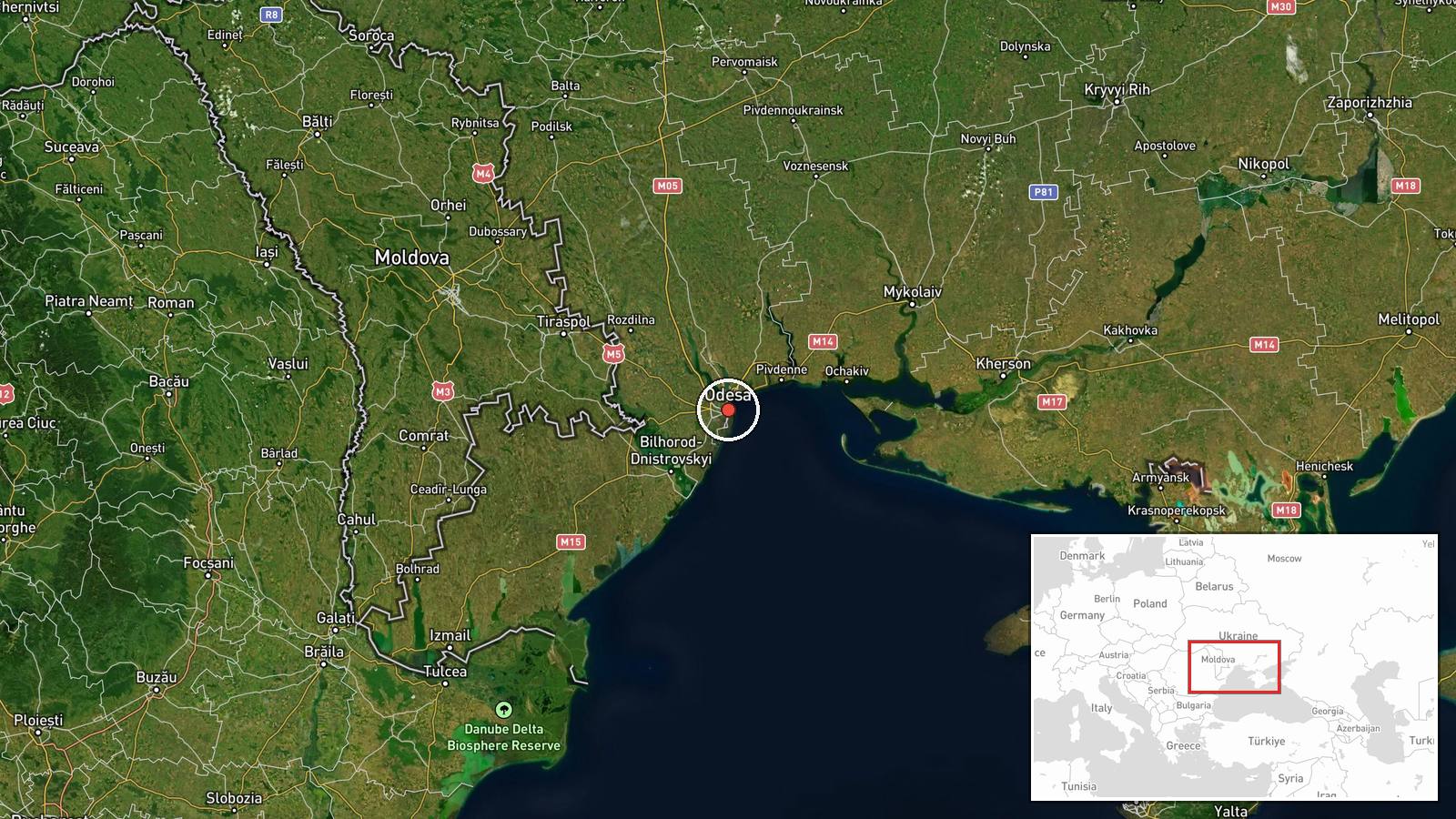
A Russian ballistic missile reportedly impacted Odesa in the early hours of 1 September, according to a Telegram monitoring channel. The report notes explosions and indicates that civilian infrastructure was likely affected. The attack follows a series of strikes and drone transits against the city over the preceding day, including guided aerial bombs and kamikaze drone activity on 31 August.
Context and assessment
Odesa, Ukraine's primary southern port city on the Black Sea coast, remains a recurring target in Russia's sustained air campaign against Ukrainian civilian and military infrastructure. The reported strike is consistent with a pattern of intensified Russian pressure on the city: within the preceding 12 hours, Ukrainian air defenses tracked incoming Shahed-variant drones and recorded at least one guided bomb impact in central Odesa and the port district. The sequence suggests a continued Russian effort to disrupt port operations, damage civilian morale, and degrade infrastructure. Such repeated strikes over short intervals may indicate Russian attempts to overwhelm air defenses or to sustain pressure during a particular operational phase.
Sources and confidence
Reported by a single Telegram channel (@war_monitor) specializing in military monitoring. Confidence remains moderate (6.0/10) due to single-source confirmation; cross-verification from Ukrainian official channels or multiple independent monitors would strengthen assessment. Raising confidence would require corroboration from territorial defense statements or satellite imagery; casualty or damage confirmation from official sources would provide fuller picture.
Location
Odesa city center, Odesa Oblast, on Ukraine's southwestern Black Sea coast. The coordinates (46.48°N, 30.73°E) place the impact in or near the urban settlement proper. Odesa is a major commercial and strategic hub; nearby features include the central harbor complex and port infrastructure to the south and east, making civilian and economic targets concentrated in the immediate area.
Related events nearby
- Two Russian reactive (jet-powered) Shahed-variant kamikaze drones tracked in flight toward Odesa city. Transit2026-08-31 23:10 UTC · Drone Transit · Odesa, Odesa Oblast, Ukraine
- One Russian guided aerial bomb (UMPC-equipped KAB) struck central Odesa and port area. No immediate casualty f2026-08-31 20:22 UTC · Ballistic Missile · Odesa, Odesa Oblast, Ukraine
- Ukrainian air monitoring detected one reactive jet-powered UAV (Shahed-136 variant) transiting over Usatove in2026-08-31 08:36 UTC · Drone Transit · Usatove, Odesa Oblast, Ukraine
▶ View this event on the live map
Intel Mapper aggregates open-source reports from monitored Telegram and X channels, geolocates them, cross-checks duplicates across sources and assigns a confidence score. Entries are updated as new confirmations arrive. Read how we verify events.