Six Russian Shahed-136 drones tracked transiting toward Kyiv Oblast from Slavutych
What happened
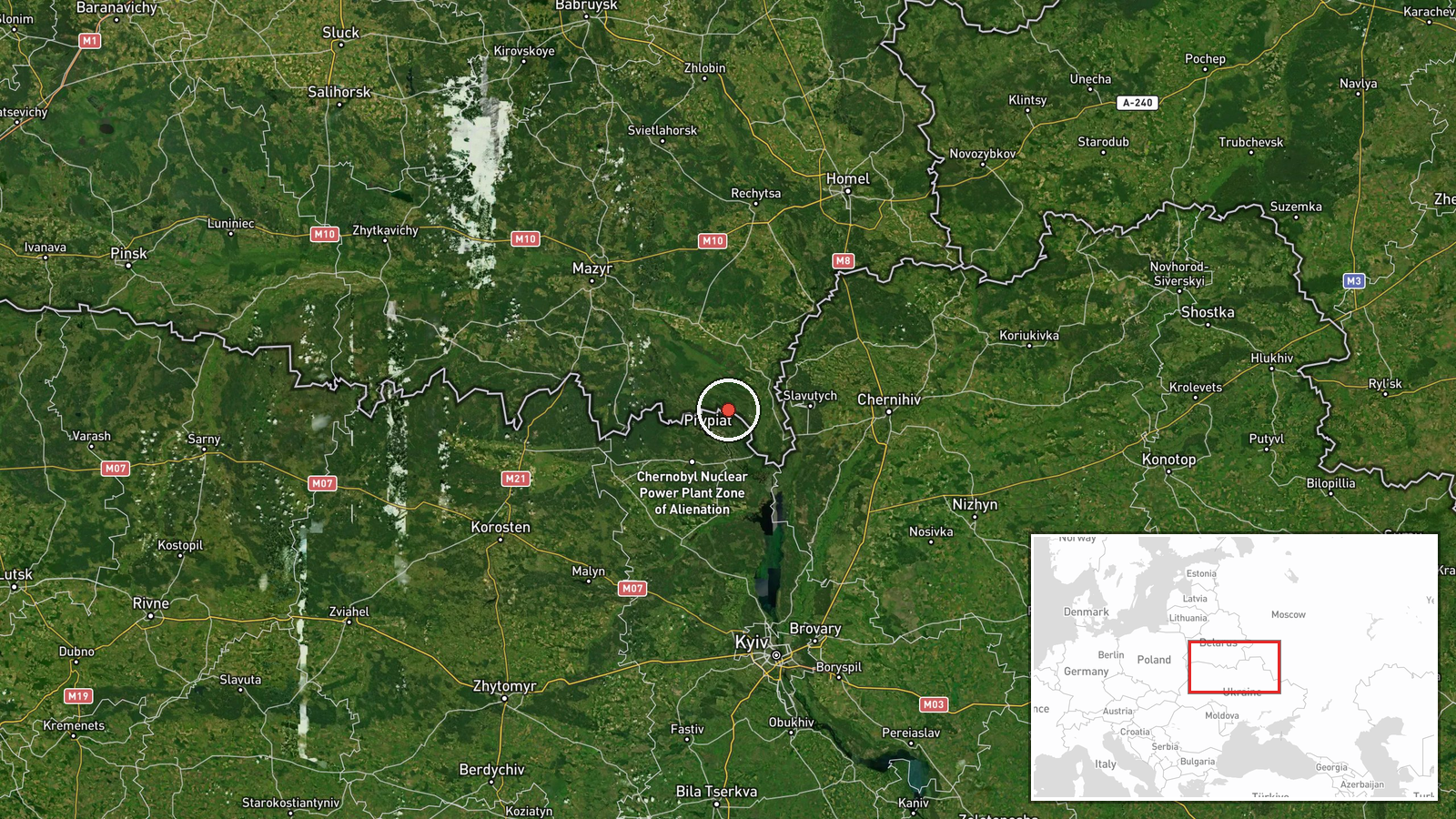
On 2 September at 15:41 UTC, six Russian Shahed-136 reactive kamikaze drones were detected in transit from Slavutych, in Chornobyl Raion, moving toward Kyiv Oblast. Air defense alerts were issued to the civilian population. The detection was reported by the Telegram channel @war_monitor, which noted the drones' trajectory and type without specifying targets or outcomes.
Context and assessment
Slavutych lies north of Kyiv near the Chornobyl exclusion zone, positioning it as a transit corridor for Russian drone strikes originating from Belarusian or Russian airspace. Multiple Shahed transits were logged over Kyiv Oblast on 2 September alone—including separate detections near Borodianka, Dimer, and along the Kyiv Reservoir—suggesting a sustained campaign against targets in the capital region. The Shahed-136, a long-range loitering munition with a jet engine, is routinely employed against infrastructure and populated areas. The concentration of detections indicates either a coordinated multi-vector attack or individual strikes routed through overlapping corridors.
Sources and confidence
Single source: Telegram channel @war_monitor. No cross-confirmation from official Ukrainian military or intelligence channels noted in available reports. Confidence level (6/10) reflects single-source reporting and lack of corroborating claims about impact. Confirmation by multiple independent Ukrainian sources or video evidence of interception would raise confidence; failure to detect subsequent impacts in Kyiv Oblast would lower it.
Location
Slavutych, a settlement in Chornobyl Raion approximately 100 kilometers north-northeast of central Kyiv. Located at the northern boundary of Kyiv Oblast near the Chornobyl exclusion zone and close to the Belarus border. Geo-precision classified as regional; drones were in transit, not stationary. Nearby features include the Kyiv Reservoir to the south and multiple population centers along the inbound route toward the capital.
Related events nearby
- Two Russian Shahed reactive (jet-powered) kamikaze drones tracked transiting past Dimer toward Borodianka in K2026-09-02 04:09 UTC · Drone Transit · Dimer, Kyiv Oblast, Ukraine
- Ukrainian Defense Forces struck enemy weapons and military equipment concentration in Rechitsa, Bryansk Oblast2026-09-02 13:15 UTC · UAS Strike · Rechitsa, Gomel Oblast, Belarus
- Russian Shahed reactive (jet-powered) kamikaze drones tracked in transit from Chernihiv Oblast toward Kyiv Obl2026-09-02 02:33 UTC · Drone Transit · En route: Chernihiv Oblast → Kyiv Oblast, Ukraine
- Two Russian Shahed-136 reactive (jet-powered) kamikaze drones detected transiting over Kyiv Oblast: 1 drone to2026-09-02 15:41 UTC · Drone Transit · Kyiv Oblast, Ukraine
- Three Russian Shahed reactive (jet-powered) kamikaze drones tracked in transit over Kyiv Oblast: one near Boro2026-09-02 02:32 UTC · Drone Transit · Kyiv Oblast, Ukraine
▶ View this event on the live map
Intel Mapper aggregates open-source reports from monitored Telegram and X channels, geolocates them, cross-checks duplicates across sources and assigns a confidence score. Entries are updated as new confirmations arrive. Read how we verify events.