Two Russian Shahed drones tracked transiting Kyiv Oblast near Kaharlyk
What happened
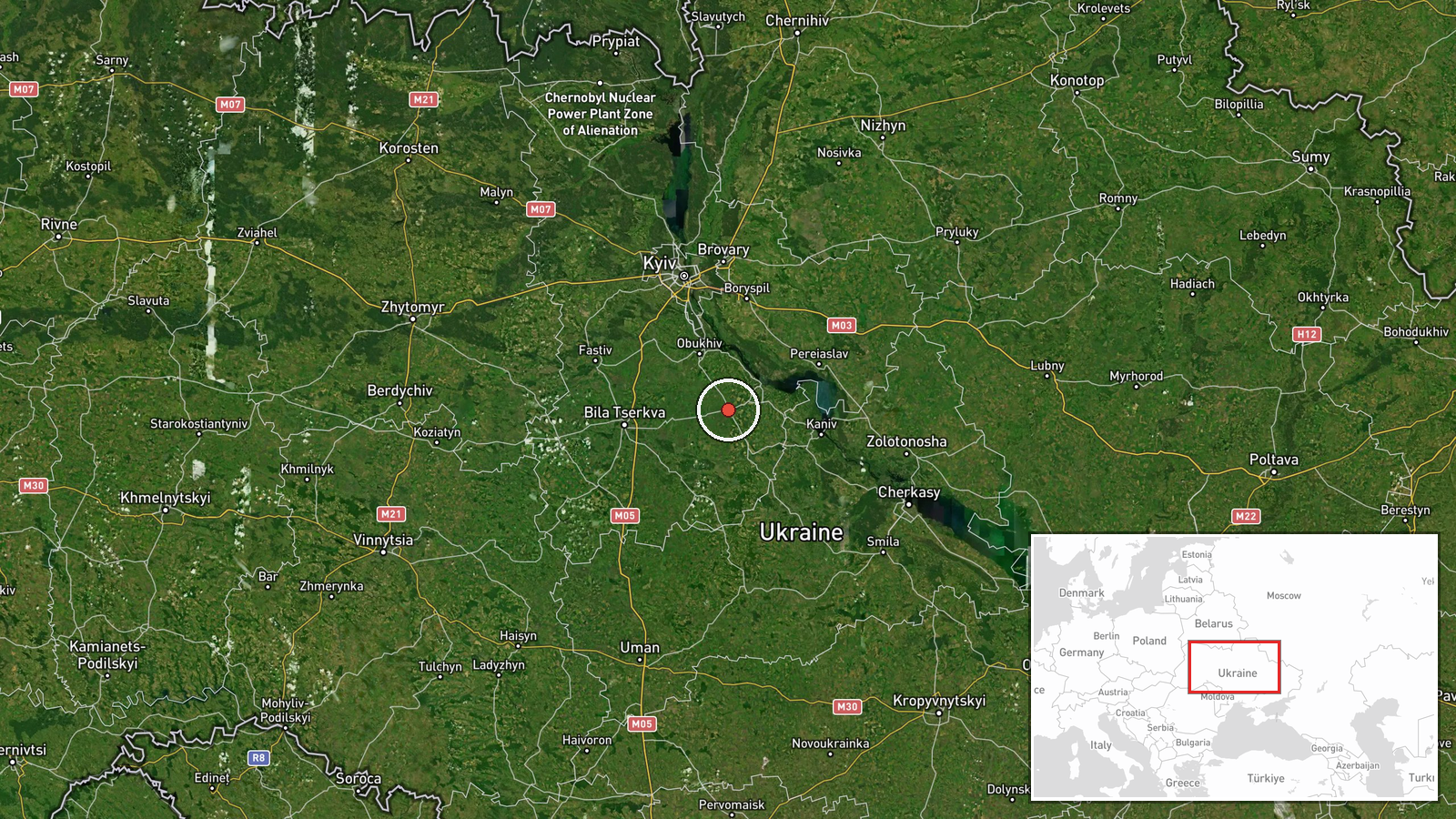
Ukrainian air monitoring detected two Russian reactive unmanned aerial vehicles of Shahed variant transiting the Kaharlyk sector in Kyiv Oblast on 3 September at 05:11 UTC. The detection was reported via Telegram by the war_monitor channel. The drones were tracked during their transit, consistent with ongoing Russian drone operations across the region targeting civilian infrastructure in central Ukraine.
Context and assessment
Kaharlyk lies approximately 40 kilometers south of Kyiv in the densely populated Kyiv Oblast. The report reflects a sustained pattern of Russian drone transits across central Ukraine, with multiple Shahed-variant aircraft detected over nearby sectors of Kyiv and Cherkasy oblasts within hours—including simultaneous reports from Kaniv and Chigiryn to the southeast. These reactive, jet-powered drones typically operate on longer-range missions toward high-value targets in the Kyiv metropolitan area or critical infrastructure nodes. The frequency and geographic spread of these transits suggest a coordinated campaign rather than isolated incidents.
Sources and confidence
Reported by a single Telegram channel (@war_monitor) specializing in Ukrainian air-defense monitoring. No cross-confirmation from secondary sources or official Ukrainian statements in available data. Confidence scored at 6.0 out of 10, reflecting single-source reporting and lack of independent corroboration. Confidence would increase with official SBU or military confirmation or multiple independent channel reports of the same transit.
Location
Kaharlyk is a town in central Kyiv Oblast, approximately 40 kilometers south-southwest of central Kyiv. The settlement is located in a flat, agricultural region of central Ukraine. Precision is set to settlement level with high confidence based on named geographic reference. Nearby features include the Dnieper River valley to the west and transport corridors linking Kyiv to southern Ukraine.
Related events nearby
- Ukrainian air monitoring detected 2 Russian reactive (Shahed-variant) UAVs transiting over Kaniv-Bohuslav sect2026-09-03 05:06 UTC · Drone Transit · Kaniv, Cherkasy Oblast, Ukraine
- Ukrainian MiG-29MU1 fighter jet shoots down Russian S-8000 Banderol cruise missile using R-60 air-to-air missi2026-09-03 20:20 UTC · Aircraft Shootdown · Kyiv, Ukraine
- Russian reactive (Shahed) drone struck Brovary, Kyiv Oblast. Single drone detected and engaged over the city.2026-09-04 02:05 UTC · UAS Strike · Brovary, Kyiv Oblast, Ukraine
- Ukrainian air monitoring reports no active strategic aviation or drone strikes over Ukrainian territory as of 2026-09-03 21:03 UTC · Siren · Ukraine (Nationwide)
- Ukrainian air defense intercepted/suppressed 135 Russian aerial targets overnight (18:00 Sep 2 – 08:30 Sep 3):2026-09-03 05:48 UTC · Air Defense · Ukraine (Nationwide)
▶ View this event on the live map
Intel Mapper aggregates open-source reports from monitored Telegram and X channels, geolocates them, cross-checks duplicates across sources and assigns a confidence score. Entries are updated as new confirmations arrive. Read how we verify events.