Russian cruise missile transits Dnipro as strikes on industrial targets continue
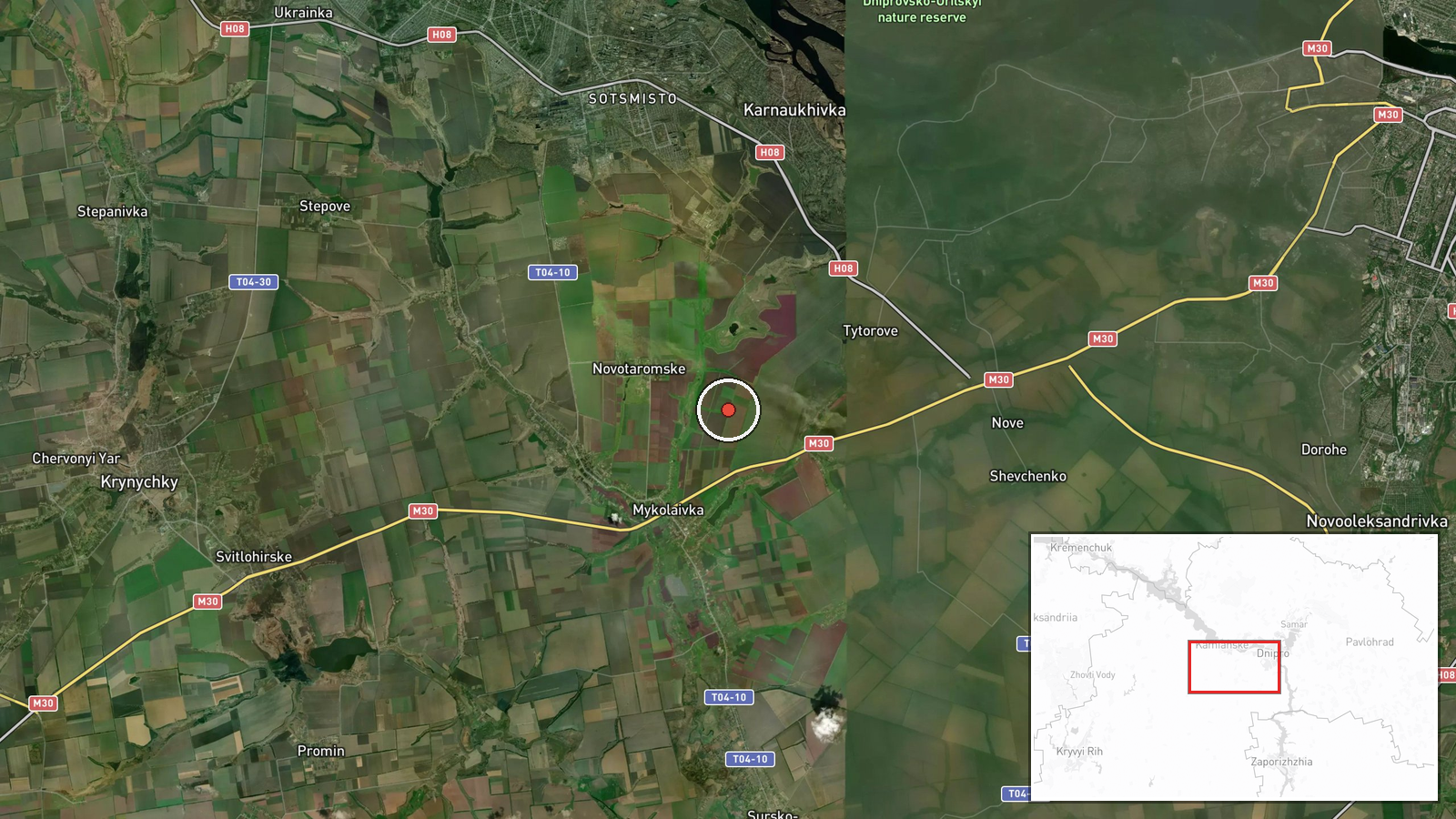
What happened
Ukrainian air defense monitoring reported detection of one Russian Banderol cruise missile transiting over Dnipro in Dnipropetrovsk Oblast on 5 September at approximately 23:05 UTC. The report came from a single Telegram channel (@war_monitor) focused on conflict monitoring. No immediate impact or interception was reported in the available source material.
Context and assessment
The detection occurred during an intensifying pattern of Russian strikes against Dnipropetrovsk Oblast's industrial and defense infrastructure. Earlier on 5 September, Russian ballistic missiles struck the Kametstal Metallurgy Plant in Kamyanske, while reactive (jet-powered) kamikaze drones targeted a UAV manufacturing facility in Dnipro itself. These attacks reflect a sustained Russian campaign against Ukraine's remaining defense production capacity and heavy industry. Dnipro, a major industrial hub and regional center, has become a recurring target. The sequential use of ballistic missiles, kamikaze drones, and cruise missiles suggests a coordinated multi-vector assault designed to degrade both military production and civilian infrastructure resilience.
Sources and confidence
Reported by a single Telegram channel (@war_monitor), a dedicated conflict monitoring account. The single-source reporting and lack of cross-confirmation from official Ukrainian air defense statements or multiple independent channels accounts for the moderate confidence score of 6.0. Confirmation from official Kyiv or regional military administration channels, or reports of visible interception attempts, would strengthen confidence. Retraction or contradictory reports would lower it.
Location
Dnipro city and surroundings, Dnipropetrovsk Oblast in east-central Ukraine, approximately 380 km southeast of Kyiv. The oblast borders the Donbas conflict zone to the east. Dnipro serves as a major industrial center on the Dnipro River and hosts critical defense manufacturing. Coordinates place the report in the city proper.
Related events nearby
- Multiple Shahed-variant 'Banderoль' (reactive/jet-propelled) courier drones detected in transit over Dnipro an2026-09-06 12:35 UTC · Drone Transit · Dnipro, Dnipropetrovsk Oblast, Ukraine
▶ View this event on the live map
Intel Mapper aggregates open-source reports from monitored Telegram and X channels, geolocates them, cross-checks duplicates across sources and assigns a confidence score. Entries are updated as new confirmations arrive. Read how we verify events.