Russia redeploys Tu-95MS bombers from Far East to western base
What happened
Ukrainian military intelligence reported on September 7 that Russia moved four Tu-95MS strategic bombers from Ukrainka air base in the Far East (Amur Oblast) to Oleniya air base in western Russia (Arkhangelsk Oblast). According to the Ukrainian assessment, this redeployment indicates preparation for a combined missile attack. The report was posted via the Telegram channel @war_monitor.
Context and assessment
Oleniya air base in Arkhangelsk Oblast lies roughly 800 kilometers from Ukraine's northwestern border and serves as a launch point for long-range air operations. The Tu-95MS is a turboprop strategic bomber typically used to deliver Kh-101 and Kh-555 cruise missiles at standoff range. Redeploying bombers westward from Russia's Far Eastern bases would shorten flight times to Ukrainian targets and concentration at forward bases often precedes coordinated strikes. This movement, if confirmed, would fit a pattern of Russian preparation for renewed large-scale missile campaigns against Ukrainian infrastructure, though the single-source report and lack of independent confirmation warrant caution in assessment.
Sources and confidence
Reported solely by Telegram channel @war_monitor on September 7. No cross-confirmation from other open-source channels or independent verification is noted. Confidence score of 6.0 reflects single-source reporting and low location confidence. Confirmation through satellite imagery, additional independent channels, or Ukrainian military statements would strengthen confidence; contradictory reports or lack of follow-up activity would lower it.
Location
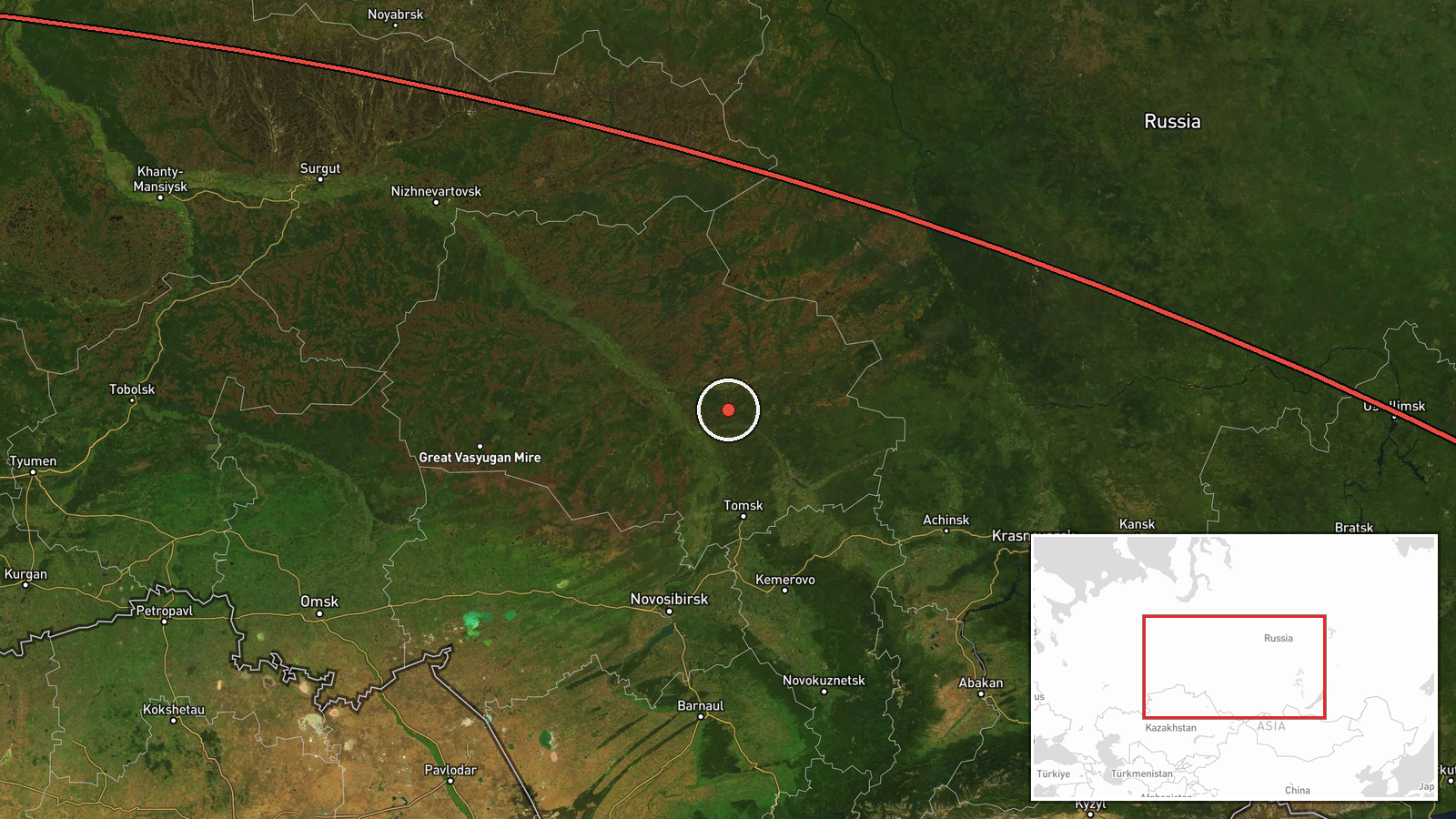
Oleniya air base is located in Arkhangelsk Oblast in northwestern Russia, approximately 64.97°N, 40.61°E. The base sits in the subarctic zone near the White Sea coast. Ukrainka air base (origin point) is located in Amur Oblast in Russia's Far East, thousands of kilometers distant. Precise coordinates for Oleniya carry low confidence due to the remote location and limited public geographic data.
▶ View this event on the live map
Intel Mapper aggregates open-source reports from monitored Telegram and X channels, geolocates them, cross-checks duplicates across sources and assigns a confidence score. Entries are updated as new confirmations arrive. Read how we verify events.