Russian Shahed drones detected transiting from Kursk toward Sumy Oblast
What happened
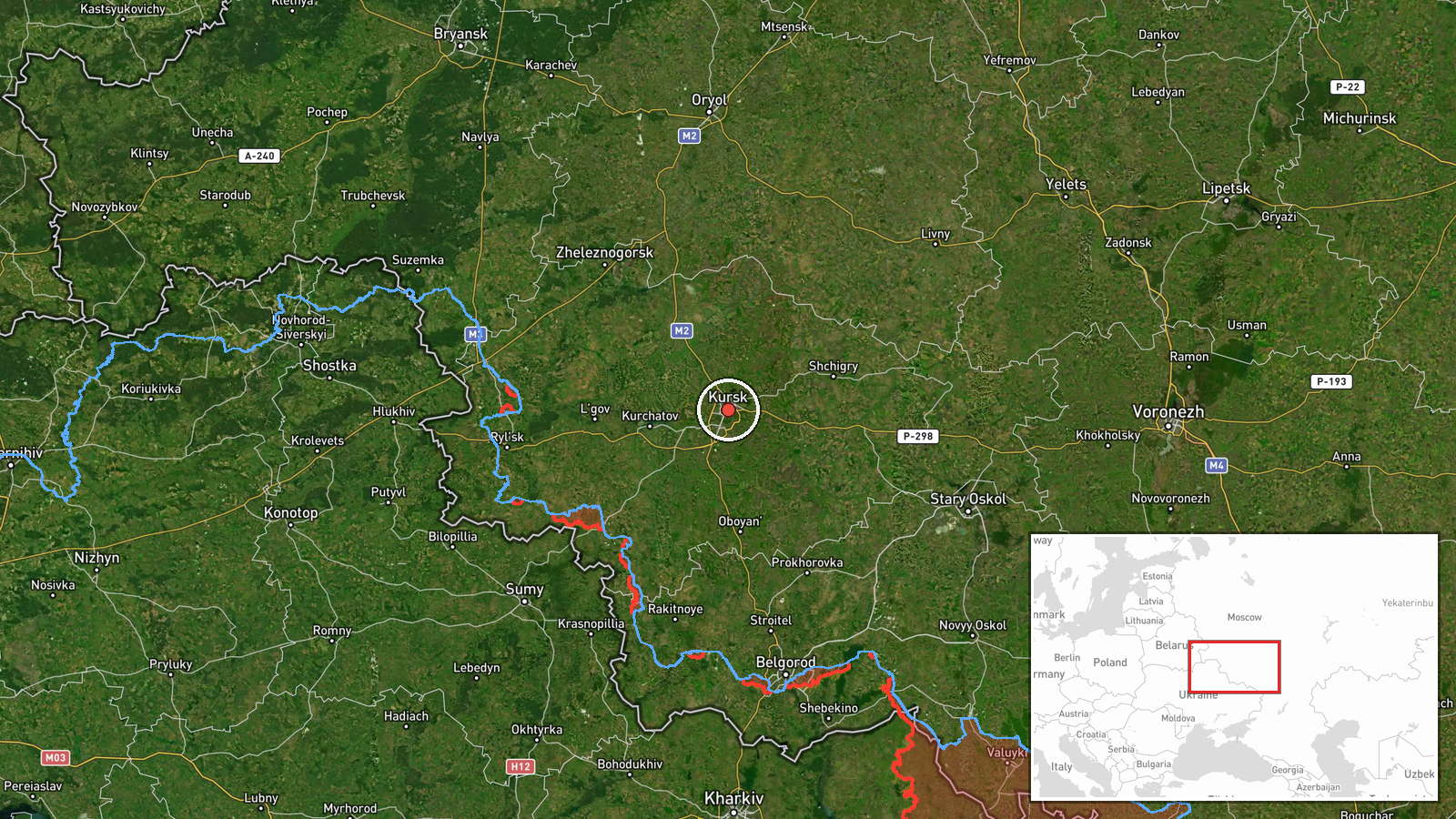
Ukrainian air-raid monitoring systems reported detecting Russian jet-powered Shahed-136 drones in transit from Kursk Oblast across the border into Ukrainian airspace above Sumy Oblast on September 8 at 00:31 UTC. The report, issued via Telegram channel @war_monitor, indicates multiple drone units were tracked during the crossing. The drones represent Russia's continued use of unmanned systems for strikes deep into Ukrainian territory.
Context and assessment
Sumy Oblast, in northeastern Ukraine, has faced persistent drone and missile pressure from Russian forces operating from nearby Kursk Oblast. This transit follows a pattern of sustained nighttime attacks: Ukrainian air defenses reported intercepting 71 drones from a larger Russian barrage of 92 Shahed-type systems the previous night. Related reports from September 7 indicate simultaneous threats from ballistic missiles and fighter aircraft activity in the Kursk region, suggesting a coordinated pressure campaign. The concentration of launch activity from Kursk suggests Russia maintains staging areas and launch infrastructure there despite ongoing operations along the front.
Sources and confidence
Report sourced solely from Telegram channel @war_monitor, which monitors Ukrainian air-raid alerts. Single-source reporting reduces confidence to 6.0/10. Cross-confirmation from official Ukrainian air defense statements or additional independent channels would strengthen assessment. Confidence is supported by the channel's consistent reporting pattern and alignment with documented Shahed drone transit tactics observed in recent weeks.
Location
Transit originated in Kursk Oblast, Russia (coordinates 51.73°N, 36.19°E), a region approximately 100 km northwest of the Ukrainian border. Drones were tracked crossing into Sumy Oblast, Ukraine's northeastern frontier region. Kursk Oblast has served as a consistent launch point for Russian long-range strikes, positioned to reach targets across northeastern and central Ukraine.
▶ View this event on the live map
Intel Mapper aggregates open-source reports from monitored Telegram and X channels, geolocates them, cross-checks duplicates across sources and assigns a confidence score. Entries are updated as new confirmations arrive. Read how we verify events.