Russia maintains low-intensity drone strikes across Ukraine; ballistic threat rises overnight
What happened
A Ukrainian air threat assessment for the night of September 11 reports Russian strategic aviation inactive, with low Shahed-136 drone activity. Single kamikaze drones struck Kyiv, Zhytomyr, Sumy, and Kharkiv regions during the assessment period. Ukrainian monitoring indicated medium-level ballistic missile threat expected to continue overnight, with additional drone launches forecast from Donetsk and Orel. The assessment was issued via Telegram by a military monitoring channel.
Context and assessment
The reported strikes follow a pattern of sustained Russian drone operations across northern and eastern Ukraine documented throughout September 10. Earlier that day, transit detections of Shahed-136 drones over Kyiv Oblast, including clusters near Vasylkiv and Baryshivka, preceded air defense activations in Kyiv and surrounding regions. The shift toward medium ballistic threat assessment suggests a potential escalation in cruise missile or ballistic strikes alongside the ongoing kamikaze drone campaign. Russian strikes on these four regions indicate continued targeting of Ukrainian civilian and military infrastructure across dispersed geographic zones, consistent with attrition-focused operations.
Sources and confidence
Single source: Telegram channel @war_monitor. No cross-confirmation from other OSINT channels or official Ukrainian sources cited. Confidence score of 6.0 reflects reliability of the channel but lack of independent verification. Would be raised by corroborating reports from multiple monitoring channels or official Ukrainian air force statements; would be lowered if subsequent reporting contradicts the threat assessment.
Location
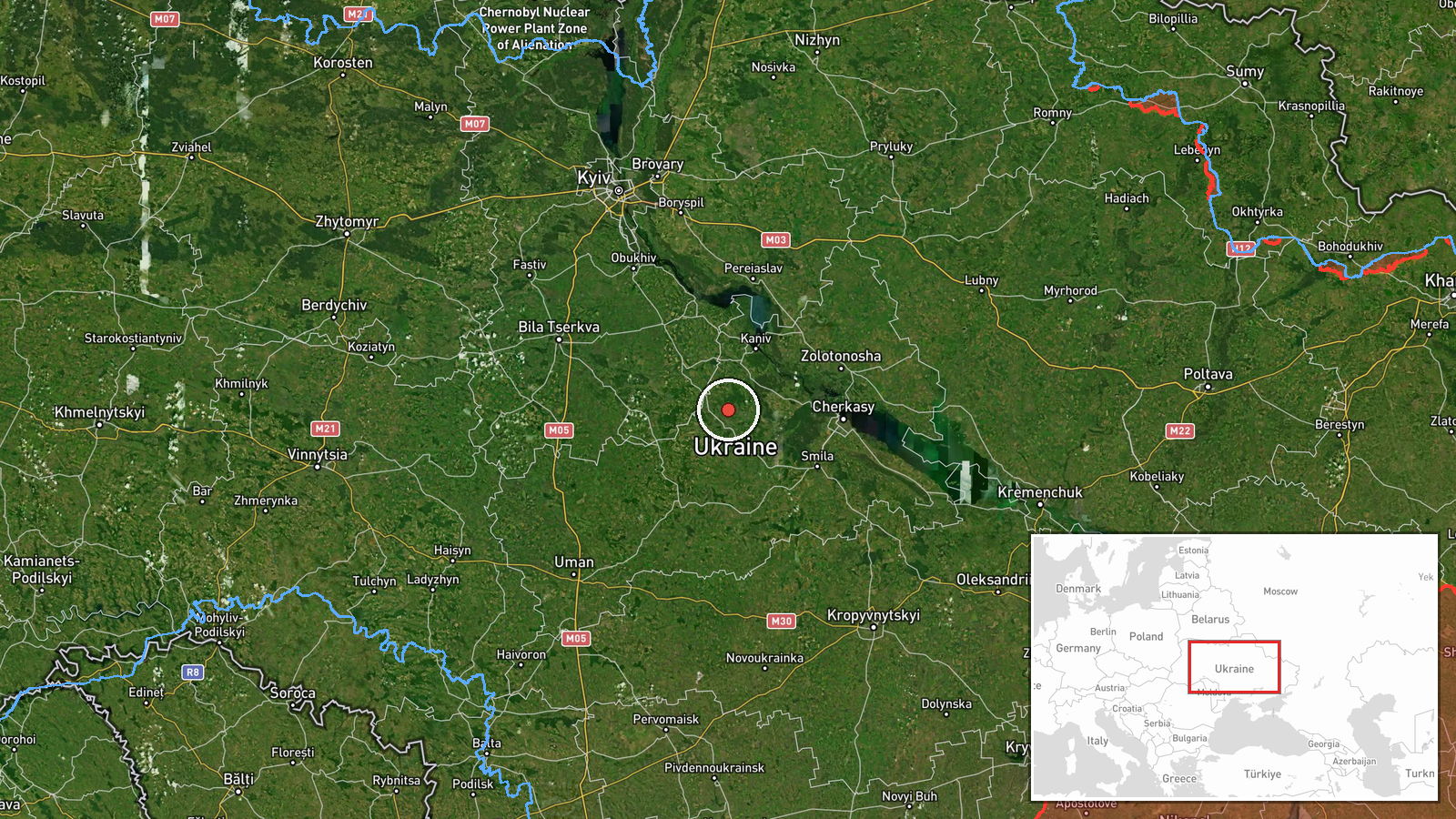
Ukraine-wide assessment covering four regions: Kyiv, Zhytomyr, Sumy, and Kharkiv. Launch origins cited as Donetsk Oblast and Orel (in western Russia). Shahed-136 transits documented over central Kyiv Oblast on September 10, with interception attempts by Ukrainian air defense near the capital and surrounding districts.
Related events nearby
- Three reactive (jet-powered) Shahed-136 kamikaze drones detected in transit past Cherkasy heading toward Kyiv 2026-09-10 05:41 UTC · Drone Transit · Cherkasy, Cherkasy Oblast, Ukraine
- One reactive (jet-powered) Shahed-136 kamikaze drone struck Makariv, Kyiv Oblast.2026-09-10 05:25 UTC · UAS Strike · Hnidin, Kyiv Oblast, Ukraine
- Russian Shahed-136 kamikaze drones detected transiting Kyiv Oblast. Confirmed sightings: 1x near Koncha-Zaspa,2026-09-10 05:52 UTC · Drone Transit · Vasylkiv, Kyiv Oblast, Ukraine
- Ukrainian air defense system activated and defensive posture maintained in Kyiv region. Air raid alert issued 2026-09-10 18:25 UTC · Siren · Kyiv, Kyiv Oblast, Ukraine
- Ukrainian air defense monitoring detected one Russian Shahed-136 jet-powered kamikaze drone transiting over Ob2026-09-10 15:33 UTC · Drone Transit · Obolonsky District, Kyiv, Ukraine
▶ View this event on the live map
Intel Mapper aggregates open-source reports from monitored Telegram and X channels, geolocates them, cross-checks duplicates across sources and assigns a confidence score. Entries are updated as new confirmations arrive. Read how we verify events.