Russian tactical aircraft deployed to launch positions over Crimea for probable guided missile strikes
What happened
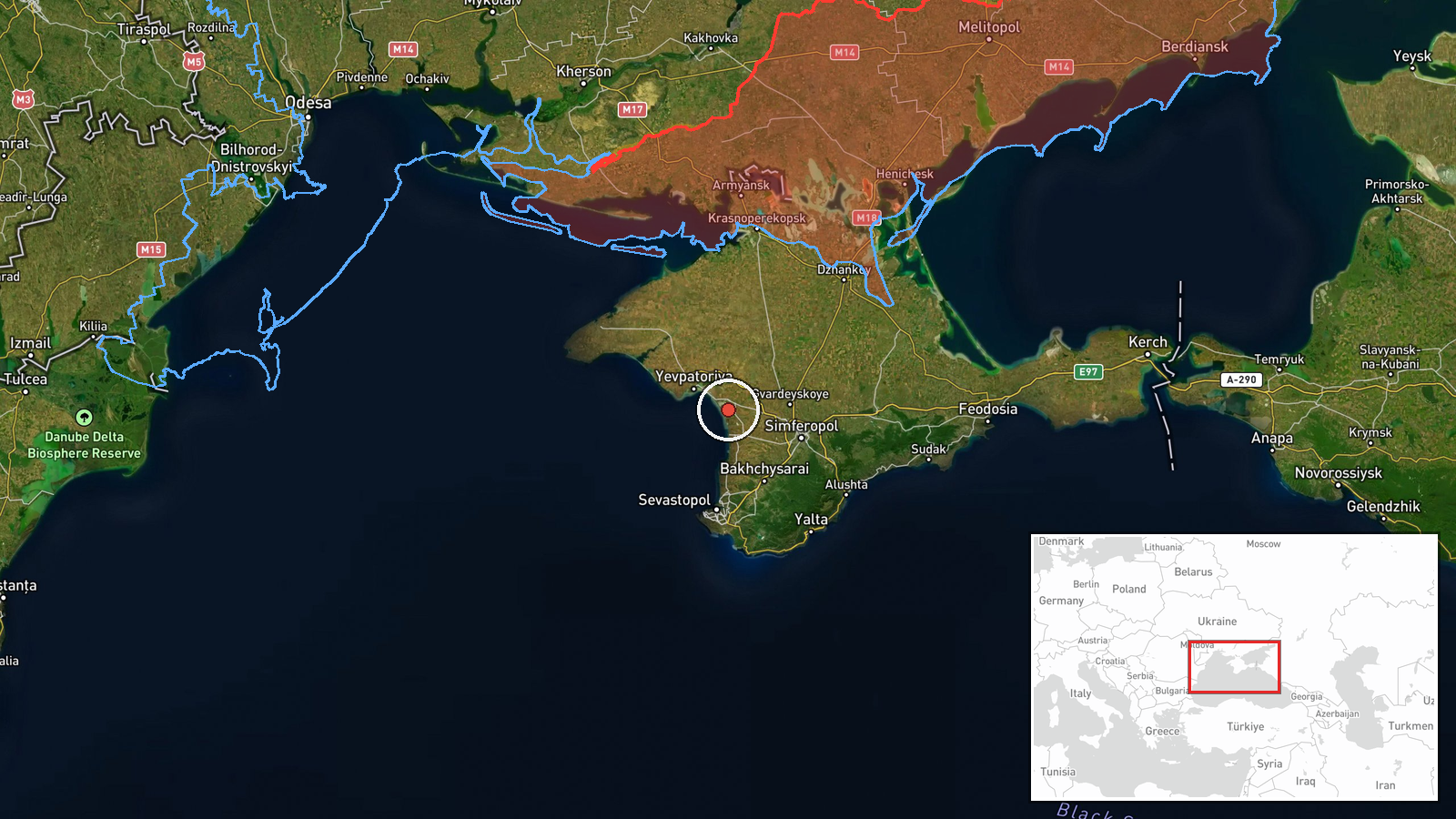
Russian tactical aviation aircraft moved to launch positions over Crimea on September 15 for probable deployment of guided air-to-surface missiles and guided bombs, according to a Telegram alert from @war_monitor. Ukrainian air defense authorities issued threat warnings for Odesa and Mykolaiv Oblasts in response to the reported positioning, indicating expectation of strikes against targets in southern Ukraine.
Context and assessment
Saky Air Base in central Crimea has served as a staging area for Russian aviation strikes against Ukrainian positions and civilian infrastructure in the southern operational zone throughout the conflict. The threatened regions—Odesa and Mykolaiv—lie along Ukraine's Black Sea coast and have been repeatedly targeted by Russian air and naval assets. This positioning follows a reported Ukrainian naval strike on a Russian patrol vessel in Sevastopol's Kozach Bay on September 14, part of an ongoing pattern of reciprocal strikes in the maritime domain. The deployment may reflect Russian response doctrine or routine operational rotation, though the specific threat window suggests imminent strike planning.
Sources and confidence
Reported by Telegram channel @war_monitor on September 15. Single-source reporting limits independent verification; no cross-confirmation from other channels or Ukrainian official sources noted in available data. Confidence score of 6.0 reflects the alert's specificity and source credibility, though lack of multiple independent sources and absence of subsequent strike confirmation prevents higher confidence. Confirmation of actual strikes or damage would substantially increase confidence.
Location
Saky Air Base, located in central Crimea approximately 50 kilometers north of Sevastopol. The base sits on the Crimean peninsula's interior plateau, historically a primary Russian air operations hub. Threat warnings extended to Odesa and Mykolaiv Oblasts, coastal regions 300+ kilometers northwest across the Black Sea.
Related events nearby
- Ukrainian forces struck and damaged a Russian Mangust-class (Project 12150) high-speed patrol boat in Kozach B2026-09-14 15:23 UTC · Naval · Kozach Bay (Kazachya Bukhta), Sevastopol, Crimea
▶ View this event on the live map
Intel Mapper aggregates open-source reports from monitored Telegram and X channels, geolocates them, cross-checks duplicates across sources and assigns a confidence score. Entries are updated as new confirmations arrive. Read how we verify events.