Three Russian jet-powered Shahed drones transit toward Vasylkiv in Kyiv Oblast
What happened
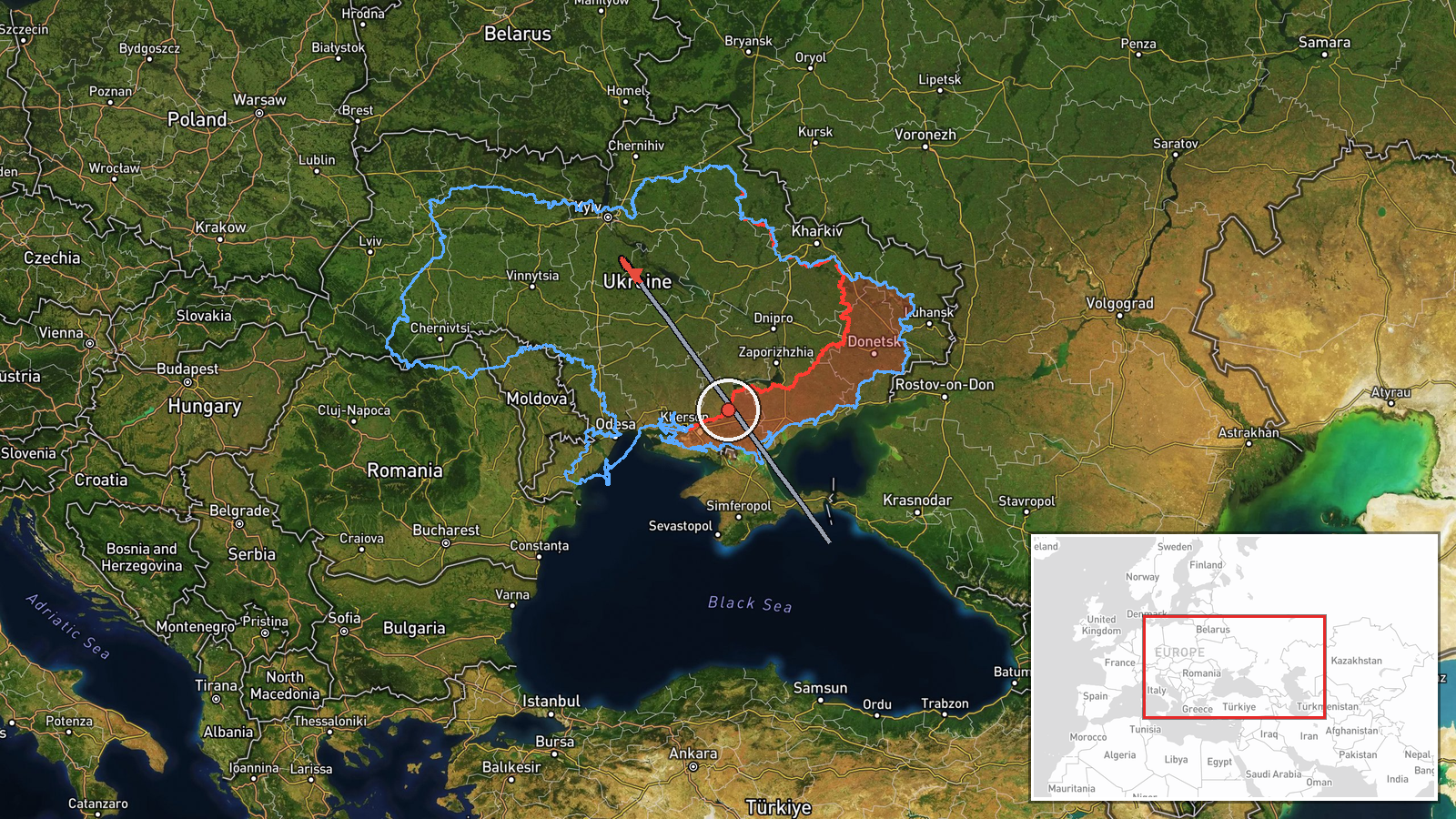
Ukrainian air defense monitoring detected three Russian reactive Shahed-variant drones transiting past Kagarlyk toward Vasylkiv in Kyiv Oblast on September 15 at 02:25 UTC. The alert was issued by @war_monitor on Telegram. The drones were reportedly jet-powered variants of the Shahed family, suggesting potential for deeper penetration or sustained flight compared to earlier models. No immediate strike report followed the transit alert.
Context and assessment
Vasylkiv lies approximately 50 kilometers south of central Kyiv and hosts critical Soviet-era energy infrastructure. The detection continues an established pattern of Russian drone operations across Kyiv Oblast, with a similar transit near Bila Tserkva recorded the previous day. Ukrainian leadership has recently proposed conditional de-escalation contingent on Russian suspension of strikes against energy and transport networks, suggesting sustained pressure on these sectors remains a strategic concern. Ukrainian military statements on September 14 noted accelerated development of new drone interceptors specifically designed to counter jet-powered Shahed variants, indicating these platforms present a particular operational challenge.
Sources and confidence
Reported by single Telegram channel @war_monitor with no cross-confirmation noted in available data. Confidence score of 6.0 reflects isolated source status. Confirmation by Ukrainian official military statements or multiple independent monitoring channels would strengthen confidence. Lack of follow-up strike reports does not clarify whether the drones were intercepted or reached intended targets.
Location
Vasylkiv is a city in Kyiv Oblast approximately 50 kilometers south-southwest of Kyiv city center (50.18°N, 30.32°E). The transit originated from Kagarlyk, roughly 30 kilometers further south. The area contains major Soviet-era thermal power plants and petroleum facilities, making it a consistent focus of Russian strike operations.
Related events nearby
- President Zelensky conditionally proposes mutual de-escalation: if US partners ensure Russia genuinely halts s2026-09-14 18:46 UTC · Statement · Kyiv, Ukraine
- President Zelensky conditionally proposes mutual restraint: if Russia halts strikes on Ukrainian energy infras2026-09-14 16:16 UTC · Statement · Kyiv, Ukraine
- Ukrainian General Staff reports progress on developing new-generation drone interceptors to counter Russian je2026-09-14 13:26 UTC · Statement · Kyiv, Ukraine
- Commander-in-Chief of Ukrainian Armed Forces Mikhaylo Drapaty commemorates Tank Forces Day. He emphasizes the 2026-09-14 04:31 UTC · Statement · Kyiv, Ukraine
- One Russian reactive (jet-powered) Shahed-variant drone detected transiting toward Podil District, Kyiv. Ukrai2026-09-15 02:41 UTC · Drone Transit · Podil District, Kyiv, Ukraine
▶ View this event on the live map
Intel Mapper aggregates open-source reports from monitored Telegram and X channels, geolocates them, cross-checks duplicates across sources and assigns a confidence score. Entries are updated as new confirmations arrive. Read how we verify events.