Russian guided bombs reported targeting Odesa District in ongoing air campaign
What happened
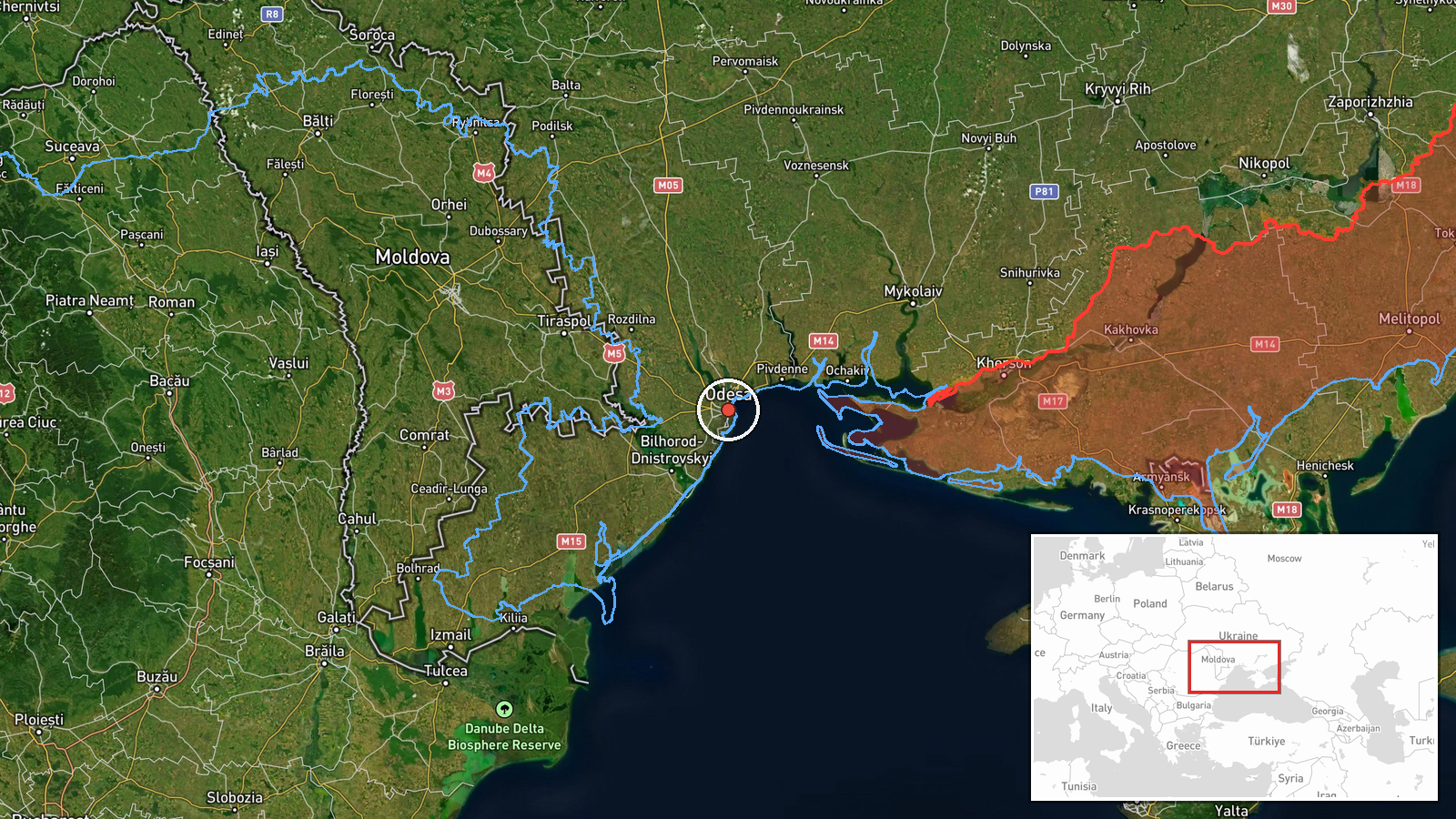
Russian forces reportedly launched UMPC-5 guided munitions (also known as gliding bomb kits) toward Odesa District in southern Ukraine on September 16 at 21:26 UTC. The UMPC-5 is a precision-guided bomb kit that converts conventional ordnance into standoff weapons, typically delivered by aircraft. The report comes from a single Telegram source specializing in conflict monitoring. No immediate damage or casualty reports are available from the strike itself.
Context and assessment
Odesa Oblast remains a persistent Russian target due to its strategic location on the Black Sea coast and role as Ukraine's primary maritime trade hub. This strike follows a pattern of sustained Russian air operations against the region, with a reactive Shahed kamikaze drone reported transiting toward Odesa city center earlier the same day. Russian precision munition attacks on Odesa have intensified since early 2022, targeting both military infrastructure and civilian areas. The use of guided bomb kits like the UMPC-5 allows Russia to conduct standoff strikes from aircraft operating over controlled airspace, reducing pilot exposure while maintaining accuracy against fixed targets.
Sources and confidence
Single-source report from Telegram channel @war_monitor, a dedicated conflict monitoring account. No cross-confirmation from Ukrainian official sources or independent outlets has been noted. Confidence score of 6.0 reflects the specialized nature of the source but lack of corroboration. Confirmation from Ukrainian air defense or official statements would strengthen confidence; retraction by the source or contradictory reports would lower it.
Location
Odesa District in Odesa Oblast, southern Ukraine, determined by regional designation in the report rather than a specific facility or settlement. Located approximately 470 kilometers southwest of Kyiv on the Black Sea coast. The district encompasses agricultural and industrial areas surrounding Odesa city proper.
Related events nearby
- One Russian reactive (jet-powered) Shahed-variant kamikaze drone transiting toward Odesa city center. Air raid2026-09-16 15:16 UTC · Drone Transit · Odesa, Odesa Oblast, Ukraine
▶ View this event on the live map
Intel Mapper aggregates open-source reports from monitored Telegram and X channels, geolocates them, cross-checks duplicates across sources and assigns a confidence score. Entries are updated as new confirmations arrive. Read how we verify events.