15 Russian Shahed drones tracked transiting toward Poltava Oblast
What happened
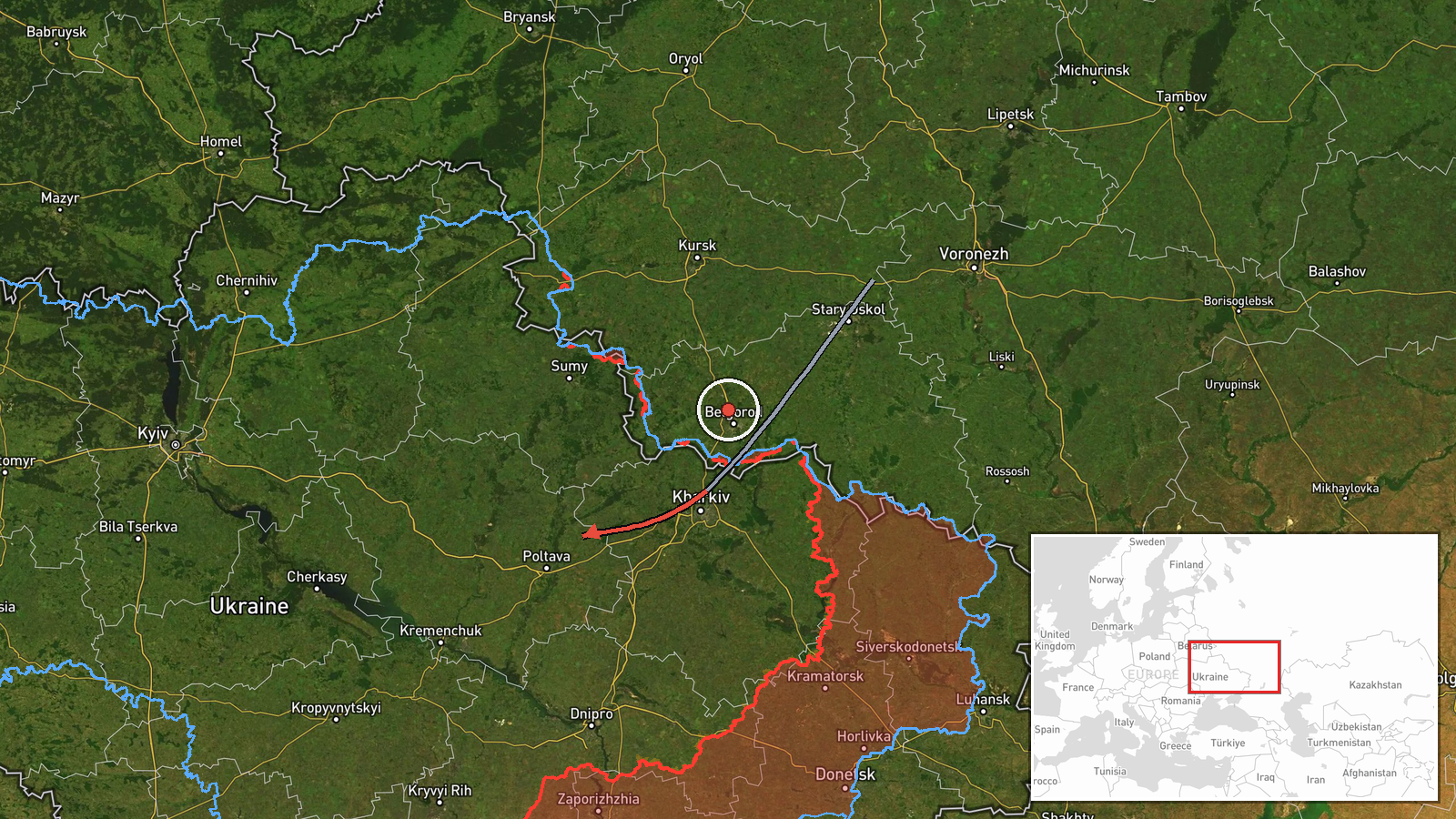
Ukrainian air monitoring reported detecting 15 Russian reactive-engine unmanned aerial vehicles of the Shahed variant on 24 September at 00:13 UTC. The drones were tracked transiting eastward across Kharkiv Oblast through the settlements of Prolisne, Zmiyiv, and Nova Vodolaga, heading toward Poltava Oblast. The report was published by the Telegram channel @war_monitor, which monitors Ukrainian air defenses and official alerts.
Context and assessment
Poltava Oblast, located in central-eastern Ukraine, has become an increasingly contested area for drone operations. Russian long-range attack UAVs have regularly targeted infrastructure and military positions across the region in recent months. This transit event follows a similar detection over neighboring Dnipropetrovsk Oblast on 23 September, suggesting a pattern of sustained drone activity along the eastern corridor. The eastward routing through multiple settlements indicates either a layered approach to air defenses or targeting of objectives deeper within Ukrainian-held territory. Such transits typically precede strikes on infrastructure, logistics nodes, or military facilities.
Sources and confidence
Report sourced solely from Telegram channel @war_monitor, a publicly available Ukrainian air defense monitoring account. No cross-confirmation from official Ukrainian military or SBU sources is noted in available data. Confidence score of 6.0 reflects single-source reporting; the account has a track record of accurate air defense tracking but lacks official institutional verification. Confirmation by independent sources or official Ukrainian statements would strengthen confidence.
Location
The route spans Kharkiv and Poltava oblasts in eastern Ukraine. Prolisne, Zmiyiv, and Nova Vodolaga are settlements in Kharkiv Oblast; the drones' heading directed them toward Poltava Oblast proper. The region lies roughly 80–120 kilometers east of Ukrainian-held Kharkiv city, in relatively flat agricultural terrain interspersed with industrial and transport infrastructure.
Related events nearby
- Russian Shahed-type (reactive) drone detected transiting over Dnipropetrovsk Oblast at low altitude. Air raid 2026-09-23 11:27 UTC · Siren · Dnipropetrovsk Oblast, Ukraine
▶ View this event on the live map
Intel Mapper aggregates open-source reports from monitored Telegram and X channels, geolocates them, cross-checks duplicates across sources and assigns a confidence score. Entries are updated as new confirmations arrive. Read how we verify events.